Found Silverfish in Your Home? Here’s What It May Be Telling You
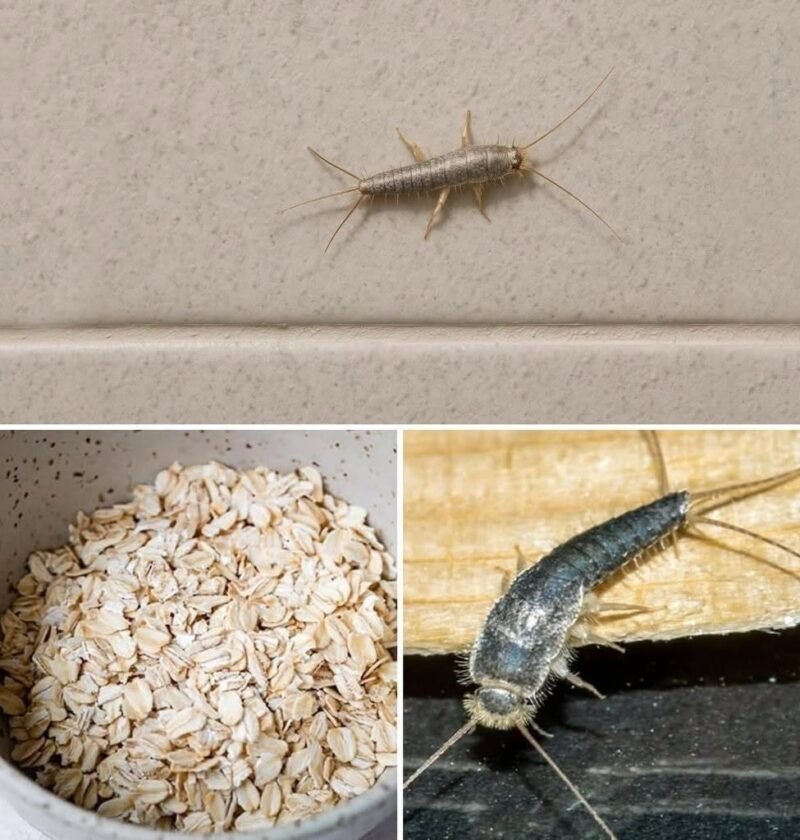
Silverfish are those small, silvery, fast-moving insects that sometimes appear in bathrooms, basements, closets, and other dark areas.
Finding one doesn’t necessarily mean your home is dirty. But seeing them regularly can be a useful clue about the conditions inside your home.
💧 1. Check for Excess Moisture
Silverfish prefer humid environments.
Look around sinks, bathrooms, basements, laundry areas, and plumbing fixtures for:
- Leaking pipes
- Damp walls or floors
- Condensation
- Poor ventilation
- Persistent humidity
Fixing moisture problems is one of the most useful steps you can take.
🌬️ 2. Improve Ventilation
Use bathroom exhaust fans and improve airflow in damp areas.
If your home is consistently humid, a dehumidifier can help reduce moisture.
📦 3. Reduce Their Hiding Places
Silverfish can hide in cracks, gaps, clutter, cardboard boxes, and other undisturbed areas.
Store paper goods and fabrics in dry, sealed containers and reduce unnecessary clutter.
🧹 4. Clean Up Food Sources
Silverfish can feed on materials containing starches and carbohydrates, including some paper products, glue, and other household materials.
Keep food sealed and clean up crumbs and spills.
🪟 5. Seal Entry Points
Check around windows, doors, baseboards, and pipes for cracks or gaps. Sealing potential entry points can make it harder for insects to get inside.
When Should You Be Concerned?
Seeing an occasional silverfish isn’t usually an emergency. However, large numbers or repeated sightings can indicate a persistent moisture or pest problem worth addressing.
Silverfish are generally not considered dangerous to people, but they can damage paper, books, wallpaper, fabrics, and other materials.
Bottom line: If you find silverfish, don’t panic. Instead, check your home for excess moisture, improve ventilation, reduce hiding places, and seal gaps. If the infestation persists despite these measures, consider contacting a pest-control professional.