-
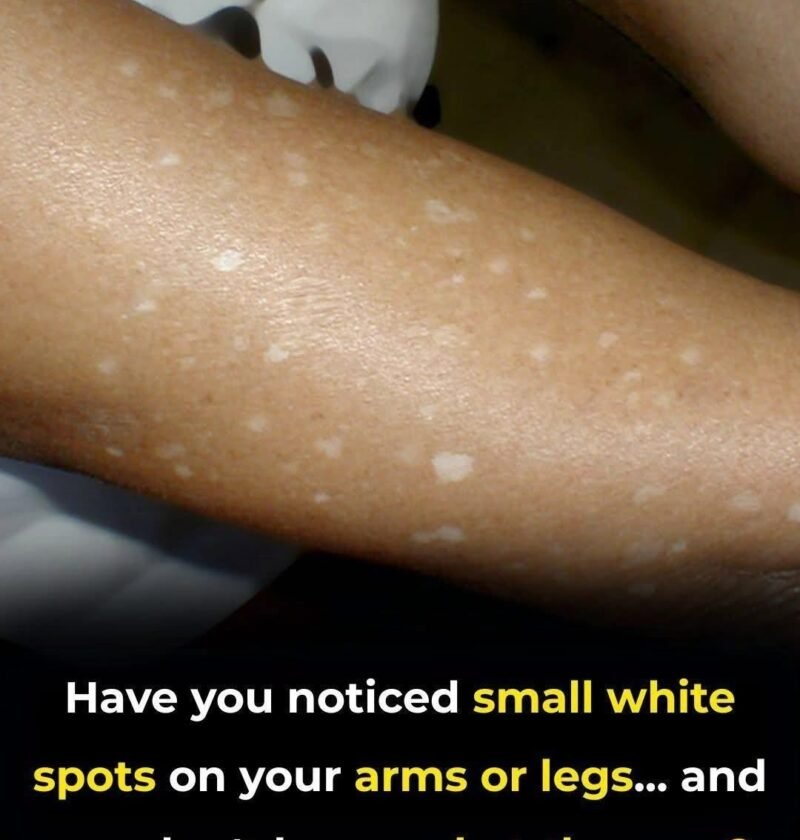
Yes—small white or pale spots on the arms or legs can have several causes, and the appearance alone usually isn’t enough to identify them.
Common possibilities
- Vitiligo: Loss of skin pigment can produce sharply defined pale or completely white patches. It often affects the hands, arms, feet, face, or areas around body openings and can gradually spread.
- Tinea (pityriasis) versicolor: A common yeast-related skin condition that can produce lighter patches, sometimes with fine scaling or mild itching. It’s particularly common in warm, humid conditions and may become more noticeable after tanning.
- Post-inflammatory hypopigmentation: Skin can temporarily become lighter after eczema, a rash, insect bite, injury, or other inflammation. The color may gradually return as the skin recovers.
- Other pigment conditions: Several less common skin disorders can also cause pale spots, so it’s best not to assume every white spot is vitiligo or a fungal infection.
When to have it checked
If the spots are new, increasing in number or size, becoming completely white, developing on both sides of the body, or not improving over several weeks, a doctor or dermatologist can examine them and, when appropriate, use a Wood’s lamp to help distinguish conditions such as vitiligo from tinea versicolor.
Until you know the cause, avoid harsh bleaching or “home remedies.” If the areas have lost pigment, protect them from the sun because depigmented skin burns more easily.
If you describe what the spots look like (size, smooth or scaly, itchy or not, and exactly where they appear), I can help you work through the most likely possibilities.
ChatGPT is AI and can make mistakes.