8 Medicines That Can Harm the Kidneys — and What to Know
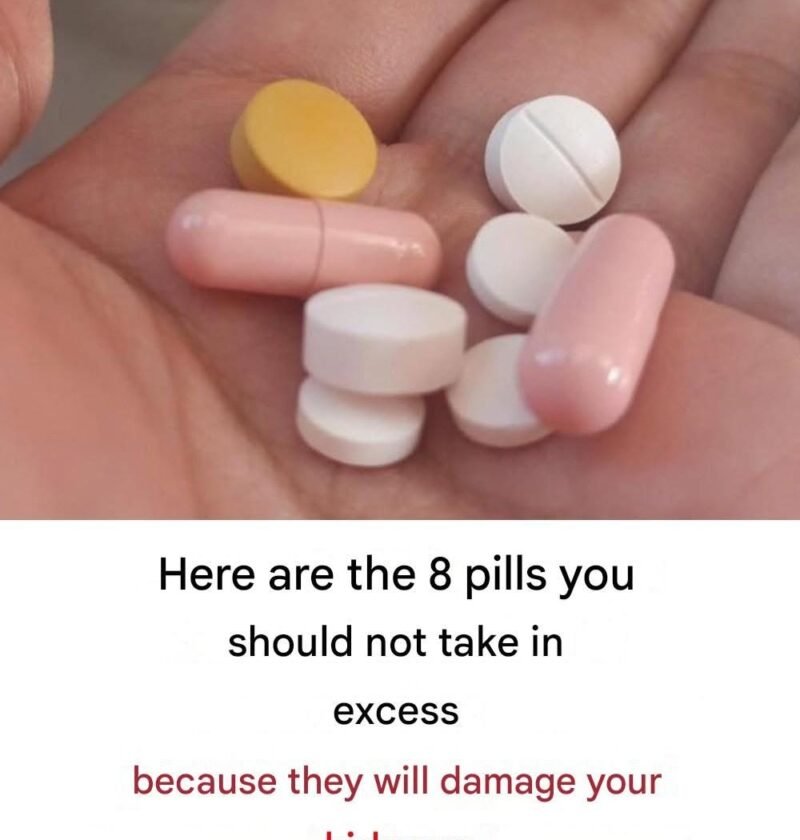
The headline “eight pills you shouldn’t take” is misleading. Many medicines on lists like this are useful and safe for many people when taken correctly. The risk depends on the drug, dose, duration, kidney function, hydration, and other medicines you’re taking.
Common medication groups that can cause or contribute to kidney injury include:
NSAID painkillers — ibuprofen, naproxen, and similar drugs can reduce blood flow to the kidneys, particularly with dehydration, older age, or existing kidney disease.
Certain antibiotics — some, including aminoglycosides, can be directly toxic to the kidneys.
Some antiviral medicines — certain antivirals can affect kidney function, depending on the drug and circumstances.
Some blood-pressure medicines — ACE inhibitors and ARBs can change kidney function and potassium levels. They’re often beneficial for the kidneys in the long term, but require monitoring in some patients.
Diuretics (“water pills”) — can contribute to kidney problems if they cause excessive dehydration or electrolyte disturbances.
Certain acid-reducing medicines — prolonged use of some proton-pump inhibitors has been associated with kidney problems, although this doesn’t mean everyone taking them will develop kidney disease.
Lithium — long-term use can affect kidney function and requires regular monitoring.
Some chemotherapy and immunosuppressive medicines — certain drugs in these categories can be nephrotoxic and require careful monitoring.
⚠️ Don’t stop prescribed medication because of a headline
If you have kidney disease, are over 60, are dehydrated, or take several medications, it’s particularly important to have your medicines reviewed by a doctor or pharmacist.
And avoid taking extra OTC painkillers or herbal supplements simply because they’re “natural” or available without a prescription—some can also damage the kidneys.
If you give me the eight specific pills named in the article, I can go through them one by one and tell you which claims are accurate and which are exaggerated.