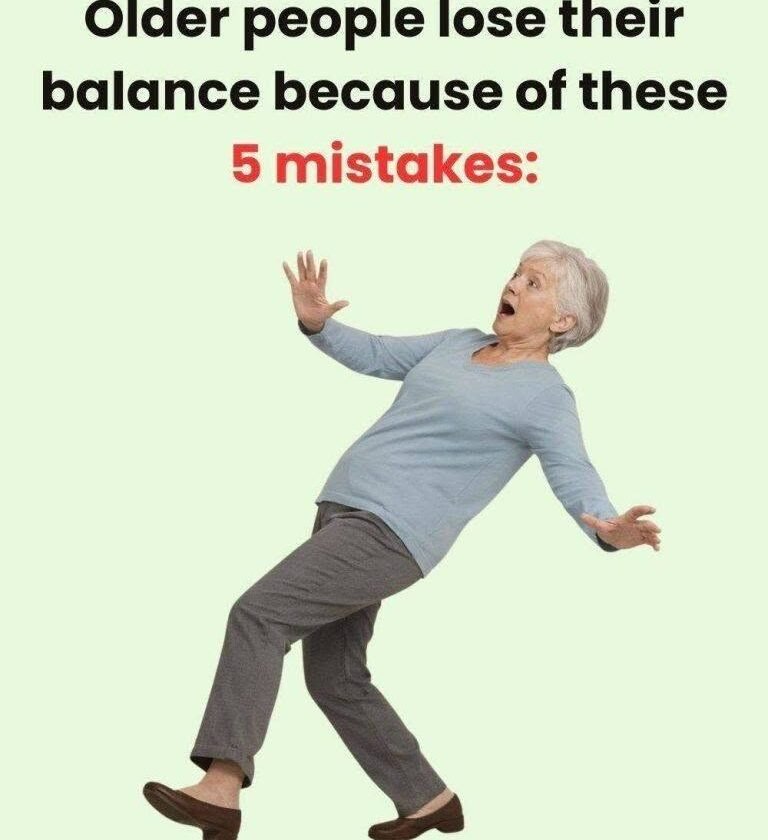
Common Mistakes That Can Affect Balance in Older Adults
Balance often changes with age, but some everyday habits can increase the risk of unsteadiness and falls. The good news is that many risk factors can be addressed.
🚶 1. Staying too inactive
Avoiding movement because of fear of falling can gradually reduce strength and balance. Safe walking and balance exercises can help maintain mobility.
👟 2. Wearing unsafe footwear
Loose slippers, high heels, or shoes with worn-out soles can make falls more likely. Choose well-fitting shoes with good support and non-slip soles.
💊 3. Ignoring medication side effects
Some medicines can cause dizziness, drowsiness, or low blood pressure. Don’t stop prescribed medication yourself—ask a doctor or pharmacist to review your medications if balance has changed.
👀 4. Not addressing vision problems
Poor vision can make obstacles and changes in flooring harder to detect. Regular eye examinations are particularly important.
🏠 5. Leaving trip hazards around the home
Loose rugs, electrical cords, clutter, poor lighting, and slippery bathroom surfaces can contribute to falls. Keep walkways clear and consider grab bars or non-slip mats where appropriate.
💧 6. Becoming dehydrated
Not drinking enough fluid can contribute to dizziness in some people, particularly during hot weather or illness.
🧍 7. Getting up too quickly
Standing suddenly after sitting or lying down can cause a temporary drop in blood pressure and dizziness. Rise slowly, especially first thing in the morning.
⚠️ A change in balance shouldn’t simply be dismissed as aging
New or worsening unsteadiness can sometimes be related to inner-ear problems, neurological conditions, medication effects, vision changes, low blood pressure, or other medical issues.
If someone suddenly develops severe dizziness, difficulty walking, facial drooping, weakness, numbness, speech difficulty, or vision changes, seek emergency medical care immediately, as these can be signs of a stroke.