What the Color of Your Urine Can Tell You About Your Health
Urine color can sometimes provide clues about hydration, diet, medications, or illness—but color alone cannot diagnose a medical condition. Normal urine ranges from nearly clear to pale yellow, depending largely on how concentrated it is.
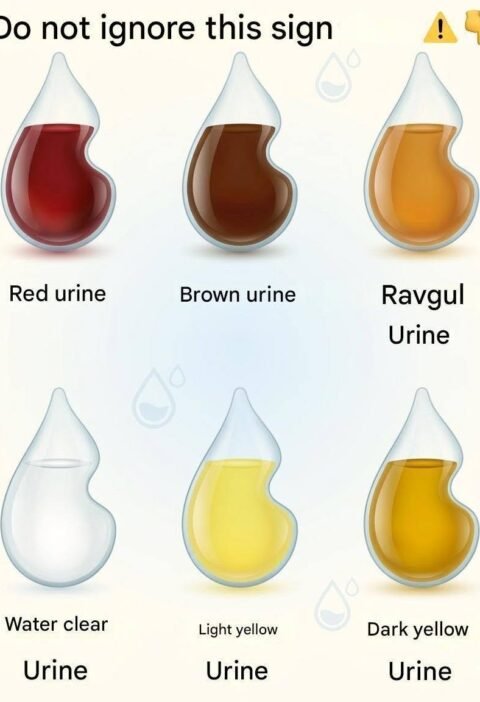
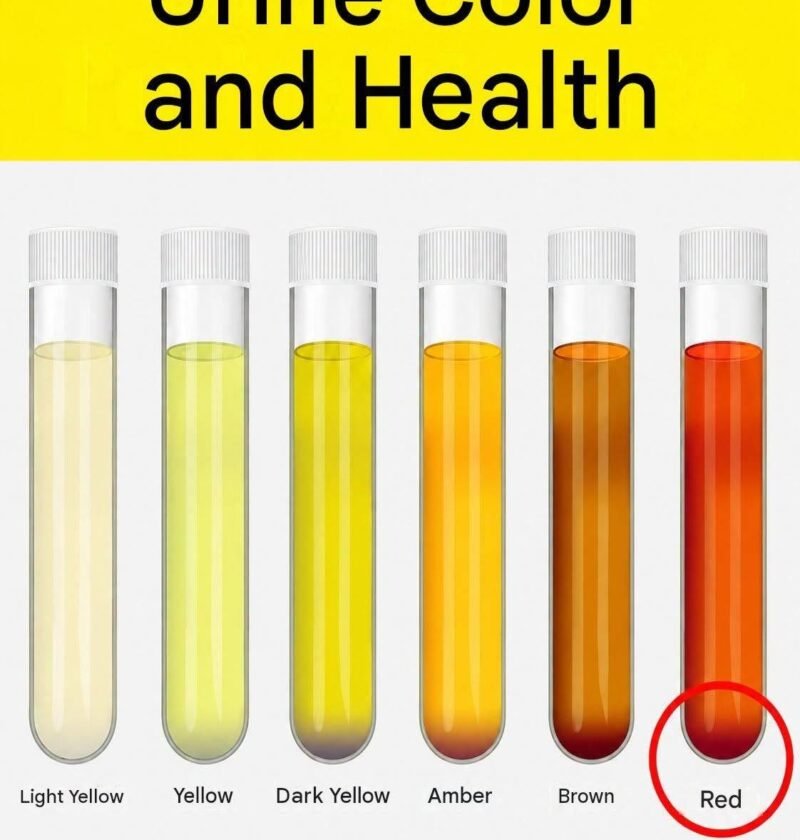
💧 Clear or almost colorless
Very clear urine often means you’re well hydrated. If it remains completely clear throughout the day, you may simply be drinking more fluid than you need. Excessive water intake can rarely cause dangerously low sodium levels.
🟡 Pale yellow
This is generally considered a typical, well-hydrated urine color. The yellow comes largely from a pigment called urochrome.
🟨 Dark yellow or amber
This commonly means your urine is concentrated, often because you’re not drinking enough fluid or have lost fluid through sweating, vomiting, diarrhea, or exercise.
🟠 Orange
Orange urine can occur with dehydration or certain medications and supplements. It can also occur when bilirubin enters the urine, which may be associated with liver or bile-duct problems, particularly if you also notice yellowing of the eyes or skin.
🩷 Pink or red
Food such as beetroot can sometimes change urine color. However, pink, red, or cola-colored urine can also indicate blood in the urine. Blood should not automatically be blamed on food—especially if the change persists or is accompanied by pain.
🟤 Brown or tea-colored
Very dark brown urine can occur with significant dehydration, certain medications, muscle injury, or liver-related problems. New unexplained brown urine deserves medical assessment.
🟢 or 🔵 Green/blue
This is uncommon. Certain medications, dyes, supplements, and occasionally infections can produce unusual colors.
☁️ Cloudy urine
Cloudiness can result from crystals, mucus, dehydration, or contamination. When accompanied by burning while urinating, frequent urination, pelvic pain, fever, or a strong unusual odor, it can be associated with a urinary-tract infection.
🚨 When to get medical help
Contact a healthcare professional if an unusual urine color persists without an obvious explanation, particularly if you also have pain, fever, jaundice, swelling, reduced urine output, or visible blood.
If urine suddenly turns red or dark brown, or you have severe flank/back pain, fever, vomiting, or feel seriously unwell, seek prompt medical attention.
Bottom line: Pale yellow is usually ordinary, while darker urine often reflects concentration. But persistent or dramatic color changes—especially when accompanied by other symptoms—shouldn’t be ignored.