10 Early Warning Signs of a Stroke Everyone Should Know
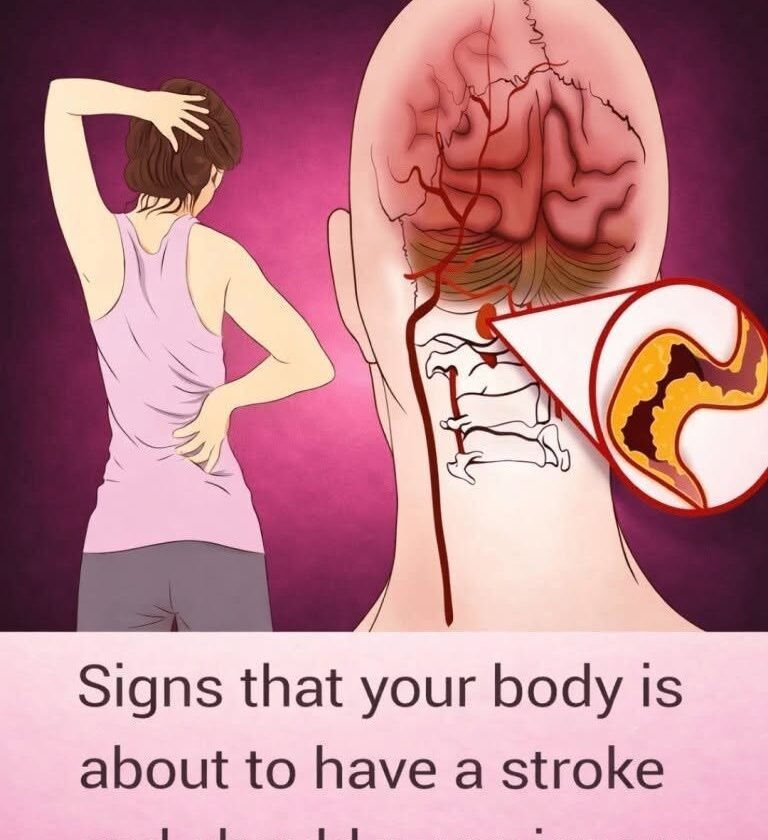
A stroke happens when blood flow to part of the brain is interrupted or when a blood vessel in the brain bleeds. Every minute matters, because prompt treatment can reduce brain damage and disability.
10 warning signs to recognize
-
Sudden weakness or numbness
Especially in the face, arm, or leg, particularly on one side of the body. -
A drooping face
One side of the face may suddenly droop or feel numb. Ask the person to smile and look for asymmetry. -
Difficulty speaking
Speech may suddenly become slurred, confused, or difficult to produce. -
Difficulty understanding speech
The person may suddenly have trouble understanding what others are saying. -
Sudden vision problems
This can include blurred or double vision or sudden loss of vision in one or both eyes. -
Sudden difficulty walking
A person may suddenly become unsteady, dizzy, or unable to coordinate their movements normally. -
Loss of balance or coordination
Sudden problems with coordination can be a stroke warning sign. -
A sudden, severe headache
An abrupt, unusually intense headache—particularly when accompanied by other neurological symptoms—can be a sign of a serious brain problem, including certain types of stroke. -
Sudden confusion
New difficulty thinking clearly, understanding what is happening, or responding appropriately can occur. -
Sudden difficulty swallowing
Trouble swallowing can occur with some strokes and can increase the risk of choking.
🚨 Remember FAST
A simple way to recognize many strokes is FAST:
-
F — Face: Is one side drooping?
-
A — Arms: Can the person raise both arms normally?
-
S — Speech: Is speech slurred or unusual?
-
T — Time: If these symptoms appear suddenly, seek emergency medical help immediately.
Don’t wait to see whether the symptoms disappear. Even if symptoms improve or completely resolve, they may represent a transient ischemic attack (TIA), which requires urgent medical evaluation.
If someone is experiencing possible stroke symptoms right now, contact your local emergency medical service immediately and note the time the symptoms began (or the last time the person was known to be well).