Sarcopenia: Causes of Muscle Loss and What Helps
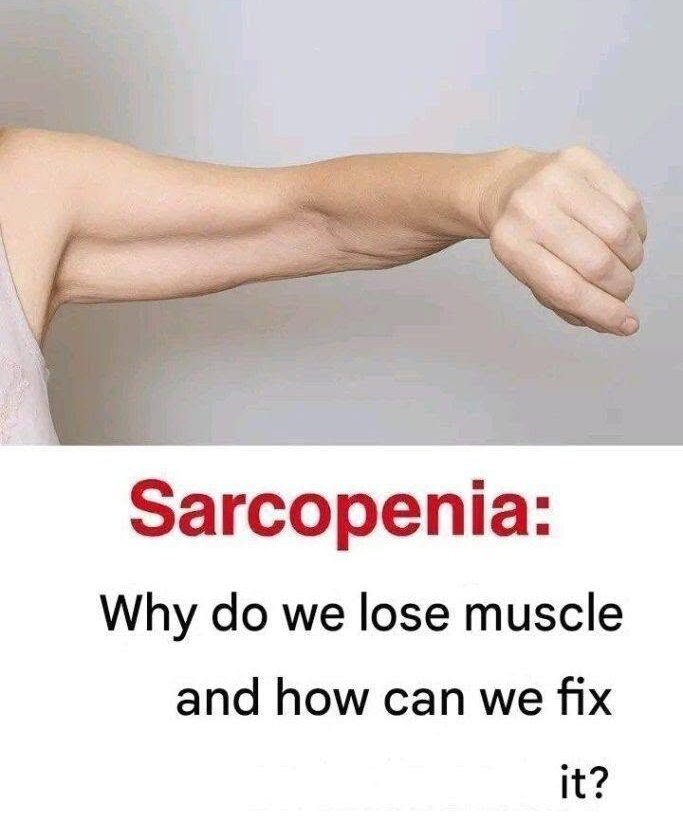
Sarcopenia is the age-related loss of skeletal muscle mass, strength, and physical performance. It becomes more common with aging, but significant muscle loss isn’t something you simply have to accept.
Common causes and contributors
-
Aging: Muscle-building responses become less efficient with age.
-
Physical inactivity: Less resistance and weight-bearing activity accelerates muscle loss.
-
Insufficient protein or overall nutrition: Not consuming enough protein, calories, or key nutrients can make maintaining muscle harder.
-
Chronic illness: Conditions affecting the heart, lungs, kidneys, liver, or metabolism can contribute to muscle loss.
-
Inflammation: Persistent inflammation associated with some diseases can promote muscle breakdown.
-
Hormonal changes: Age-related changes in hormones can influence muscle maintenance.
-
Prolonged bed rest or hospitalization: Even relatively short periods of inactivity can cause substantial muscle loss in older adults.
What can help preserve or rebuild muscle?
1. Do resistance exercise
This is one of the most effective approaches. Two or more sessions per week using exercises such as squats or sit-to-stands, resistance bands, weights, and appropriately challenging machines can improve strength and function.
If you’re new to exercise or have medical limitations, start gradually and consider guidance from a physiotherapist or qualified exercise professional.
2. Get adequate protein
Spread protein-containing foods throughout the day. Good options include eggs, fish, poultry, dairy, beans, lentils, soy, and other legumes.
Older adults may need more protein than younger adults, but the appropriate amount depends on body size, activity level, diet, and kidney health.
3. Stay physically active
Walking, climbing stairs, and other daily movement complement resistance training. Balance exercises are also valuable because they can help reduce fall risk.
4. Address underlying health problems
Unintentional weight loss, persistent weakness, or rapidly declining muscle function should be evaluated. Treating an underlying condition may be an important part of preventing further muscle loss.
5. Don’t rely on supplements alone
Protein supplements can be convenient when dietary protein is inadequate, but they don’t replace resistance training. Vitamin D or other supplements should generally be used when there is a documented need or professional recommendation.
When to seek medical advice
If you’re experiencing progressive weakness, difficulty getting out of a chair, climbing stairs, walking, or carrying everyday objects, talk with a healthcare professional. They can assess strength and physical function and look for reversible causes of muscle loss.
The key combination is simple: challenge your muscles regularly, eat enough nutritious food—especially protein—and stay active.