10 Warning Signs Your Kidneys May Be in Danger
Kidney disease can develop gradually and may cause few or no symptoms in its early stages. That’s why symptoms alone aren’t enough to determine whether your kidneys are healthy. Blood and urine tests are often needed.
Here are 10 signs that deserve attention:
-
Changes in urination — urinating much more or less than usual, especially when the change persists.
-
Foamy or unusually bubbly urine — persistent foam can sometimes indicate protein in the urine.
-
Blood in the urine — urine that looks pink, red, or cola-colored should be evaluated.
-
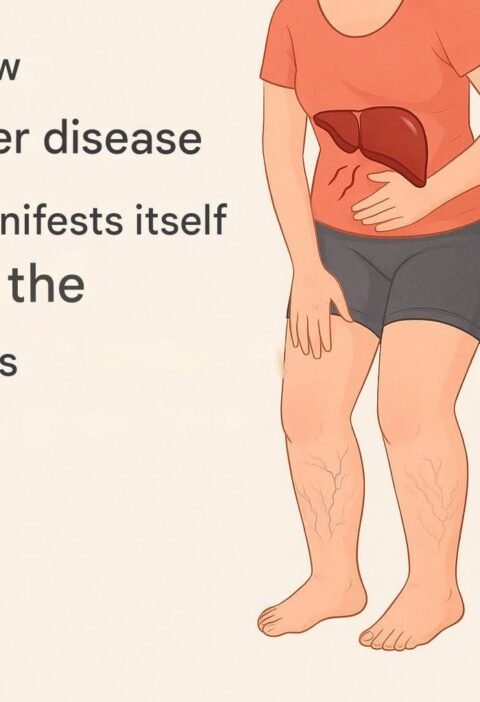
Swelling — particularly around the ankles, feet, legs, hands, or around the eyes.
-
Persistent fatigue or weakness — advanced kidney disease can contribute to anemia and other metabolic changes.
-
Nausea or loss of appetite — can occur when kidney function becomes significantly impaired.
-
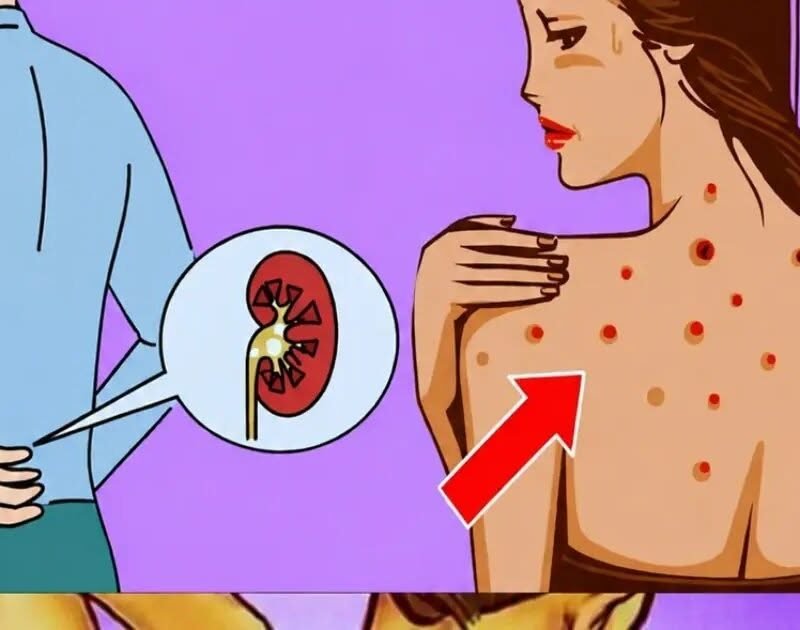
Itching without an obvious cause — persistent itching can occur in advanced kidney disease.
-
Muscle cramps — electrolyte and fluid disturbances can contribute to cramps.
-
Pain in the side or back — particularly when associated with fever, urinary symptoms, or blood in the urine; this can also have many non-kidney causes.
-
Shortness of breath or difficulty breathing — severe kidney problems can cause fluid accumulation, although heart and lung conditions are much more common causes.
🚨 Get urgent medical help for
Severe difficulty breathing, very little or no urine, severe weakness or confusion, sudden swelling, or severe flank pain accompanied by fever or vomiting.
Protecting your kidneys
Control blood pressure and diabetes, stay appropriately hydrated, avoid unnecessary use of medicines such as NSAID painkillers, don’t smoke, and have kidney function checked if you have risk factors.
One important point: kidney disease cannot be diagnosed from urine appearance or symptoms alone. If you have persistent changes, a clinician can check blood creatinine/eGFR and urine protein (albumin) to assess kidney function.