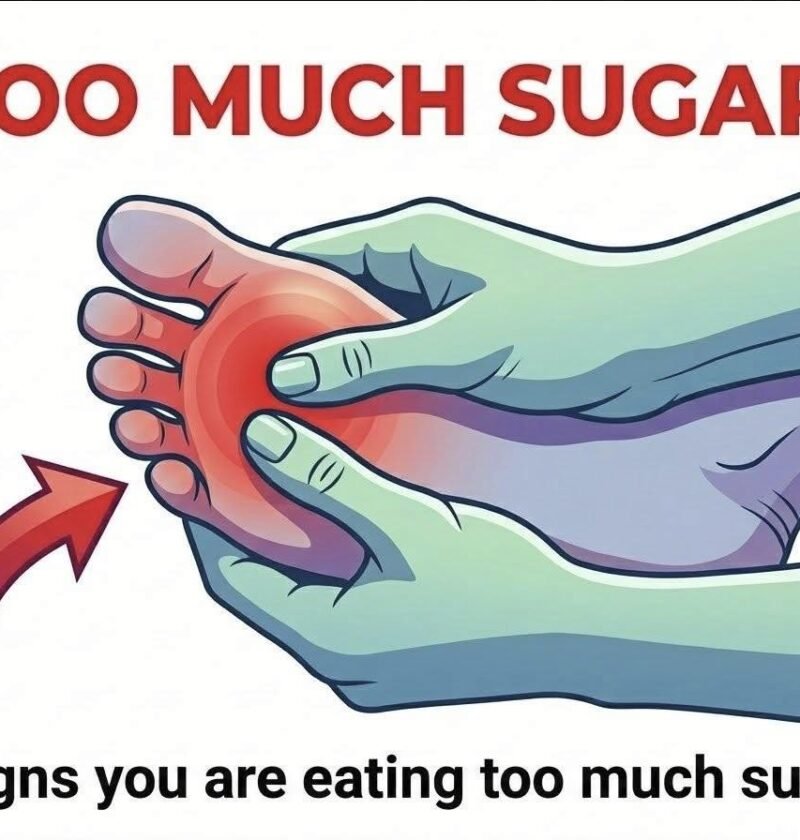
If you’re asking what the headline means, the key distinction is added sugar rather than naturally occurring sugar in whole fruit or plain milk. There isn’t a medical test that tells you from these signs alone that you’re eating too much sugar, but excessive added sugar is associated with weight gain and higher cardiometabolic risk. (American Heart Association Professional)
8 less-obvious clues to watch for
- Frequent cravings for sweet foods — especially repeatedly reaching for desserts or sweet drinks.
- Energy ups and downs — sugary foods and drinks can cause rapid rises in blood glucose, followed by a drop in energy for some people.
- Unintentional weight gain — excess calories from added sugars can contribute to weight gain. (www.heart.org)
- Drinking lots of sugary beverages — soda, sweetened tea/coffee, energy drinks and fruit drinks can contain surprisingly large amounts of added sugar. (CDC)
- Dental problems — frequent exposure to sugary foods and drinks increases the risk of tooth decay.
- High triglycerides or other unfavorable cholesterol results — diets high in added sugar, particularly sugar-sweetened beverages, can adversely affect cardiovascular risk factors. (American Heart Association Professional)
- A diet dominated by highly processed foods — many packaged foods can contain added sugar even when they don’t taste like desserts. Current AHA guidance recommends minimizing added sugars and choosing mostly whole or minimally processed foods. (American Heart Association Professional)
- You regularly exceed recommended added-sugar limits without realizing it — this is perhaps the most useful “hidden sign.” The AHA recommends no more than about 25 g (6 teaspoons) per day for most women and 36 g (9 teaspoons) for men. (www.heart.org)
Don’t confuse added sugar with all sugar
An apple contains naturally occurring sugar along with fiber and other nutrients. Added sugar is the sugar or syrup put into foods or drinks during processing or preparation. (www.heart.org)
Common hidden sources include sweetened yogurt, breakfast cereals, granola bars, sauces, flavored coffee, packaged drinks and baked goods. Reading the nutrition label and ingredient list can reveal how much you’re actually consuming. (www.heart.org)
One important warning
If you’re experiencing excessive thirst, frequent urination, unexplained weight loss, persistent fatigue or blurred vision, don’t assume you’ve simply eaten too much sugar. Those symptoms can occur with high blood glucose and diabetes, which requires medical testing rather than a dietary symptom checklist.
Bottom line: You don’t need to eliminate sugar completely. A more useful goal is to reduce added sugars, especially sugary drinks and highly processed sweets, while building meals around vegetables, fruit, whole grains, protein and minimally processed foods. (American Heart Association Professional)