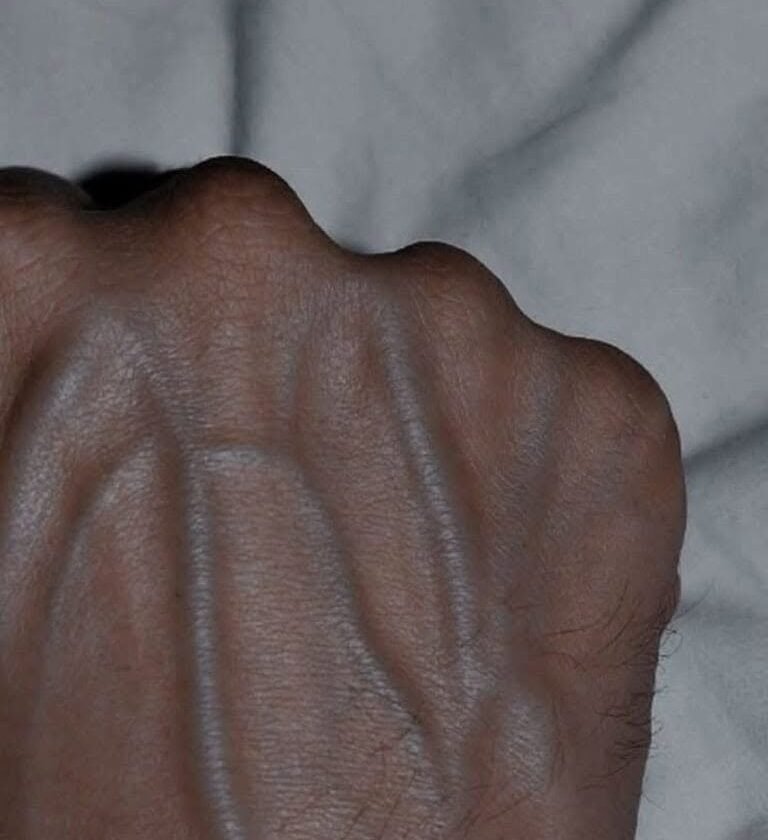
Visible Veins: What They Mean and Why twisted or bulging, particularly in the legs, or if you develop persistent swelling, skin changes, You Might See Them
Seeing prominent veins—especially on your hands, arms, feet, or legs—is often completely normal. Visible veins alone don’t mean you have a serious disease.
Common reasons veins become more noticeable
-
Low body fat: Less tissue between the skin and veins makes them easier to see.
-
Aging: Skin becomes thinner and loses some elasticity, making veins more prominent.
-
Exercise: Increased blood flow and temporary muscle swelling can make veins stand out.
-
Heat: Warm temperatures cause blood vessels to widen.
-
Genetics: Some people naturally have more visible superficial veins.
-
Dehydration: Being dehydrated can temporarily make veins appear more prominent.
-
Pregnancy: Increased blood volume and pressure on veins can make them more visible.
When visible veins deserve attention
It’s more concerning when a vein becomes newly prominent and is accompanied by pain, warmth, redness, swelling, or tenderness.
For example, sudden swelling and pain in one leg could indicate a deep-vein thrombosis (DVT) and should be medically evaluated.
Also seek medical advice for veins that become increasingly twisted or bulging, particularly in the legs, or if you develop persistent swelling, skin changes, or ulcers.
🚨 Emergency symptoms
If leg swelling or pain is accompanied by sudden shortness of breath, chest pain, coughing up blood, severe dizziness, or fainting, seek emergency medical care because a blood clot may have traveled to the lungs.
Bottom line: Visible veins are usually a normal variation. The important clues are sudden changes and accompanying symptoms, not simply how prominent your veins look.