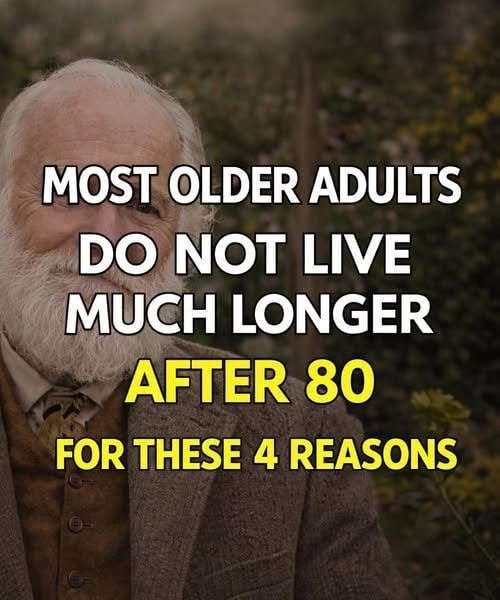
That headline is misleading if it suggests that most older adults die shortly after 80. Life expectancy varies substantially by country, sex, health, socioeconomic conditions, and individual circumstances. Reaching 80 does not mean a person is likely to die soon.
If you’re looking for the four major factors that can shorten life after 80, a more medically accurate framing would be:
4 Major Factors That Can Affect Longevity After 80
-
Cardiovascular disease
Heart disease and stroke remain major causes of illness and death in older adults. Managing blood pressure, cholesterol, diabetes, smoking, and physical activity can reduce risk. -
Frailty and loss of muscle
Age-related loss of muscle strength and balance can increase the risk of falls, fractures, disability, and loss of independence. Regular strength and balance exercises, adequate nutrition, and appropriate protein intake can help. -
Cancer and other chronic diseases
Cancer, chronic lung disease, kidney disease, and diabetes become increasingly important with age. Regular medical care can help detect and manage these conditions. -
Falls, infections, and functional decline
Falls can have serious consequences in older adults, while infections such as influenza, pneumonia, and COVID-19 can be more severe. Vaccination, medication review, good nutrition, and maintaining mobility can help reduce some risks.
The key point: there is no fixed age at which someone is expected to stop living. Individual health and circumstances matter much more than simply being over 80.