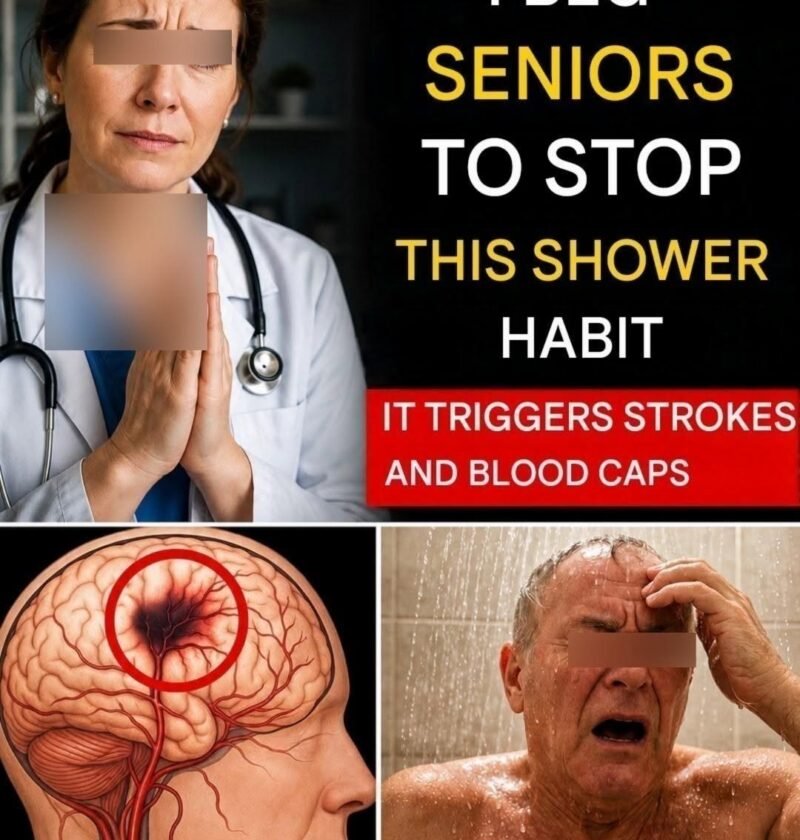
If you’re referring to the claim that a particular shower habit causes nighttime strokes in seniors, it’s important not to present that as established medical fact. There isn’t good evidence that an ordinary shower habit directly causes stroke.
For older adults, however, sudden temperature changes and very hot water can affect blood pressure and circulation, potentially causing dizziness or fainting—especially in people taking blood-pressure medicines or with cardiovascular problems.
Safer shower habits for seniors
-
Use warm rather than very hot water.
-
Avoid abruptly moving from a very hot shower into a cold environment.
-
Stand up slowly, particularly after sitting or bathing for a while.
-
Use a non-slip mat or shower chair if balance is a concern.
-
Stay hydrated, particularly in hot weather.
-
If you repeatedly feel dizzy, faint, unusually weak, or short of breath while showering, discuss it with a healthcare professional.
Know the real stroke warning signs
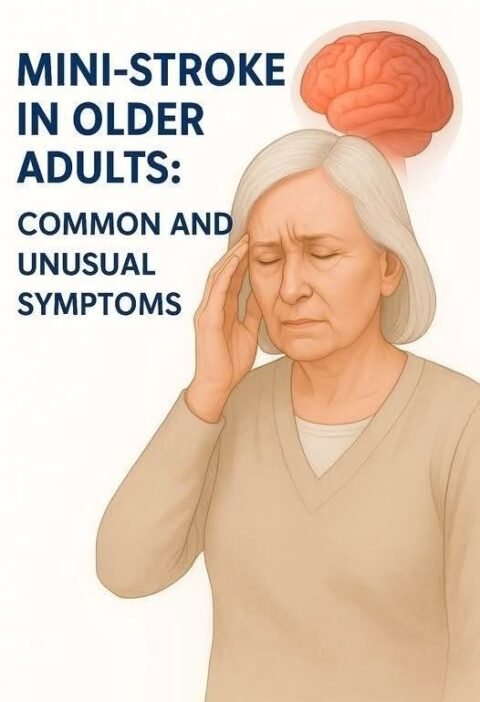
A stroke can occur at any time, including during the night. Sudden facial drooping, weakness/numbness (especially on one side), speech difficulty, vision changes, severe dizziness/loss of balance, or a sudden severe headache require emergency medical attention.
Don’t delay emergency care because you suspect a shower caused the symptoms. Time-sensitive stroke treatment can be critical.