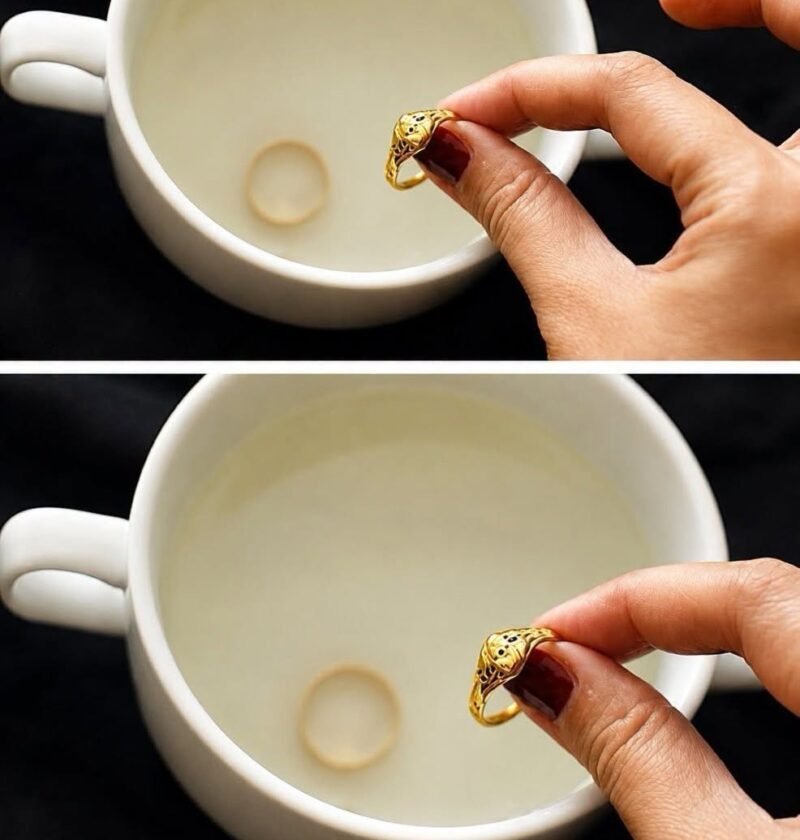
✨ How to Make Your Jewelry Shine Again: A Simple Cleaning Method
Jewelry can lose its sparkle from skin oils, lotions, soap, dust, and everyday grime. Fortunately, many pieces can be cleaned safely at home with a few gentle supplies.
🧼 A simple method for many jewelry pieces
You’ll need:
- A bowl of lukewarm water
- A few drops of mild dishwashing liquid
- A very soft toothbrush or jewelry brush
- A soft, lint-free cloth
Step-by-step
- Prepare the solution
Add a few drops of mild dish soap to lukewarm water. You don’t need a strong concentration. - Soak briefly
For jewelry that is known to be water-safe, let it sit for about 5–10 minutes to loosen dirt. - Brush gently
Use a soft toothbrush to clean around settings, underneath stones, and other hard-to-reach areas. Don’t scrub aggressively. - Rinse carefully
Rinse with clean lukewarm water. Close the drain or use a bowl so a small piece doesn’t disappear down the sink. - Dry thoroughly
Pat the jewelry dry with a soft cloth, then allow it to air-dry completely before storing it.
⚠️ Don’t use this method on every piece
Some jewelry can be damaged by water, chemicals, heat, or vigorous brushing.
Be especially cautious with:
- Pearls — don’t soak them; wipe gently with a damp cloth and dry immediately.
- Opals and other porous/gem materials — cleaning requirements vary.
- Delicate antique jewelry — professional cleaning may be safer.
- Gold-plated jewelry — aggressive polishing can remove the plating.
- Jewelry with loose stones, damaged settings, or unknown construction.
Avoid household cleaners such as bleach, chlorine, and abrasive powders, which can damage metals or gemstones.
💎 A useful rule
If you’re unsure what your jewelry is made of, don’t experiment with baking soda, toothpaste, vinegar, alcohol, or boiling water. A jeweler can identify the materials and recommend the appropriate cleaning method.
For everyday pieces that are confirmed to be water-safe, mild soap + lukewarm water + a soft brush is usually a much safer starting point than harsh DIY cleaners.