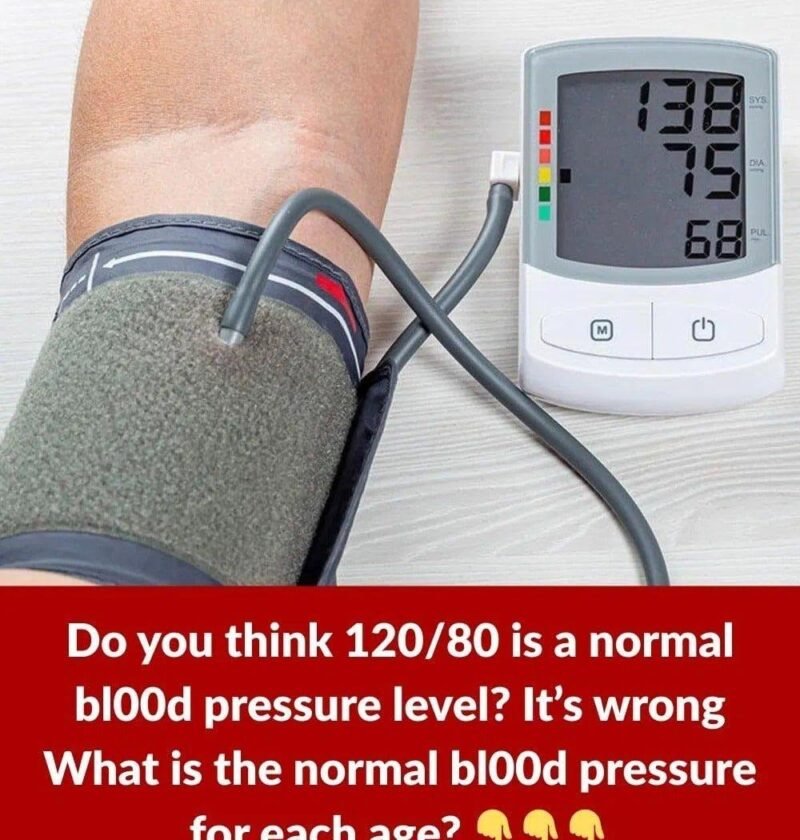
What Is Normal Blood Pressure for Each Age?
A common misconception is that blood pressure has a completely different “normal” value for every age. For adults, including people over 65, healthy blood-pressure categories generally don’t change simply because of age. Treatment targets may be individualized based on overall health, frailty, and other conditions.
| Age | General guide |
|---|---|
| Children | Depends on age, sex, and height; pediatric reference charts are used |
| 13–17 years | Adult-style thresholds are generally used |
| 18–64 years | Below 120/80 mmHg is considered normal |
| 65+ years | Below 120/80 mmHg remains the normal category, but treatment targets may be individualized |
| 80+ years | Targets should be discussed individually, particularly with frailty or other health conditions |
What the numbers mean
- Normal: Less than 120/80
- Elevated: 120–129 systolic and less than 80 diastolic
- High blood pressure: Persistent readings of 130/80 or above meet the hypertension threshold under current U.S. guidelines.
A single high reading doesn’t necessarily mean you have hypertension. Blood pressure can temporarily rise because of stress, exercise, caffeine, pain, or an incorrectly sized cuff. Multiple properly taken readings provide a better picture.
🚨 When it’s an emergency
If blood pressure is 180/120 mmHg or higher, repeat the measurement after a few minutes. If it remains that high and there are symptoms such as chest pain, difficulty breathing, severe headache, weakness/numbness, confusion, or vision changes, seek emergency medical care immediately.
If you give me the age and blood-pressure reading (for example, “72 years old, 145/88”), I can explain what it means.