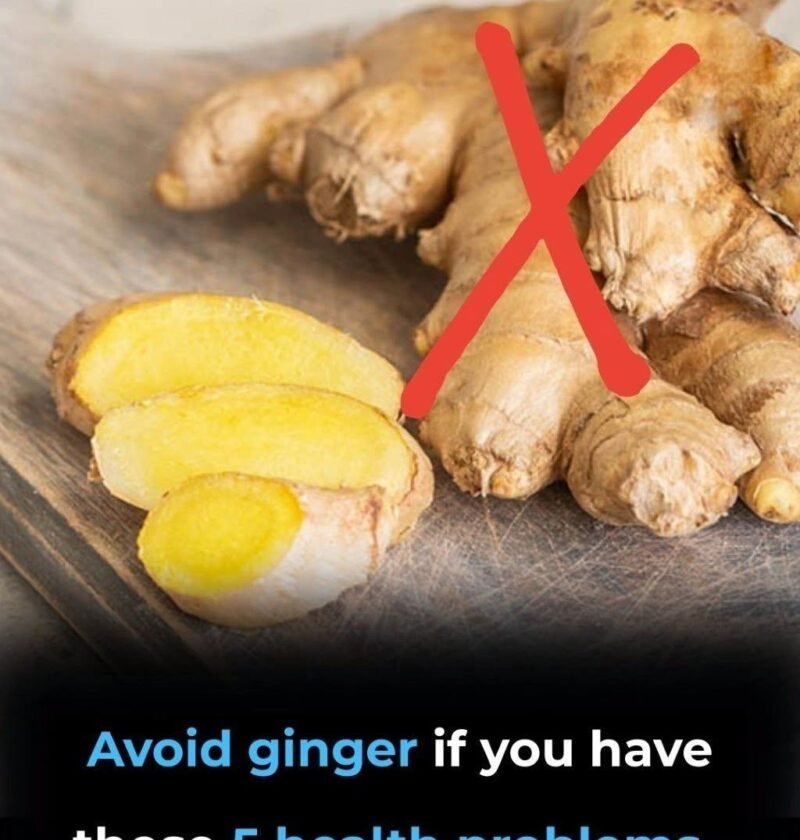
…unexpected side effects—particularly when consumed in large amounts or by individuals with specific health conditions.
While ginger is widely celebrated for its powerful anti-inflammatory, immune-boosting, and anti-nausea properties, doctors and medical researchers point out that excessive consumption or concentrated supplements can lead to several distinct physiological effects:
1. Heartburn and Acid Reflux
-
The Effect: While small amounts of ginger can aid digestion, consuming high doses or very spicy, raw ginger can actually trigger or worsen acid reflux. Its active compounds can stimulate stomach acid production or relax the lower esophageal sphincter, allowing gastric acid to slip upward and cause a burning sensation.
2. Increased Risk of Bleeding
-
The Effect: Ginger contains natural chemical properties (salicylates) that act as mild blood thinners by inhibiting platelet aggregation. While helpful for general circulation in moderation, high doses can increase the risk of bruising or excessive bleeding—especially for individuals taking anticoagulant medications (like warfarin or aspirin) or those scheduled for surgery.
3. Lowered Blood Pressure and Dizziness
-
The Effect: Ginger has natural vasodilating properties that help lower blood pressure. However, for people already diagnosed with hypotension or those taking blood pressure-lowering medications, excessive ginger can cause blood pressure to drop too sharply, leading to dizziness, fatigue, or fainting.
4. Gastrointestinal Distress (Gas, Bloating, and Diarrhea)
-
The Effect: When eaten in raw, highly concentrated, or excessive quantities, ginger can intensely stimulate digestive enzymes and gut motility. In sensitive stomachs, this rapid transit and strong enzymatic activity can result in stomach cramps, gas, loose stools, or irritation of the stomach lining.
5. Blood Sugar Fluctuations
-
The Effect: Because ginger can improve insulin sensitivity and help lower blood sugar, individuals managing diabetes must monitor their intake. Combined with diabetes medications or insulin, high amounts of ginger can occasionally cause blood glucose to drop too low (hypoglycemia).
The Medical Takeaway: Incorporating a slice of ginger into tea or using it as a culinary spice is generally safe and very healthy for most people. However, doctors advise caution with high-dose ginger supplements, extracts, or raw-root overconsumption if you have a bleeding disorder, take blood thinners, have gallstones, or take blood pressure medications.
Are you thinking about using ginger for a specific wellness routine, or checking how it might interact with your current habits?