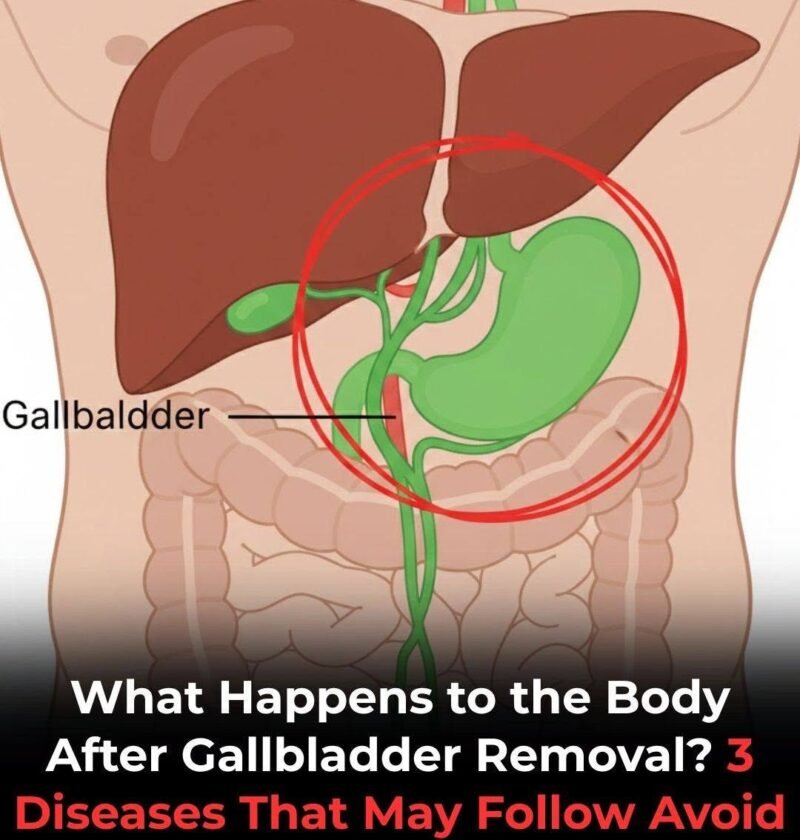
Gallbladder removal (cholecystectomy) is a common and generally safe operation, and for people with symptomatic gallstones or certain gallbladder diseases, avoiding necessary surgery can be more dangerous than having it. So I wouldn’t recommend the blanket message “avoid surgery when possible.”
3 problems that can occur after gallbladder removal
- Diarrhea or more frequent stools
Bile flows continuously into the intestine after the gallbladder is removed. Some people develop diarrhea, particularly after fatty meals. It is often temporary and treatable. - Indigestion, bloating, or abdominal discomfort
Some people experience gas, bloating, nausea, or difficulty tolerating very fatty foods after surgery. These symptoms can often improve with dietary adjustments. - Post-cholecystectomy symptoms
A small number of people continue to have abdominal pain or digestive symptoms after surgery. Sometimes the cause is another gastrointestinal condition, retained bile-duct stones, or another complication—not simply the absence of the gallbladder.
Should you avoid gallbladder surgery?
Not necessarily. Surgery is often recommended when gallstones cause repeated painful attacks, acute cholecystitis, pancreatitis, or other complications. For people who have gallstones but no symptoms, surgery may not be needed in many cases.
If you’re considering surgery, ask your doctor why it’s recommended, what alternatives exist in your particular situation, and what your individual risks are.
Severe abdominal pain, fever, jaundice, persistent vomiting, or worsening symptoms require prompt medical assessment.