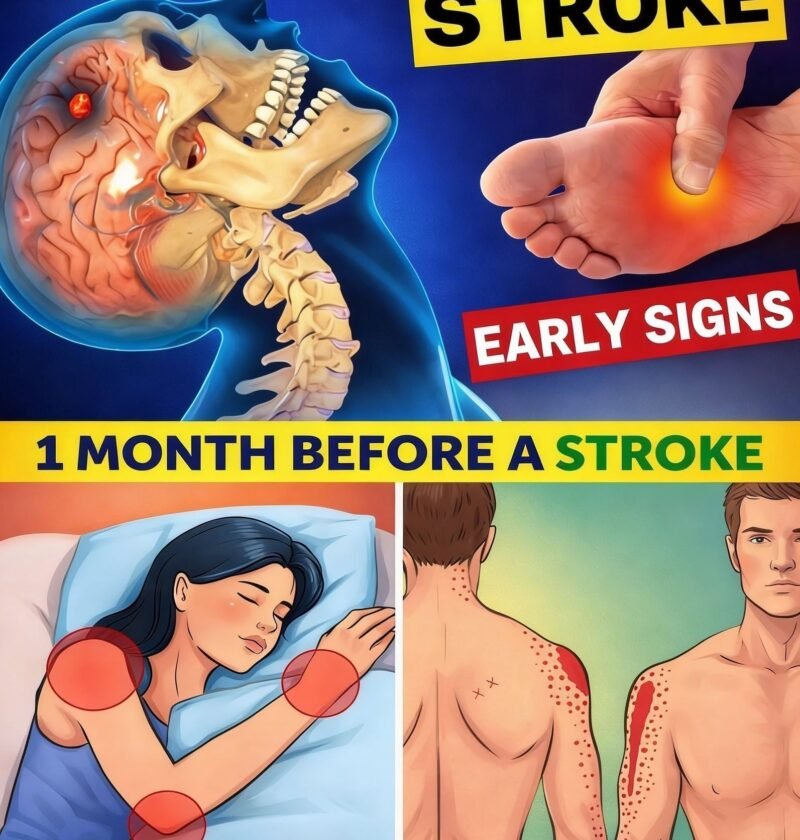
While viral headlines often suggest that a stroke gives distinct warning signs a full month in advance, neurologists and medical organizations emphasize that true strokes are acute, sudden medical emergencies that happen without long-term advanced notice.
However, there is an important medical nuance behind these claims: Transient Ischemic Attacks (TIAs), commonly known as “mini-strokes”. A TIA involves a temporary blockage of blood flow to the brain that causes stroke-like symptoms (such as brief numbness, temporary speech difficulty, or sudden dizziness) that resolve completely within minutes to hours. Experiencing a TIA is a critical red flag—statistically, up to a third of people who have a TIA will go on to have a major stroke, often within the following days, weeks, or months.
Because warning signs can sometimes present intermittently before a major event, understanding how to recognize acute stroke symptoms is vital.
Recognizing an Active Stroke: The B.E. F.A.S.T. Method
Medical professionals use the B.E. F.A.S.T. acronym to identify the sudden signs of a stroke requiring immediate emergency care:
-
B — Balance Loss: Sudden loss of balance, coordination, or unexplained dizziness.
-
E — Eyes: Sudden blurred vision, double vision, or loss of sight in one or both eyes.
-
F — Face Drooping: Does one side of the face droop, or is it numb? (Ask the person to smile to check if it’s uneven).
-
A — Arm Weakness: Is one arm weak or numb? (Ask the person to raise both arms; notice if one drifts downward).
-
S — Speech Difficulty: Is speech slurred, garbled, or hard to understand? (Ask them to repeat a simple sentence).
-
T — Time to Call 911: If you observe any of these sudden signs, call emergency services immediately. Every minute counts to minimize brain tissue damage.
Tips to Lower Your Overall Stroke Risk
Since strokes are largely driven by vascular health, managing long-term risk factors is the most effective prevention strategy:
-
Manage Blood Pressure: Hypertension is the single leading risk factor for stroke. Check it regularly and keep it within your doctor’s recommended range.
-
Control Blood Sugar: If you have diabetes, consistent management protects your blood vessels from accelerated plaque buildup and damage.
-
Monitor Cholesterol: High LDL cholesterol contributes to narrowed arteries; eating a balanced, heart-healthy diet helps keep plaque accumulation in check.
-
Treat Heart Conditions: Conditions like atrial fibrillation (an irregular heartbeat) can cause blood clots to form and travel to the brain; work closely with a cardiologist if you are diagnosed.
-
Quit Smoking: Smoking thickens blood, increases clot formation, and damages the inner lining of arteries.
-
Stay Physically Active: Regular movement (such as brisk walking for 30 minutes most days) improves overall circulation and vascular elasticity.
-
Limit Alcohol and Sodium: Excess salt raises blood pressure, and heavy alcohol consumption is an independent risk factor for stroke.
-
Never Ignore “Transient” Symptoms: If you or someone you know experiences a sudden, brief episode of weakness, vision loss, or speech trouble that disappears on its own, treat it as an emergency and see a doctor immediately.