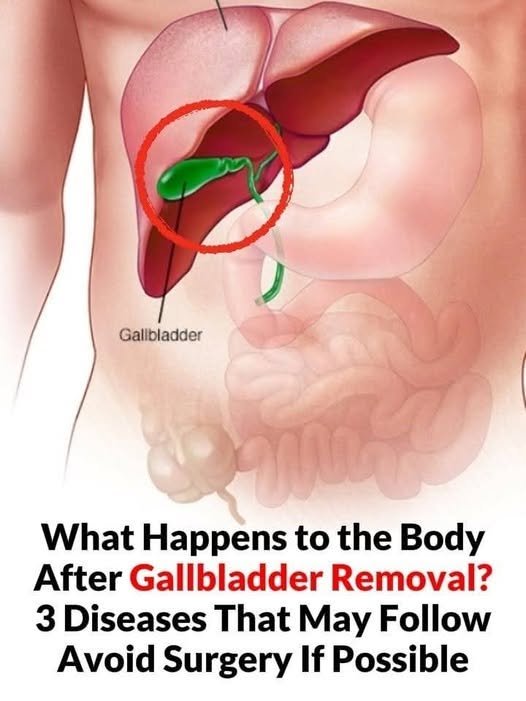
While a cholecystectomy (gallbladder removal) is one of the most common surgeries performed worldwide, it is not a consequence-free procedure. The gallbladder is a vital storage organ for bile, which the liver produces to help break down fats. When it is removed, bile no longer releases in concentrated spurts during meals; instead, it trickles continuously into the digestive tract.
This permanent shift in digestive physiology can lead to long-term complications. Medical literature and specialists highlight several conditions that patients can develop post-surgery—underscoring why preserving the organ through dietary adjustments, lifestyle changes, or alternative treatments is often preferred when medically safe.
1. Chronic Bile Acid Diarrhea (BAD)
-
What happens: Without a gallbladder to regulate flow, continuous bile empties directly into the small intestine. The small intestine and colon can easily become overwhelmed by this constant stream of bile acids.
-
The result: Many patients experience chronic, urgent, and watery diarrhea shortly after eating, often requiring long-term medication (such as bile acid sequestrants like cholestyramine) just to maintain normal bowel habits.
2. Post-Cholecystectomy Syndrome (PCS)
-
What happens: PCS refers to a constellation of persistent, recurring symptoms that mimic a bad gallbladder even after the organ has been taken out. It affects a notable percentage of patients.
-
The result: Sufferers experience symptoms ranging from right upper quadrant abdominal pain and severe bloating to acid reflux, nausea, and persistent fat intolerance. In some cases, PCS is caused by retained stones in the bile ducts, spasms of the Sphincter of Oddi (the muscular valve controlling fluid flow), or unmasked underlying gastrointestinal disorders.
3. Increased Metabolic and Liver Stress Risks
-
What happens: Emerging clinical research suggests that the gallbladder plays an active role in metabolic health, glucose regulation, and systemic lipid processing. Its removal alters how the body handles fats and metabolizes nutrients.
-
The result: Some studies have linked post-cholecystectomy states to a higher long-term prevalence of non-alcoholic fatty liver disease (NAFLD), metabolic syndrome, and altered gut microbiome profiles due to the continuous presence of unabsorbed bile acids in the gut.
Why Avoiding Surgery When Possible Matters
When gallstones are completely asymptomatic (“silent stones”), standard medical practice is usually to leave them alone rather than rush into surgery. Even when mild symptoms occur, lifestyle interventions—such as adopting a lower-fat, whole-food diet, maintaining steady weight loss (avoiding rapid crash dieting which worsens gallstones), and staying hydrated—can often manage flare-ups successfully.
Surgery remains necessary and life-saving during acute infections, blockages, or severe inflammation (acute cholecystitis). However, because losing your gallbladder means permanently altering your digestive architecture, doctors emphasize preserving it whenever lifestyle management can safely keep symptoms at bay.