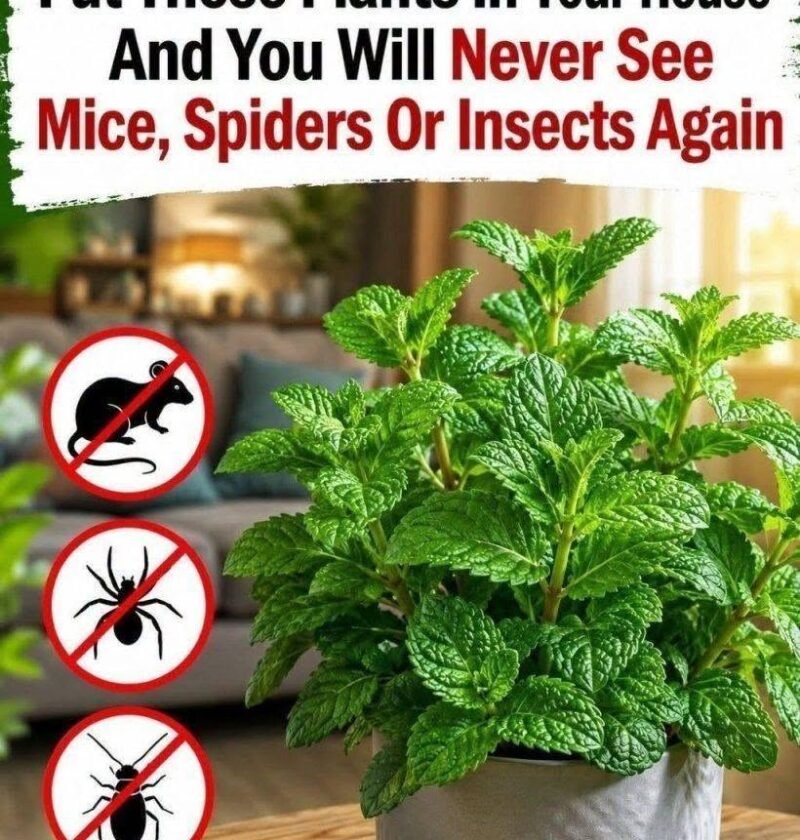
8 Aromatic Plants That Help Deter Pests
-
Peppermint (Mentha piperita)
-
What it deters: Mice, spiders, ants, and mosquitoes.
-
Why it works: Mice and spiders rely heavily on scent and taste receptors in their feet and whiskers; concentrated menthol overwhelms their senses.
-
Care tip: Keep it in a pot rather than planting directly in garden beds, as mint spreads aggressively. Crushing a few leaves releases stronger oils.
-
-
Lavender (Lavandula)
-
What it deters: Moths, fleas, flies, mosquitoes, and spiders.
-
Why it works: High levels of linalool and camphor smell pleasant to humans but disrupt insect sensory receptors.
-
Care tip: Needs bright sunlight (at least 6 hours) and well-draining soil; dried lavender sachets also work well inside closets to deter clothes moths.
-
-
Lemongrass (Cymbopogon)
-
What it deters: Mosquitoes, flies, and gnats.
-
Why it works: Contains citronella oil, one of the most widely recognized natural mosquito repellents.
-
Care tip: Thrives in warm, sunny climates (and grows very easily in containers or gardens in warm regions like Punjab).
-
-
Rosemary (Salvia rosmarinus)
-
What it deters: Mosquitoes, flies, cabbage moths, and beetles.
-
Why it works: Woody, resinous oils irritate flying insects and mask the scents of nearby susceptible plants.
-
Care tip: Prefers bright light, dry air, and letting the soil dry slightly between waterings.
-
-
Marigolds (Tagetes)
-
What it deters: Mosquitoes, aphids, whiteflies, and root-knot nematodes.
-
Why it works: Marigolds produce pyrethrum (a compound used in many natural insect repellents) and emit a musky scent from their roots and foliage that pests avoid.
-
Care tip: Easy to grow in sunny window boxes, borders, and balcony pots.
-
-
Basil (Ocimum basilicum)
-
What it deters: Houseflies, mosquitoes, and hornworms.
-
Why it works: Strong essential oils like estragole and eugenol act as natural airborne deterrents around kitchen windowsills and doors.
-
Care tip: Pinch off flower buds regularly to encourage bushy leaf growth and stronger aroma.
-
-
Chrysanthemums (Chrysanthemum)
-
What it deters: Ants, roaches, fleas, ticks, silverfish, and spider mites.
-
Why it works: Certain varieties contain natural pyrethrins, which affect the nervous systems of crawling insects.
-
Care tip: Keep out of reach of cats and dogs, as chrysanthemums can cause mild stomach upset or drooling if chewed by pets.
-
-
Eucalyptus (Silver Dollar or Lemon Eucalyptus)
-
What it deters: Mosquitoes, flies, spiders, and mice.
-
Why it works: Rich in eucalyptol (cineole) and citronellal, creating a sharp herbal barrier near entryways.
-
Care tip: Dwarf varieties grow well in sunny indoor/patio pots; cut stems also make effective aromatic arrangements.
-
How to Make Pest-Repelling Plants Actually Work
-
Place them at entry points: Set pots right beside exterior doors, ground-floor windows, kitchen sills, and balcony edges where pests enter.
-
Brush or crush the leaves occasionally: Intact leaves hold most of their essential oils inside tiny glands; lightly brushing past them or crushing a leaf or two releases the scent barrier.
-
Combine plants with basic exclusion: Potted herbs alone will not stop an active mouse or spider infestation. Sealing small wall/door gaps with steel wool or caulk, storing pantry food in airtight containers, and reducing clutter remain essential.