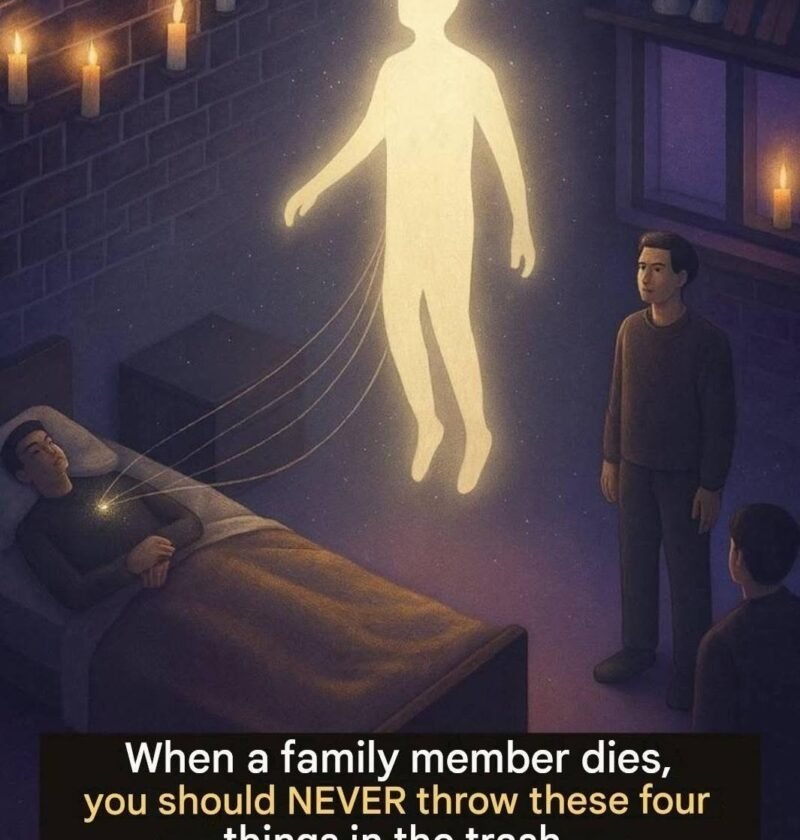
Never Throw Away These 4 Things After a Loved One Passes Away
After someone we love dies, even ordinary objects can suddenly carry enormous emotional and practical importance. There’s no universal rule that you must keep specific belongings, but pausing before discarding certain items can prevent regret and protect important information.
1. Handwritten letters, cards, and notes ✉️
A short note, birthday card, recipe, or handwritten shopping list may seem insignificant to everyone else—but handwriting can become one of the most meaningful reminders of someone who is gone.
If there are many papers, you don’t have to keep everything. Consider selecting a few pieces that preserve their handwriting, personality, or voice.
You can also scan particularly meaningful documents so the memories don’t depend on a fragile piece of paper.
2. Photographs and home videos 📷
Don’t rush to throw away old photographs, negatives, slides, videotapes, or other family recordings.
Some images may contain people whose identities are no longer obvious to younger family members. Before discarding duplicates, consider asking relatives whether they recognize anyone.
If possible, digitize irreplaceable photographs and recordings and keep more than one backup.
3. Personal documents and records 📁
This category is less sentimental but potentially much more important.
Before disposing of paperwork, check for documents relating to:
- Wills and estate planning
- Property ownership
- Insurance policies
- Bank and investment accounts
- Pensions or retirement benefits
- Tax records
- Birth, marriage, or other civil records
- Military records
- Important medical or legal documents
Don’t assume that something is worthless simply because it looks like old paperwork. Estate administration can require specific records, and important documents should be handled according to local legal requirements.
4. A few ordinary objects that tell their story
A favorite watch, recipe book, tool, piece of jewelry, gardening item, mug, or piece of clothing may have little monetary value but enormous sentimental value.
You don’t need to preserve an entire house to preserve someone’s memory.
Choose a small number of objects that make you think:
“This is so them.”
Those may eventually become more meaningful than expensive possessions.
One thing people often forget
Don’t make every decision immediately.
Grief can make ordinary choices surprisingly difficult, and what feels unimportant today may become meaningful months or years later. If practical circumstances allow, create a temporary “not sure yet” box rather than forcing yourself to decide immediately.
And remember: keeping everything isn’t the same as preserving a memory. Photographs, digital copies, stories, and a few carefully chosen possessions can preserve someone’s legacy without requiring you to keep every belonging.
Most importantly, don’t let a viral list make you feel guilty about what you choose to keep or discard. There is no “correct” number of possessions to save after a loved one dies. What matters is preserving what has personal, family, legal, or financial significance to you.