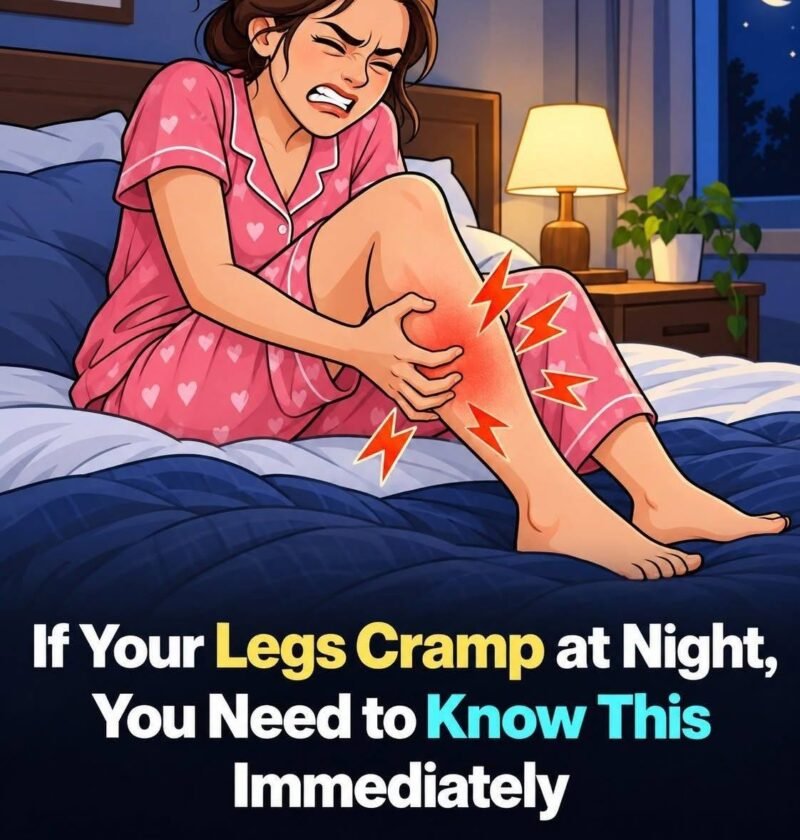
Why They Happen at Night
-
Everyday & Physical Triggers: Muscle fatigue from heavy exercise or long hours standing/walking, sudden increases in activity, or tight blankets tucking your toes downward.
-
Age & Pregnancy: Tendons naturally shorten with age, making nerve misfires more frequent; pregnancy increases cramp risk due to weight shifts, circulation changes, and altered fluid balance.
-
Dehydration & Fluid Shifts: Low daytime fluid intake or heavy sweating.
-
Medications: Certain prescriptions list leg cramps as a known side effect—most notably diuretics (“water pills”), statins (cholesterol drugs), calcium channel blockers (blood pressure medications), and beta-agonist asthma inhalers.
-
Underlying Health Conditions: Peripheral artery disease (narrowed leg arteries), nerve compression or peripheral neuropathy, diabetes, thyroid imbalances, or kidney/liver conditions.
-
The Supplement Myth: Despite heavy marketing, large clinical trials show magnesium supplements offer little to no reliable relief for general nighttime leg cramps outside of pregnancy.
How to Stop a Cramp Fast When It Hits
-
Stretch the muscle immediately: Pull your toes straight up toward your shin (flexing your ankle), or stand up and press your heel firmly into the floor while leaning forward slightly.
-
Massage and apply heat: Gently knead the knotted muscle with your hands, then apply a warm towel, heating pad, or warm shower to boost blood flow and relax the fibers.
-
Walk gently once the sharp spasm eases: Taking a few slow steps helps reset normal nerve-muscle signaling before lying back down.
Daily Habits to Prevent Future Cramps
-
Do a 3-minute pre-bed calf stretch: Stand an arm’s length from a wall, place your hands against it, step one foot back with the knee straight and heel flat on the floor, and lean forward for 20–30 seconds per leg. Repeat 2–3 times before sleep.
-
Loosen your sheets at the foot of the bed: Heavy, tightly tucked covers force your feet downward all night. Untuck the bottom sheets or use a pillow at the foot of the bed to keep blankets off your toes.
-
Stay consistently hydrated: Drink water steadily throughout the day so you aren’t dehydrated by bedtime, and cut back on evening alcohol or heavy caffeine.
-
Wear supportive footwear: Flat, unsupportive shoes during long days on hard floors fatigue calf muscles and set up nighttime spasms.