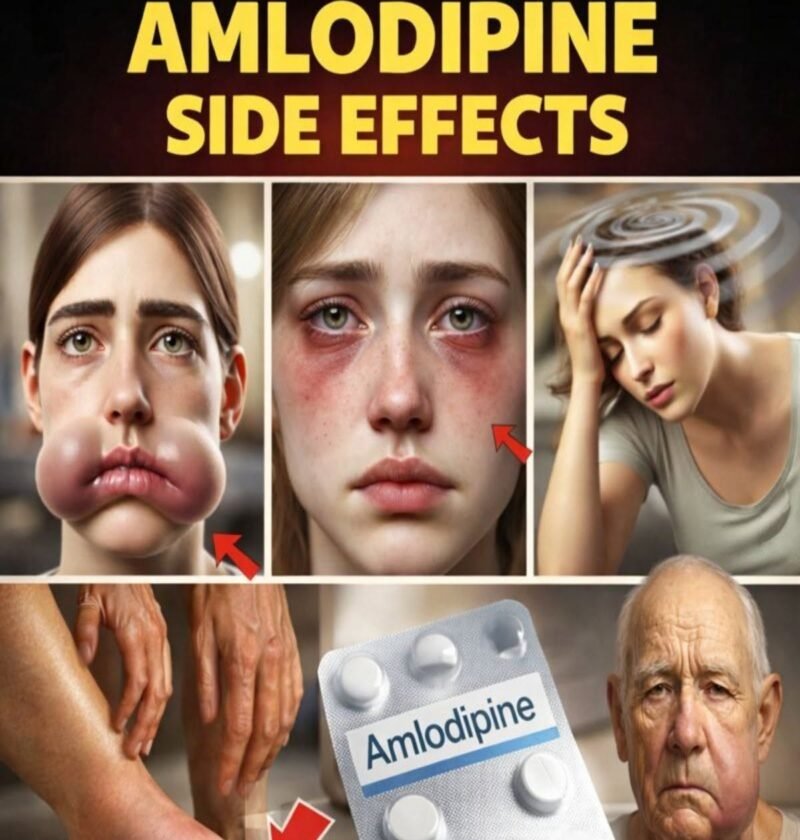
If you’re taking amlodipine, you generally don’t need to follow a long list of forbidden foods. However, there are several things worth avoiding or discussing with your doctor or pharmacist.
12 things to avoid or be cautious with
- Grapefruit and grapefruit juice — NHS guidance advises avoiding them because they can increase the chance of amlodipine side effects. nhs.uk
- Excessive alcohol — it can increase the blood-pressure-lowering effect and make dizziness more likely. nhs.uk
- Stopping amlodipine suddenly — don’t discontinue it without medical advice. nhs.uk
- Doubling a missed dose — if you miss a dose, follow the medication instructions rather than taking two doses together. nhs.uk
- Taking extra blood-pressure medicines without guidance — combinations can sometimes lower blood pressure too much.
- Starting herbal remedies without checking first — some, including St John’s wort, can interact with medicines. nhs.uk
- Ignoring persistent dizziness — particularly if you feel faint or unsteady; amlodipine can cause dizziness. nhs.uk
- Ignoring significant ankle or leg swelling — swelling is a common amlodipine side effect and should be discussed if troublesome or persistent. nhs.uk
- Taking NSAID painkillers frequently without medical advice — medicines such as ibuprofen or naproxen can affect blood pressure and have kidney and cardiovascular risks, especially with long-term use. nhs.uk+1
- Taking new antibiotics or antifungals without mentioning amlodipine — some medicines can interact with it. nhs.uk
- Ignoring other medicines you take — medicines such as simvastatin, some HIV medicines, immunosuppressants, and other blood-pressure drugs may require consideration when combined with amlodipine. nhs.uk
- Driving when you’re dizzy or sleepy — wait until these effects have resolved before driving or operating machinery. nhs.uk
One important clarification
You don’t need to avoid bananas, oranges, or ordinary potassium-rich foods just because you’re taking amlodipine. Amlodipine isn’t like some other blood-pressure medicines that require routine potassium restriction.
If you develop fainting, severe dizziness, worsening chest pain, difficulty breathing, or swelling of the face/throat, seek medical attention promptly.