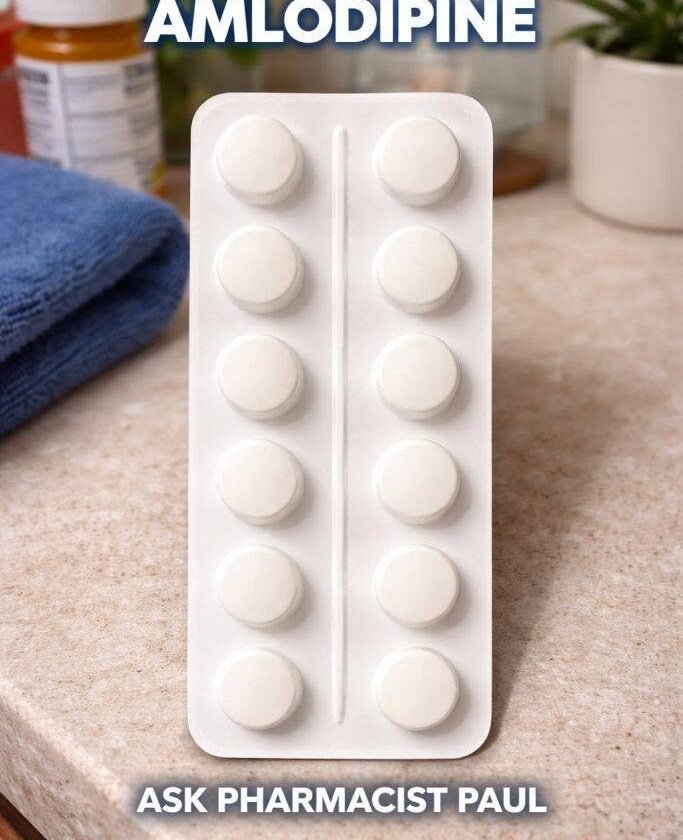
8 Habits to Avoid or Change If You Take Amlodipine
Amlodipine is commonly used for high blood pressure and angina. It generally can be taken safely for years, but some habits can increase side effects or interfere with treatment.
1. 🚫 Don’t stop taking it because you feel well
High blood pressure often has no symptoms. Don’t stop amlodipine or change the dose without medical advice.
2. 🍷 Don’t overdo alcohol
Alcohol can increase the blood-pressure-lowering effect and make dizziness or low blood pressure more likely.
3. 🍊 Be cautious with grapefruit
The NHS advises avoiding grapefruit and grapefruit juice with amlodipine because they may increase side effects. However, U.S. prescribing information reports no meaningful effect of grapefruit juice on amlodipine exposure. If you regularly consume grapefruit, check your own medication leaflet or ask your pharmacist, particularly if you take other medicines.
4. 🌿 Don’t start supplements or herbal remedies without checking
Products such as St John’s wort can interact with medicines, and some prescription drugs can alter amlodipine levels. Tell your pharmacist or doctor about vitamins, supplements and herbal products you’re taking.
5. 💊 Don’t ignore other medications
Some medicines—including certain antibiotics, antifungals and other blood-pressure drugs—can interact with amlodipine. Some combinations require monitoring or dose adjustment.
6. 🦶 Don’t simply ignore persistent ankle swelling
Swelling of the ankles, feet and legs is a common amlodipine side effect. It isn’t usually dangerous, but persistent or troublesome swelling should be discussed with your clinician rather than prompting you to stop the drug yourself.
7. 🚗 Don’t drive if the medicine makes you dizzy or sleepy
Dizziness and sleepiness can occur, particularly when starting treatment or after changes. Avoid driving or operating machinery until you know how the medication affects you.
8. 🧂 Don’t let lifestyle habits undermine blood-pressure control
Amlodipine works best as part of an overall blood-pressure strategy. Regular activity, a balanced diet with less excess sodium, maintaining a healthy weight when appropriate, and avoiding tobacco can all support cardiovascular health.
🚨 When to seek help
Seek urgent medical attention for difficulty breathing, swelling of the face or throat, fainting, or severe/persistent chest or abdominal pain.