8 Common Medications to Be Careful With to Protect Your Kidneys
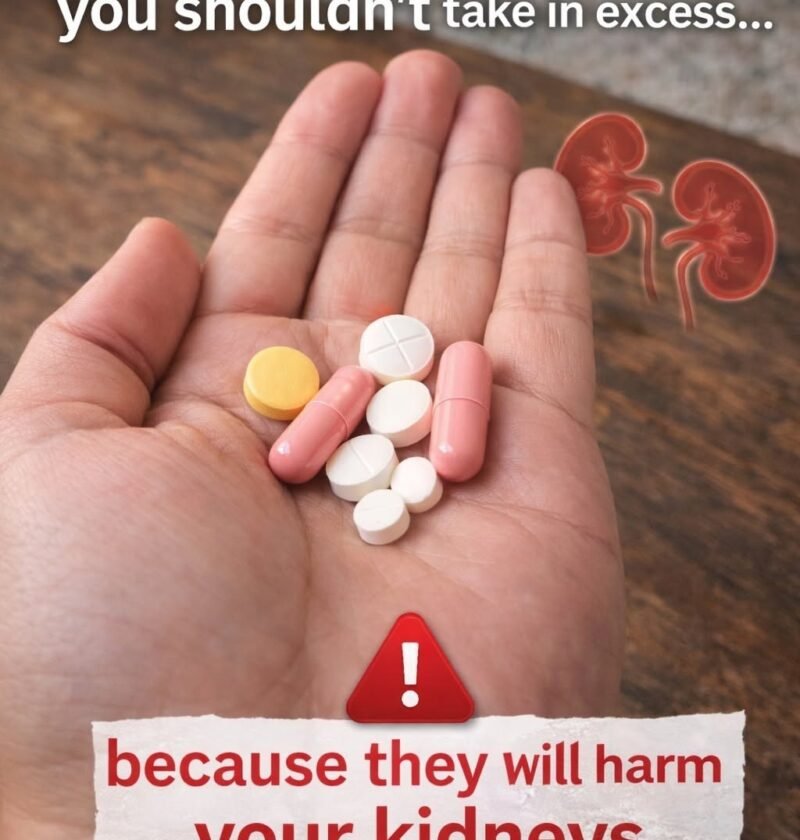
The headline “avoid these medications” is too broad. Many of these medicines are safe and necessary when prescribed appropriately. The concern is usually excessive doses, prolonged use, dehydration, existing kidney disease, or certain drug combinations.
N
National Kidney Foundation
+1
Ibuprofen and other NSAIDs — including naproxen and diclofenac. Frequent or high-dose use can reduce blood flow to the kidneys and cause acute kidney injury or worsen chronic kidney disease.
N
National Kidney Foundation
High-dose aspirin — doses above 325 mg/day can have NSAID-like effects on the kidneys. Low-dose aspirin prescribed for cardiovascular protection is different and should not be stopped without medical advice.
N
National Kidney Foundation
Certain antibiotics — some can directly affect the kidneys or accumulate when kidney function is reduced, requiring dose adjustments.
N
National Kidney Foundation
Certain antivirals and antifungals — some require kidney-based dose adjustments and others can potentially cause kidney injury.
N
National Kidney Foundation
Diuretics (“water pills”) — medicines such as furosemide can be very beneficial, but excessive dosing can contribute to dehydration and electrolyte problems.
N
National Kidney Foundation
ACE inhibitors and ARBs — drugs such as lisinopril and losartan often protect the kidneys, especially in people with hypertension or diabetes, but dehydration and certain drug combinations can increase the risk of acute kidney injury.
N
NIDDK
+1
Some antacid/heartburn medicines — certain H2 blockers and other products may accumulate when kidney function is reduced and therefore require dose adjustments.
N
National Kidney Foundation
Lithium — long-term treatment can affect kidney function, so people taking it need appropriate monitoring.
N
National Kidney Foundation
One particularly important combination
Taking an NSAID + an ACE inhibitor/ARB + a diuretic, especially while dehydrated from vomiting, diarrhea, fever, or inadequate fluid intake, can substantially increase the risk of acute kidney injury.
N
NIDDK
+1
Don’t stop a prescribed medication just because you’ve seen a list like this. The safest approach is to have your doctor or pharmacist review all prescription medicines, over-the-counter drugs, and supplements—particularly if you have kidney disease, diabetes, high blood pressure, or are older.
N
National Kidney Foundation
+1
N
N
Sources