5 Warning Signs of a TIA in Older Adults You Should Never Ignore
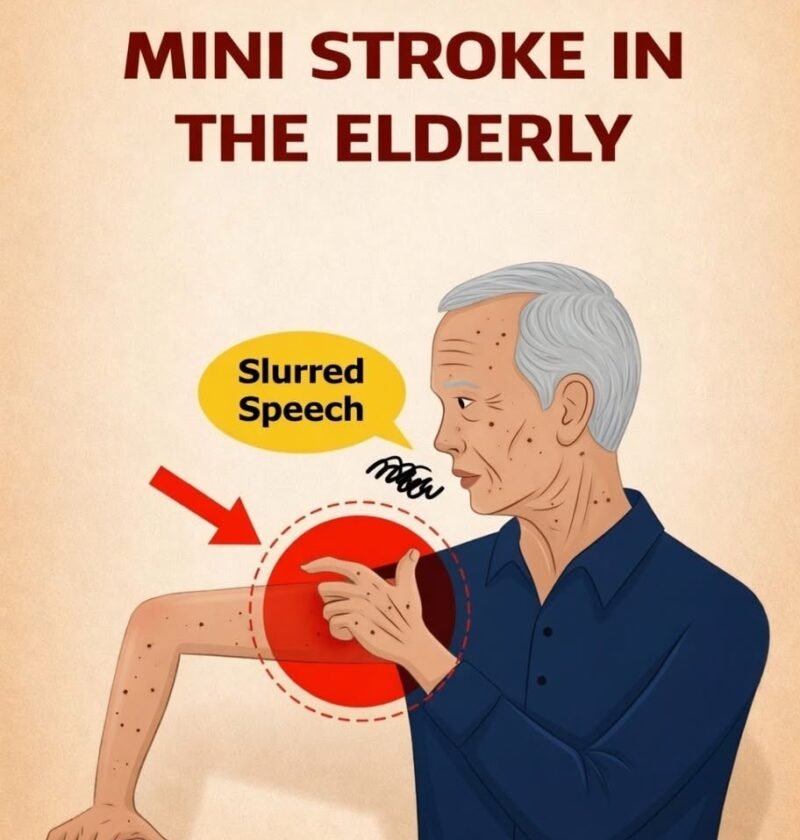
A transient ischemic attack (TIA) is sometimes called a “mini-stroke.” It happens when blood flow to part of the brain is temporarily interrupted. The symptoms may disappear within minutes or hours, but a TIA is still a medical emergency because it can be a warning of a future stroke.
5 important warning signs
-
Sudden weakness or numbness
-
Especially affecting the face, arm, or leg on one side of the body.
-
-
Sudden difficulty speaking or understanding
-
Speech may become slurred, words may come out incorrectly, or the person may suddenly struggle to understand others.
-
-
Sudden vision problems
-
Temporary loss of vision, double vision, or significant blurring in one or both eyes.
-
-
Sudden dizziness or loss of balance
-
New difficulty walking, coordination problems, or unexplained severe dizziness can sometimes be neurological warning signs.
-
-
Sudden confusion or trouble performing familiar tasks
-
An abrupt change in awareness, orientation, or ability to communicate can be concerning.
-
🚨 Don’t wait for symptoms to disappear
A TIA and stroke can initially look very similar. If these symptoms occur suddenly, seek emergency medical attention immediately—even if the person feels completely normal again.
Remember FAST:
-
F — Face: Does one side droop when smiling?
-
A — Arms: Can both arms be raised and kept up?
-
S — Speech: Is speech slurred or unusual?
-
T — Time: Get emergency help immediately.
Also note the exact time symptoms began, or the last time the person was known to be well. This information can be important for treatment decisions.
A TIA is not something to monitor at home or treat with food, vitamins, or supplements. Prompt medical assessment can identify causes and help reduce the risk of a subsequent stroke.