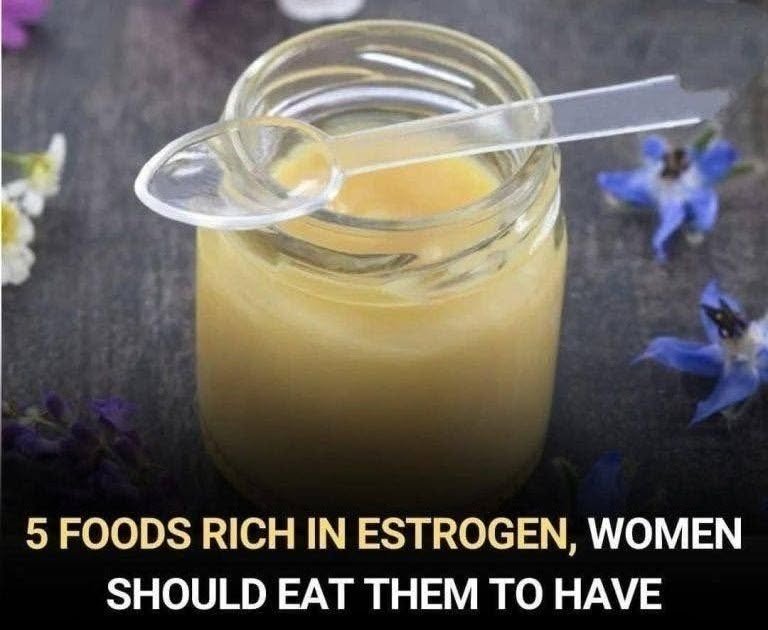
5 Top Whole-Food Sources of Phytoestrogens
-
Soybeans & Minimally Processed Soy Foods (Tofu, Tempeh, Edamame, Unsweetened Soy Milk):
-
Key compound: Isoflavones (genistein and daidzein)—the richest dietary source of phytoestrogens.
-
What the evidence shows: Moderate whole-soy intake (1–2 servings daily) can modestly reduce hot-flash frequency in some perimenopausal/menopausal women and supports heart health without raising breast cancer risk (and is considered safe by major oncology guidelines even for breast cancer survivors).
-
-
Flaxseeds (Ground / Milled):
-
Key compound: Lignans (secoisolariciresinol diglucoside), converted by gut bacteria into active enterolignans.
-
Practical tip: Whole flaxseeds pass through the digestive tract mostly intact—use freshly ground flaxseed (1–2 tablespoons stirred into yogurt, oats, or smoothies) so your body can actually absorb the lignans and omega-3 ALA.
-
-
Sesame Seeds & Tahini:
-
Key compound: Lignans (sesamin and sesamolin) alongside healthy unsaturated fats and calcium.
-
Practical tip: Sprinkling toasted sesame seeds or using tahini (sesame paste) in dressings and hummus provides concentrated lignans in small portions.
-
-
Chickpeas, Lentils & Other Legumes:
-
Key compound: Moderate levels of isoflavones and coumestans, paired with soluble fiber and plant protein.
-
Practical tip: Everyday staples like chickpeas (chana), red/brown lentils (masoor), and mung beans provide steady, gentle phytoestrogens alongside blood-sugar-steadying fiber.
-
-
Dried Fruits (Especially Dried Apricots, Dates & Prunes):
-
Key compound: Lignans and isoflavones concentrated by water removal.
-
Practical tip: Keep portions modest (2–3 pieces paired with nuts) since drying also concentrates natural sugars and calories.
-
Common Phytoestrogen Myths vs. Clinical Reality
| Viral Claim | What Endocrinology & Nutrition Show |
| “Soy or flaxseed causes gynecomastia (‘man boobs’) or lowers testosterone in men.” | False. Large clinical reviews show normal dietary soy and phytoestrogens do not lower testosterone, impair sperm quality, or cause breast growth in men. (Isolated case reports involved extreme intake—such as drinking ~3 quarts of soy milk daily.) |
| “Eating phytoestrogen foods replaces prescription hormone therapy (HRT).” | Exaggerated. Whole foods provide mild symptom relief for some people, whereas moderate-to-severe menopausal symptoms or bone loss often respond much more reliably to medical therapies. |
| “High-dose phytoestrogen pills are just as safe as food.” | Not necessarily. Concentrated isoflavone or herbal extracts (like high-dose red clover or black cohosh) deliver far higher doses than food and can interact with medications or require medical guidance if you have hormone-sensitive conditions. |
Practical Ways to Include Them Safely
-
Stick to Whole Foods Over Concentrated Supplements: Incorporate 1–2 daily servings of whole soy, ground flaxseed, sesame, or legumes as part of normal meals rather than high-dose “estrogen booster” pills.
-
Check With Your Doctor If You Have Hormone-Sensitive Conditions: Whole food portions are generally safe, but always clear concentrated herbal/isoflavone supplements with your physician if you take tamoxifen, aromatase inhibitors, thyroid medication (soy can slightly reduce levothyroxine absorption if taken at the exact same time—space them by 4 hours), or have a history of hormone-receptor-positive cancer.