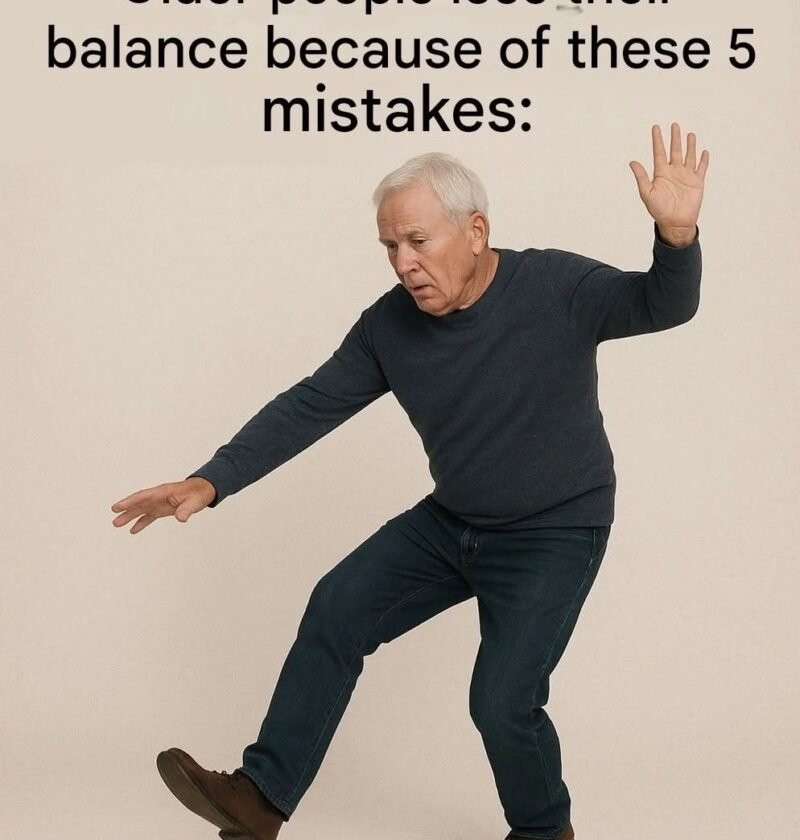
Maintaining balance is essential for preventing falls, which are one of the leading causes of injury among older adults. As we age, changes in vision, inner-ear function, muscle mass, and nerve sensitivity can make stability more challenging.
Here are 5 common mistakes that contribute to balance loss in older adults, along with tips on how to avoid them:
—
### 1. Living a Sedentary Lifestyle
* **The Mistake:** Many older adults mistakenly believe that avoiding physical activity protects them from falls. In reality, a lack of movement leads to rapid muscle atrophy (sarcopenia) and stiffness, particularly in the legs and core.
* **Why It Causes Balance Loss:** Your lower-body muscles—especially your quadriceps, calves, and glutes—are your primary stabilizers. Without regular engagement, these muscles weaken, making it difficult to correct a stumble.
* **How to Fix It:** Incorporate low-impact, strength-building exercises into your routine, such as chair squats, heel raises, or resistance band workouts. Walking regularly also helps maintain overall leg strength.
### 2. Wearing Unsupportive or Improper Footwear
* **The Mistake:** Wearing worn-out sneakers, high heels, backless shoes (like slides or mules), flip-flops, or walking around the house in slippery socks.
* **Why It Causes Balance Loss:** Shoes that lack grip increase the risk of slipping, while shoes with thick, uneven soles can impair your brain’s ability to sense the ground beneath you (proprioception). Walking in socks on hardwood or tile floors is a common culprit for indoor slips.
* **How to Fix It:** Choose supportive, well-fitting shoes with non-skid rubber soles and low heels. Inside the house, opt for slippers with rubber traction soles or wear socks with built-in non-slip grips rather than walking barefoot or in regular socks.
### 3. Ignoring Vision and Hearing Changes
* **The Mistake:** Putting off regular eye exams or failing to update prescription eyeglasses, as well as ignoring mild hearing loss.
* **Why It Causes Balance Loss:** Vision provides crucial spatial cues that tell your brain where your body is in relation to its environment. Furthermore, the inner ear—which houses your vestibular system (your body’s internal gyroscope)—shares a blood supply and close nerve connection with your hearing. Hearing loss has been directly linked in studies to a higher risk of falls and spatial disorientation.
* **How to Fix It:** Get your eyes checked annually and ensure your glasses prescription is up to date. Address hearing issues promptly with professional evaluations and hearing aids if needed.
### 4. Overlooking Medication Side Effects
* **The Mistake:** Taking multiple medications (polypharmacy) without reviewing their combined side effects, especially if you experience sudden dizziness or lightheadedness.
* **Why ItCauses Balance Loss:** Many common prescription and over-the-counter medications—including blood pressure drugs, sedatives, antidepressants, antihistamines, and muscle relaxants—can cause drowsiness, blurred vision, lowered blood pressure upon standing (orthostatic hypotension), or general unsteadiness.
* **How to Fix It:** Regularly review all your medications and supplements with your doctor or pharmacist. Ask specifically if any of your drugs increase fall risk and whether dosages can be adjusted if you feel unsteady.
### 5. Neglecting Home Hazards and Clutter
* **The Mistake:** Assuming your home is completely safe and ignoring minor hazards like loose rugs, electrical cords, or poor lighting.
* **Why It Causes Balance Loss:** Even the best physical balance can be disrupted by unexpected obstacles. Throw rugs, clutter in hallways, lack of grab bars in bathrooms, and dim lighting at night turn ordinary rooms into hidden hazard zones.
* **How to Fix It:** Conduct a room-by-room safety check. Remove loose throw rugs or secure them with heavy-duty double-sided tape, clear pathways of electrical cords, install nightlights in hallways and bathrooms, and add grab bars near the toilet and inside the shower.
—
Would you like some recommendations for safe, beginner-friendly exercises that help improve core stability and lower-body strength?