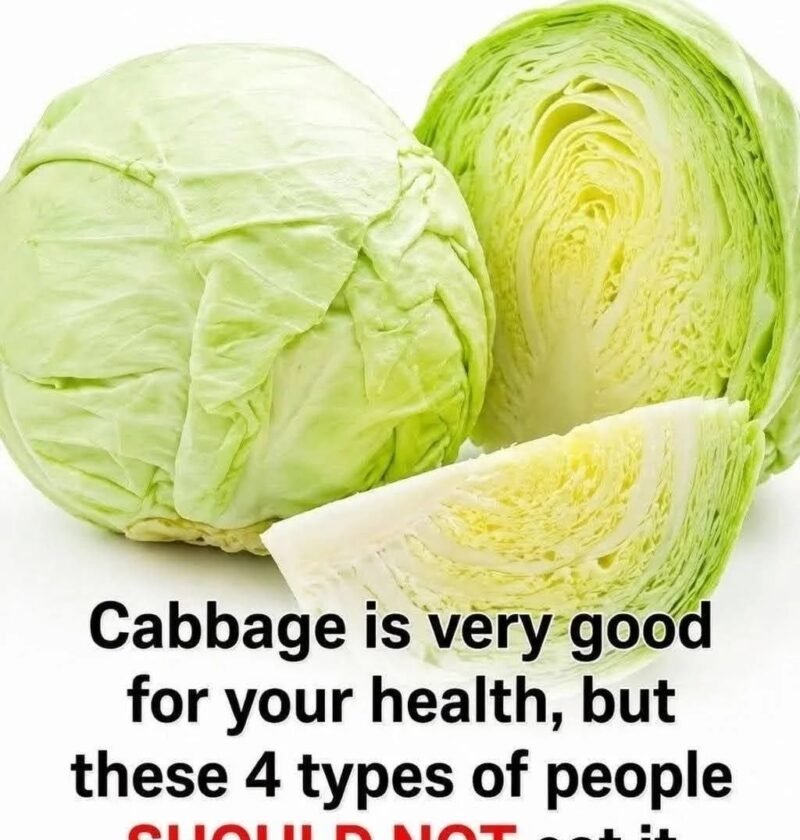
Cabbage is an absolute nutritional powerhouse. Packed with vitamins C and K, powerful sulfur compounds called glucosinolates, and gut-healthy fiber, it supports immune health, digestion, and systemic wellness.
However, despite its stellar reputation in healthy cooking, cabbage is exceptionally potent. Certain health profiles and physiological conditions mean that eating raw or large quantities of cabbage can trigger uncomfortable symptoms or interact with medical treatments.
Here are four types of people who should exercise caution when eating cabbage:
1. Individuals with Irritable Bowel Syndrome (IBS) or Sensitive Stomachs
-
Why to be careful: Cabbage contains fructans—a type of short-chain carbohydrate (FODMAP) that is notoriously difficult for some people to digest. Furthermore, cruciferous vegetables are rich in complex fibers and sulfur.
-
The effect: When undigested fructans reach the large intestine, gut bacteria aggressively ferment them, producing large amounts of gas. For individuals with IBS, Crohn’s disease, or chronic bloating, eating raw or large amounts of cabbage can trigger severe abdominal cramps, painful gas, bloating, and diarrhea.
-
How to adapt: Cooked cabbage is much easier on the digestive system than raw coleslaw or salads because the heat breaks down some of the complex fibers and fermentable sugars.
2. People Taking Blood-Thinning Medications (Anticoagulants)
-
Why to be careful: Cabbage is exceptionally rich in Vitamin K, a crucial nutrient that helps the liver produce factors necessary for blood clotting.
-
The effect: Medications like Warfarin (Coumadin) work by precisely antagonizing Vitamin K to prevent dangerous blood clots. If your Vitamin K intake fluctuates wildly—such as suddenly eating massive bowls of cabbage soup or raw salads—it can directly interfere with your medication dosage, making your blood too thin (increasing bleeding risks) or too thick (increasing clotting risks).
-
How to adapt: You don’t have to banish cabbage completely, but consistency is key. Keep your intake steady and predictable from week to week, and consult your doctor or dietitian before making major changes to your green vegetable consumption.
3. Individuals with Hypothyroidism (Underactive Thyroid)
-
Why to be careful: Raw cruciferous vegetables like cabbage, kale, broccoli, and Brussels sprouts contain compounds called goitrogens.
-
The effect: In high amounts—especially when consumed raw—goitrogens can interfere with the thyroid gland’s ability to absorb iodine, which is essential for producing thyroid hormones. For someone with an underactive thyroid (hypothyroidism) or an iodine deficiency, overconsuming raw cabbage can potentially slow thyroid function further or exacerbate fatigue and weight gain.
-
How to adapt: Cooking cabbage deactivates the enzymes responsible for goitrogenic activity, rendering it much safer for thyroid health. If you love cabbage and have a thyroid condition, ensure it is thoroughly cooked, and keep your iodine intake balanced.
4. People Prone to Kidney Stones (High-Oxalate Sensitivity)
-
Why to be careful: While leafy greens like spinach and Swiss chard are famous for being high in oxalates, certain varieties of cabbage also contain moderate amounts of these naturally occurring plant compounds.
-
The effect: Oxalates can bind with calcium in the urinary tract to form calcium oxalate crystals, which are the primary building blocks of most kidney stones. For individuals with a history of recurrent kidney stones, overloading on high-oxalate vegetables can increase their recurrence risk.
-
How to adapt: Boiling cabbage and discarding the cooking water helps leach out a significant portion of its oxalates, and pairing it with calcium-rich foods can help bind oxalates in the gut before they reach the kidneys.
The Bottom Line
For most healthy adults, cabbage is a phenomenal, cancer-protective, fiber-rich addition to a balanced diet. However, if you fall into one of these sensitive categories, opt for cooked cabbage rather than raw, practice portion moderation, and listen to how your body responds.