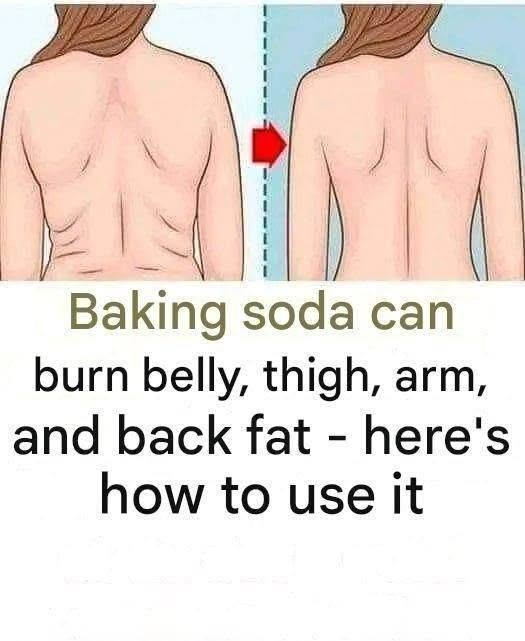
While viral internet trends frequently promote recipes combining baking soda with lemon juice, apple cider vinegar, or water as “miracle fat-burners”, there are no safe or scientifically proven baking soda recipes that burn belly fat.
Here is what you need to know about why these popular recipes do not work for fat loss, alongside the hidden health risks of drinking baking soda and what actually helps reduce belly fat safely.
Why Baking Soda Doesn’t Burn Fat
-
Spot Reduction is a Myth: No food, drink, or supplement can target or melt fat from a specific area of the body (like the belly). Fat loss occurs systemically across the entire body when you maintain a consistent caloric deficit.
-
No Metabolic Mechanism: Baking soda (sodium bicarbonate) is a base used medically as an antacid to neutralize stomach acid. It has zero impact on how your body breaks down, stores, or burns adipose tissue (body fat).
-
The “Fizz” Illusion: When baking soda mixes with acidic ingredients like lemon juice or apple cider vinegar, it creates a chemical reaction that releases carbon dioxide gas, causing burping. While this might temporarily make your stomach feel less bloated or full, it does not burn or eliminate actual body fat.
⚠️ The Health Risks of Drinking Baking Soda
Ingesting baking soda regularly—especially in unmeasured DIY tonic recipes—can be dangerous and lead to serious health complications:
-
Extreme Sodium Overload: Baking soda is exceptionally high in sodium. Drinking it regularly can cause fluid retention, elevate blood pressure, and strain your cardiovascular system.
-
Metabolic Alkalosis: Consuming too much bicarbonate disrupts the body’s delicate pH balance, potentially causing metabolic alkalosis—a dangerous condition resulting in muscle spasms, nausea, confusion, and irregular heart rhythms.
-
Gastrointestinal Distress: Mixing baking soda with acids in a closed stomach can cause severe gas buildup, stomach cramps, vomiting, or, in rare cases, gastric rupture.
Science-Backed Ways to Reduce Belly Fat
Lasting fat loss relies on proven physiological principles rather than quick-fix kitchen trends:
-
Maintain a Sustainable Calorie Deficit: Weight loss happens when you consume slightly fewer calories than your body burns through a combination of balanced nutrition and physical activity.
-
Prioritize Protein and Fiber: Eating adequate protein helps preserve lean muscle mass and keeps you feeling full longer, while soluble fiber (found in oats, flaxseeds, legumes, and Brussels sprouts) specifically helps target visceral (belly) fat.
-
Engage in Resistance Training and Cardio: Combining strength training with aerobic exercise boosts your metabolism and encourages your body to burn stored fat efficiently.
-
Manage Stress and Sleep: High chronic stress releases cortisol, which is directly linked to an increase in visceral fat storage around the abdomen. Aim for 7–9 quality hours of sleep per night.
Are you looking for practical, sustainable strategies to improve your metabolism, or were you curious about a specific wellness trend you saw online