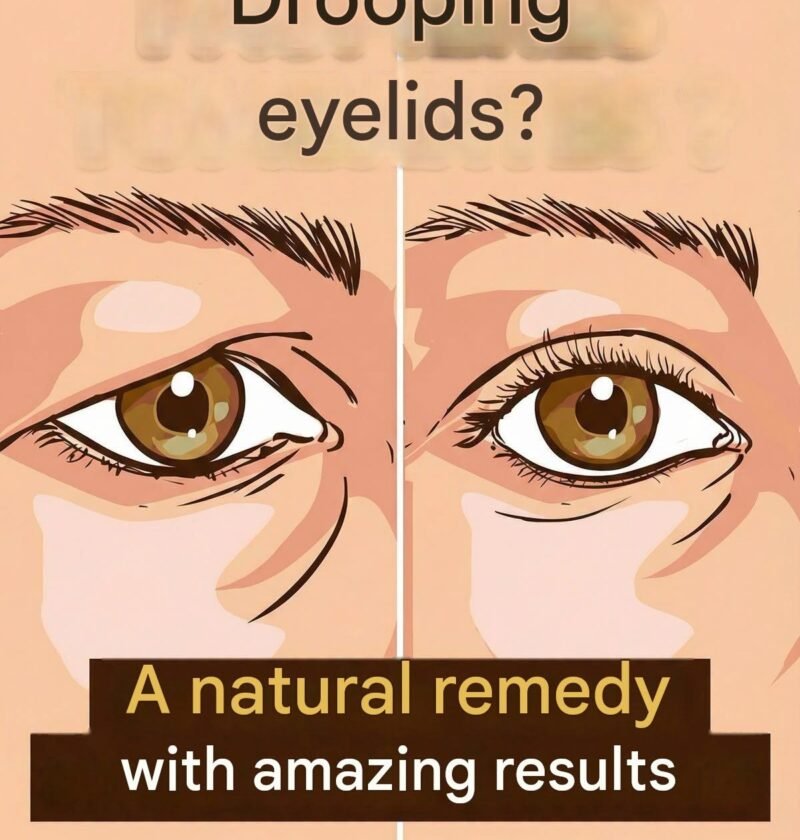
Droopy eyelids—clinically known as ptosis (when it affects the upper eyelid margin) or simply age-related skin laxity (dermatochalasis)—can make you look tired or even interfere with your vision.
While natural remedies cannot reverse structural muscle weakness or severe sagging, certain non-surgical techniques, lifestyle adjustments, and targeted habits can help improve the appearance of mild drooping and support overall eye-area health.
Natural & Home Approaches for Mild Sagging
If your droopiness is mild and primarily caused by temporary puffiness, skin fatigue, or minor loss of elasticity, these approaches can help:
-
Cold Compresses and Chilled Eye Masks:
-
How it helps: Cold temperatures cause blood vessels to constrict, which can instantly reduce puffiness, tighten the skin temporarily, and make the upper eyelids look more lifted and awake.
-
Tip: Keep a metal spoon in the fridge or use chilled cucumber slices or a cold gel mask for 5–10 minutes in the morning.
-
-
Facial Exercises (“Face Yoga”):
-
How it helps: Some people practice facial exercises designed to tone the frontalis (forehead) and orbicularis oculi (eye) muscles.
-
How to try: Place your index fingers under your eyebrows, lift your brows upward against your brow bone, and then try to close your eyes while maintaining that resistance. While evidence is largely anecdotal, consistent facial exercises can sometimes improve underlying muscle tone.
-
-
Hydration and Targeted Skincare:
-
How it helps: The skin around the eyes is the thinnest on the body and loses collagen quickly. Using a firming eye cream containing peptides, hyaluronic acid, or caffeine can plump, hydrate, and temporarily tighten the surface skin, reducing the crinkled look that accentuates drooping.
-
Tip: Always apply eye cream gently by patting with your ring finger—never pull or tug at the delicate skin.
-
-
Manage Allergies and Reduce Inflammation:
-
How it helps: Chronic allergies, sinus congestion, or rubbing your eyes can stretch the delicate eyelid skin over time and cause fluid retention (puffiness) that weighs the lids down. Antihistamines or saline rinses can keep swelling at bay.
-
Temporary Cosmetic Fixes
If you need an immediate lift for a special occasion without surgery:
-
Eyelid Tape or Strips: These are tiny, clear, hypoallergenic adhesive strips placed on the upper eyelid crease to physically hold the excess skin up. They are virtually invisible under makeup and provide an instant, temporary lift.
When to See a Doctor
While minor, symmetrical aging is normal, sudden or severe eyelid drooping requires prompt medical evaluation. You should see a doctor or ophthalmologist if:
-
It happens suddenly: If one eyelid drops rapidly over hours or days, it can be a sign of a neurological issue, a stroke, or a nerve problem.
-
It affects your vision: If the lid sags far enough to block your upper or peripheral field of vision (causing you to constantly tilt your head back to see), medical treatment or surgery (blepharoplasty or ptosis repair) may be necessary.
-
It is accompanied by other symptoms: Seek medical attention immediately if drooping is accompanied by double vision, weakness in your limbs, slurred speech, severe headaches, or pain.
Are you noticing a gradual change in your eyelids as part of natural aging, or did this happen rather suddenly