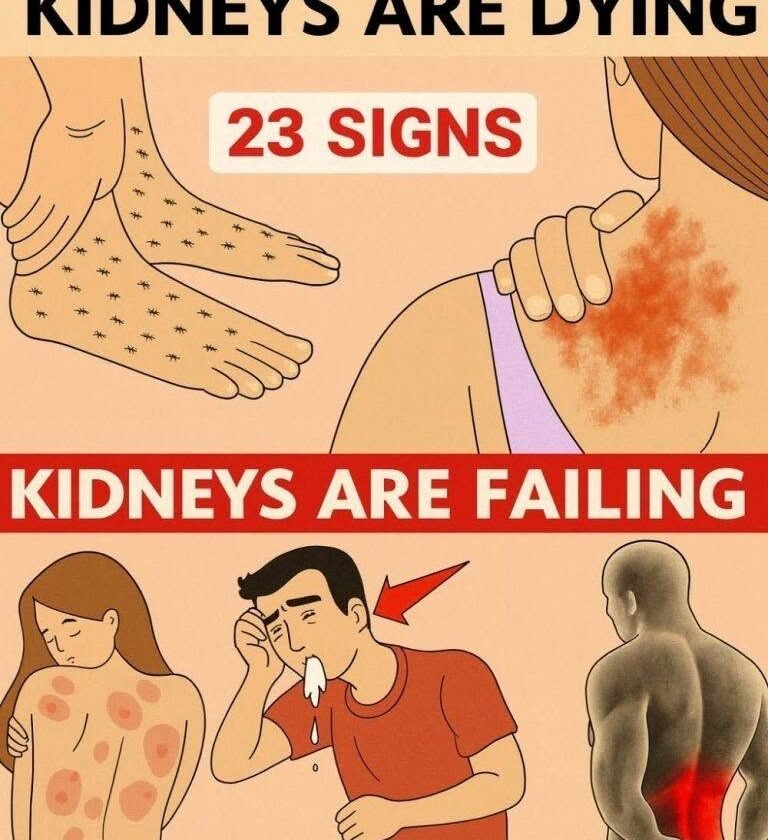
The headline “23 Strange Signs Your Kidneys Might Be in Trouble” is a classic piece of online alarmism. To stretch the list all the way to 23 items, clickbait articles typically lump together dozens of completely unrelated everyday inconveniences—like a twitching eyelid, a mild headache, dry elbows, or feeling tired on a Monday afternoon—and attribute them all to impending organ failure.
In clinical reality, early kidney disease is notoriously “silent”. The kidneys have a massive functional reserve, meaning they can lose a significant amount of their filtering capacity before you notice any physical symptoms at all.
When your kidneys do experience genuine distress or declining function, they communicate through specific, measurable physiological changes—not vague quirks.
The Genuine Medical Signs of Kidney Trouble
Instead of looking for 23 strange or obscure bodily mysteries, nephrologists focus on a core set of reliable warning signs that indicate your kidneys are struggling to filter waste or regulate fluid and mineral balance:
-
Changes in Urination Patterns:
-
What it means: Needing to get up multiple times during the night to urinate (nocturia), or noticing a sudden decrease in urine output, can signal that the kidneys’ concentrating ability is impaired.
-
-
Foamy or Bubbly Urine:
-
What it means: If your urine consistently looks like scrambled egg foam and requires multiple flushes, it can indicate proteinuria—meaning the kidneys’ filters (glomeruli) are damaged and leaking large amounts of protein (albumin) into the urine.
-
-
Persistent Swelling (Edema):
-
What it means: Failing kidneys cannot efficiently remove extra fluid and sodium from your bloodstream. This fluid retention often shows up as persistent puffiness around your eyes in the morning, or swollen ankles, feet, and hands by evening.
-
-
Unexplained, Deep Fatigue:
-
What it means: Healthy kidneys produce a hormone called erythropoietin (EPO), which tells your body to make oxygen-carrying red blood cells. When kidney function drops, EPO production falls, leading to anemia, which causes persistent, heavy exhaustion that sleep doesn’t fix.
-
-
Dry, Intensely Itchy Skin:
-
What it means: When kidneys fail to maintain the proper balance of minerals and nutrients in your blood (specifically an accumulation of phosphorus and calcium), it can cause severe, deep-seated skin itching that standard moisturizers won’t touch.
-
Why Clickbait Lists Can Be Dangerous
The problem with sensationalized lists of “strange signs” is twofold:
-
The False Alarm: They cause healthy people with dry skin or a poor night’s sleep to panic over imaginary organ failure.
-
The Hidden Danger: Conversely, because early kidney disease causes zero symptoms for many people, waiting around for a “strange sign” from an internet list can cause someone with actual risk factors to ignore the condition until it is advanced.
The Real Way to Protect Your Kidneys
If you want to know the true state of your kidneys, you don’t need to scan your body for 23 weird symptoms. You simply need two standard, inexpensive tests your doctor can run during a routine checkup:
-
A Blood Test (eGFR / Creatinine): Estimates how well your kidneys are filtering your blood.
-
A Urine Test (ACR): Checks specifically for microscopic protein leakage long before physical symptoms appear.
Managing blood pressure and keeping blood sugar stable are your absolute best defenses for lifelong kidney health.