Showing 2,093 Result(s)
Blog

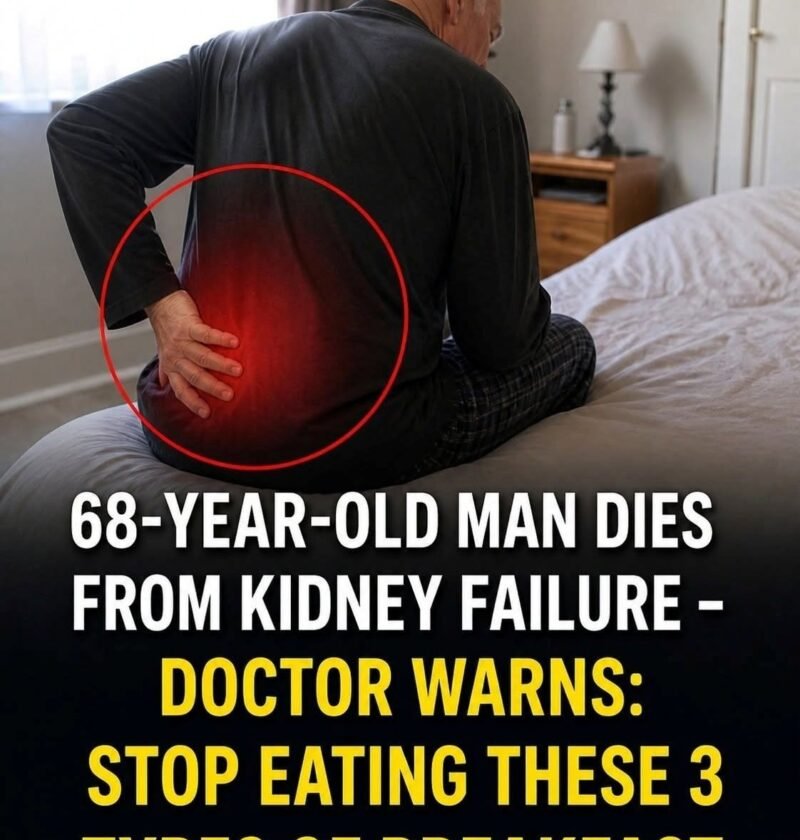
While a quick morning meal is often thought of simply as a way to fuel your day, certain breakfast habits can slowly place a heavy workload on your renal system. Over time, diets high in specific components can contribute to hypertension, high blood sugar, and chronic inflammation—the leading drivers of kidney decline. Nephrologists and medical experts point out **3 common types of breakfasts** that can quietly harm your kidneys over time: — ### 1. The High-Sodium, Ultra-Processed Breakfast (Sausage, Bacon, and Cured Meats) * **Why it harms your kidneys:** Traditional breakfast meats like bacon, breakfast sausage, and cured ham are loaded with **high amounts of sodium and chemical preservatives (like phosphates)**. Excessive sodium forces your body to retain water, driving up blood pressure. High blood pressure puts immense, constant strain on the delicate, microscopic blood vessels (nephrons) inside your kidneys responsible for filtering waste. Furthermore, inorganic food phosphates added to processed meats are absorbed very efficiently by the gut, and high blood phosphate levels are directly linked to accelerated kidney damage and bone disease in chronic kidney disease. * **The Kidney-Friendly Shift:** Swap processed meats for fresh, unrefined protein sources like eggs, plain Greek yogurt, or plant-based proteins seasoned with herbs and spices instead of salt. ### 2. The Refined Sugar and Pastry Breakfast (Doughnuts, Muffins, and Sugary Cereals) * **Why it harms your kidneys:** Starting your day with sugary pastries, sweet cereals, or white-flour pancakes causes a rapid spike in blood glucose and insulin. Over time, chronically elevated blood sugar damages the filtering units of the kidneys—a condition known as diabetic nephropathy. In fact, diabetes is the leading cause of kidney failure worldwide. Additionally, refined sugars contribute to obesity and systemic inflammation, both of which degrade vascular and renal health. * **The Kidney-Friendly Shift:** Choose complex, fiber-rich carbohydrates that release energy slowly, such as steel-cut oats, whole-grain toast with avocado, or berries paired with protein to keep blood sugar stable. ### 3. The Trans-Fat and Heavy Fried Breakfast (Fast-Food Breakfast Sandwiches and Hash Browns) * **Why it harms your kidneys:** Fast-food breakfast platters, deep-fried hash browns, and margarine-heavy pastries are often packed with saturated and trans fats. These unhealthy fats elevate LDL (“bad”) cholesterol and triglycerides, contributing to plaque buildup in your arteries (atherosclerosis). When arteries narrowing includes the renal arteries that supply blood to your kidneys, renal blood flow drops, depriving the kidneys of vital oxygen and accelerating functional decline. * **The Kidney-Friendly Shift:** Prepare breakfast at home using heart-healthy fats in moderation, such as extra virgin olive oil or small amounts of avocado, and bake or air-fry potato sides instead of deep-frying them. — > **The Big Picture:** Your kidneys are workhorse filtration systems that quietly process everything you consume. Protecting them over the long haul comes down to keeping blood pressure and blood sugar tightly controlled by limiting hidden sodium, refined sugars, and inflammatory fats. Are you looking to revamp your morning routine to support long-term metabolic and kidney health?

While a quick morning meal is often thought of simply as a way to fuel your day, certain breakfast habits can slowly place a heavy workload on your renal system. Over time, diets high in specific components can contribute to hypertension, high blood sugar, and chronic inflammation—the leading drivers of kidney decline. Nephrologists and medical …

Blog

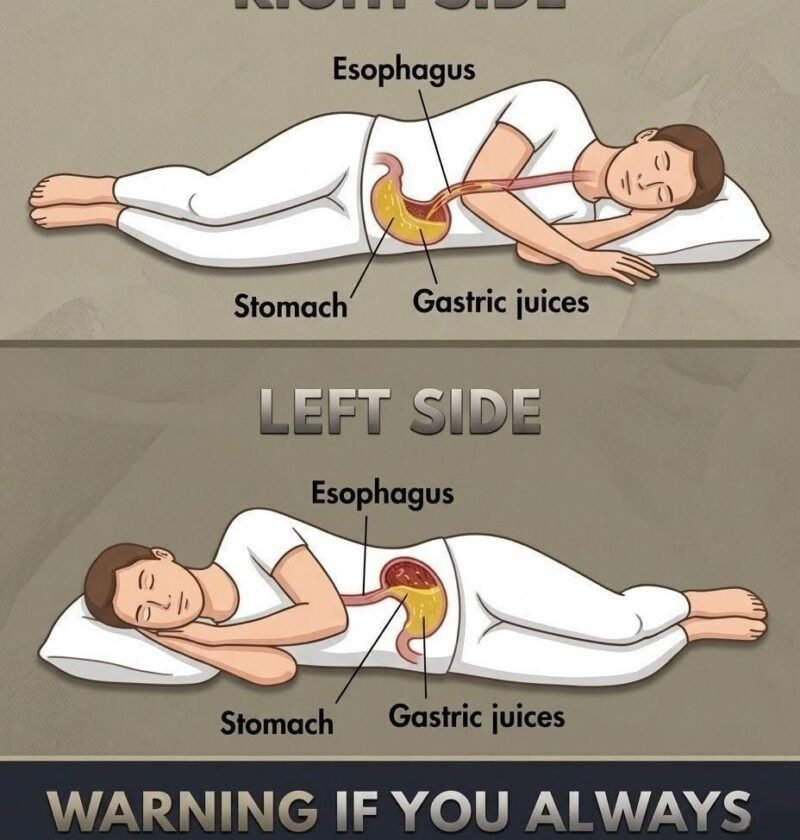
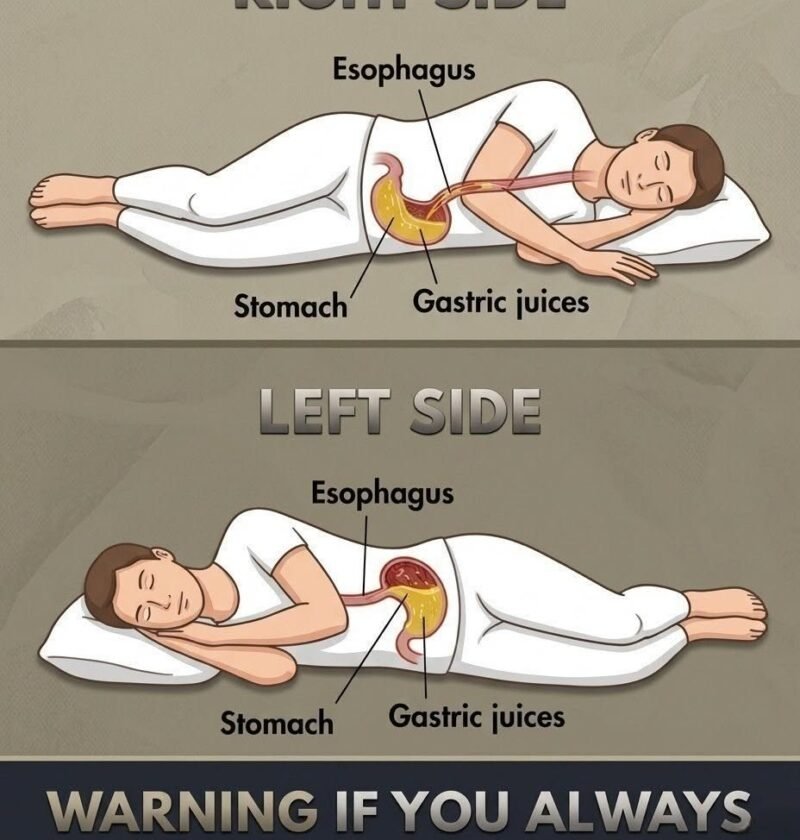
…**awareness of how it can impact your digestive health, particularly regarding acid reflux and heartburn.** Because of the natural asymmetry of your internal anatomy, your stomach sits slightly to the left side of your abdomen, and the junction where your esophagus meets your stomach is positioned below the level of gastric acid when you lie on your right side. * **The Problem:** This position allows gravity to work against you, making it much easier for stomach acid to leak upward into your esophagus—especially if you have eaten within a few hours of going to bed. * **The Solution:** If you frequently wake up with a sour taste, throat irritation, or a burning sensation in your chest, health experts recommend shifting to your **left side** (which keeps the stomach lower than the esophagus) or elevating the head of your bed by about 6 inches. Do you frequently experience nighttime heartburn, or are you exploring how different sleeping postures affect your body?

…awareness of how it can impact your digestive health, particularly regarding acid reflux and heartburn. Because of the natural asymmetry of your internal anatomy, your stomach sits slightly to the left side of your abdomen, and the junction where your esophagus meets your stomach is positioned below the level of gastric acid when you lie …

Blog

…**unexpected side effects—particularly when consumed in large amounts or by individuals with specific health conditions.** While ginger is widely celebrated for its powerful anti-inflammatory, immune-boosting, and anti-nausea properties, doctors and medical researchers point out that excessive consumption or concentrated supplements can lead to several distinct physiological effects: — ### 1. Heartburn and Acid Reflux * **The Effect:** While small amounts of ginger can aid digestion, consuming high doses or very spicy, raw ginger can actually trigger or worsen acid reflux. Its active compounds can stimulate stomach acid production or relax the lower esophageal sphincter, allowing gastric acid to slip upward and cause a burning sensation. ### 2. Increased Risk of Bleeding * **The Effect:** Ginger contains natural chemical properties (salicylates) that act as mild blood thinners by inhibiting platelet aggregation. While helpful for general circulation in moderation, high doses can increase the risk of bruising or excessive bleeding—especially for individuals taking anticoagulant medications (like warfarin or aspirin) or those scheduled for surgery. ### 3. Lowered Blood Pressure and Dizziness * **The Effect:** Ginger has natural vasodilating properties that help lower blood pressure. However, for people already diagnosed with hypotension or those taking blood pressure-lowering medications, excessive ginger can cause blood pressure to drop too sharply, leading to dizziness, fatigue, or fainting. ### 4. Gastrointestinal Distress (Gas, Bloating, and Diarrhea) * **The Effect:** When eaten in raw, highly concentrated, or excessive quantities, ginger can intensely stimulate digestive enzymes and gut motility. In sensitive stomachs, this rapid transit and strong enzymatic activity can result in stomach cramps, gas, loose stools, or irritation of the stomach lining. ### 5. Blood Sugar Fluctuations * **The Effect:** Because ginger can improve insulin sensitivity and help lower blood sugar, individuals managing diabetes must monitor their intake. Combined with diabetes medications or insulin, high amounts of ginger can occasionally cause blood glucose to drop too low (hypoglycemia). — > **The Medical Takeaway:** Incorporating a slice of ginger into tea or using it as a culinary spice is generally safe and very healthy for most people. However, doctors advise caution with high-dose ginger supplements, extracts, or raw-root overconsumption if you have a bleeding disorder, take blood thinners, have gallstones, or take blood pressure medications. Are you thinking about using ginger for a specific wellness routine, or checking how it might interact with your current habits?

…unexpected side effects—particularly when consumed in large amounts or by individuals with specific health conditions. While ginger is widely celebrated for its powerful anti-inflammatory, immune-boosting, and anti-nausea properties, doctors and medical researchers point out that excessive consumption or concentrated supplements can lead to several distinct physiological effects: 1. Heartburn and Acid Reflux The Effect: While …

Blog

5 Exercises That Could Harm You in Old Age

While physical activity is vital for maintaining strength, balance, and independence as we age, not all exercises are created equal. As our joints lose cartilage elasticity, bone density fluctuates, and spinal discs wear down, certain high-impact or high-risk movements can transition from being beneficial to actively harmful. Fitness and geriatric health experts point out that …