Showing 2,093 Result(s)
Blog

Exploring the 10 Metoprolol Side Effects That Are Often Overlooked in Conversations

When discussing beta-blockers like Metoprolol with patients, doctors usually focus on the primary cardiac benefits—slowing the heart rate, reducing the heart’s workload, and lowering blood pressure. However, because beta-receptors are located throughout the entire body (not just the heart), blocking them can trigger a wide array of secondary or systemic effects. While many patients are …

Blog

Metoprolol: What They Don’t Tell You – 10 Side Effects That Could Catch You Off Guard!

When doctors prescribe Metoprolol—a commonly used beta-blocker for high blood pressure, chest pain (angina), or heart failure—they typically discuss the main goals: lowering your heart rate and protecting your cardiovascular system. However, patients are often caught off guard by some of the secondary or systemic side effects that come with blocking adrenaline receptors throughout the …

Blog

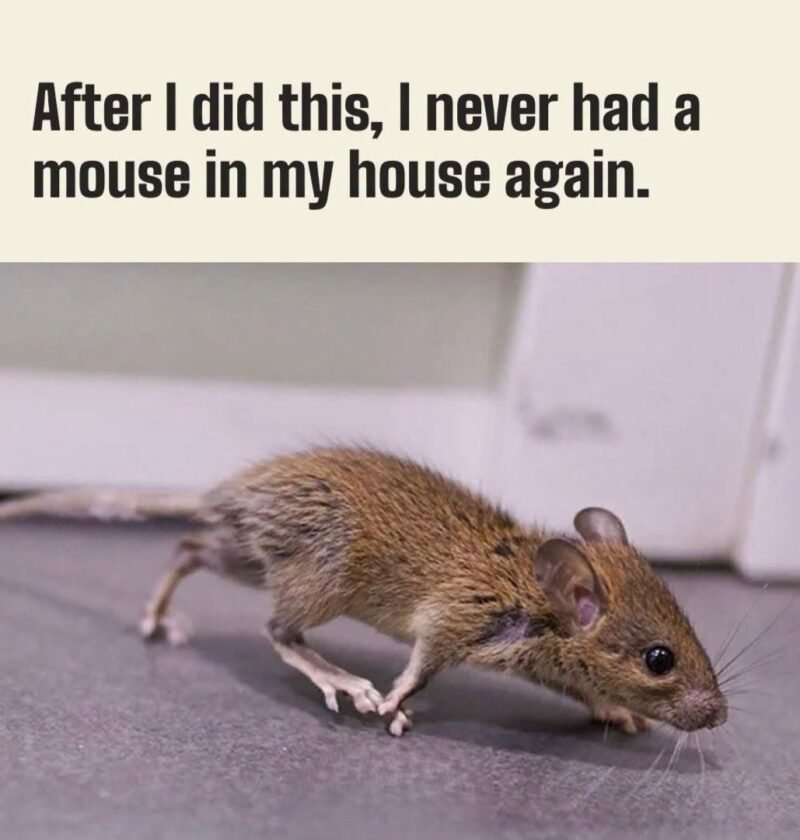
The most effective approach to keeping mice out involves a combination of **physical exclusion** and **strong natural deterrents**. Because mice have an incredible sense of smell and can squeeze through spaces as small as a dime, quick tricks alone usually aren’t enough if they are determined to get in. The most reliable strategy to keep them away combines a few key methods: ### 1. The Ultimate Physical Block: Steel Wool * **Why it works:** Mice can chew through wood, plastic, rubber, and drywall, but they cannot chew through steel wool because it tears up their mouths and they can’t get a grip on it. * **How to use it:** Inspect your home for any gaps, cracks, holes around pipes, or spaces under doors/cabinets. Pack **coarse steel wool** tightly into these openings, and seal it over with caulk or expanding foam so they can’t push it out. ### 2. Scent Deterrents (Temporary Barriers) Mice rely heavily on their sense of smell and hate intense, pungent aromas. While smells won’t clear out an active infestation on their own, they are great for discouraging mice from exploring certain areas. * **Peppermint Oil:** Soak cotton balls in pure peppermint oil and place them under sinks, near entry points, or in dark corners. (You have to refresh this every week or two as the scent fades). * **Bay Leaves or Cloves:** Scattering crushed bay leaves or whole cloves in pantries or tight spaces can also help deter them, as they dislike the sharp herbal fragrance. ### 3. Cut Off Their Food and Water Supply If a mouse smells food, a strong scent repellent won’t be enough to keep it away. * **Secure Pantry Items:** Transfer cereal, flour, grains, and snacks into **hard plastic, glass, or metal containers** that teeth can’t penetrate. Cardboard boxes are an easy target. * **Clean Up Crumbs:** Wipe down counters, sweep floors daily, and don’t leave pet food out overnight. Are you currently seeing signs of mice in a specific area like the kitchen, garage, or attic? Let me know, and we can tailor the approach!

The most effective approach to keeping mice out involves a combination of physical exclusion and strong natural deterrents. Because mice have an incredible sense of smell and can squeeze through spaces as small as a dime, quick tricks alone usually aren’t enough if they are determined to get in. The most reliable strategy to keep …