7 “Blood-Thinning” Foods You Should Know About
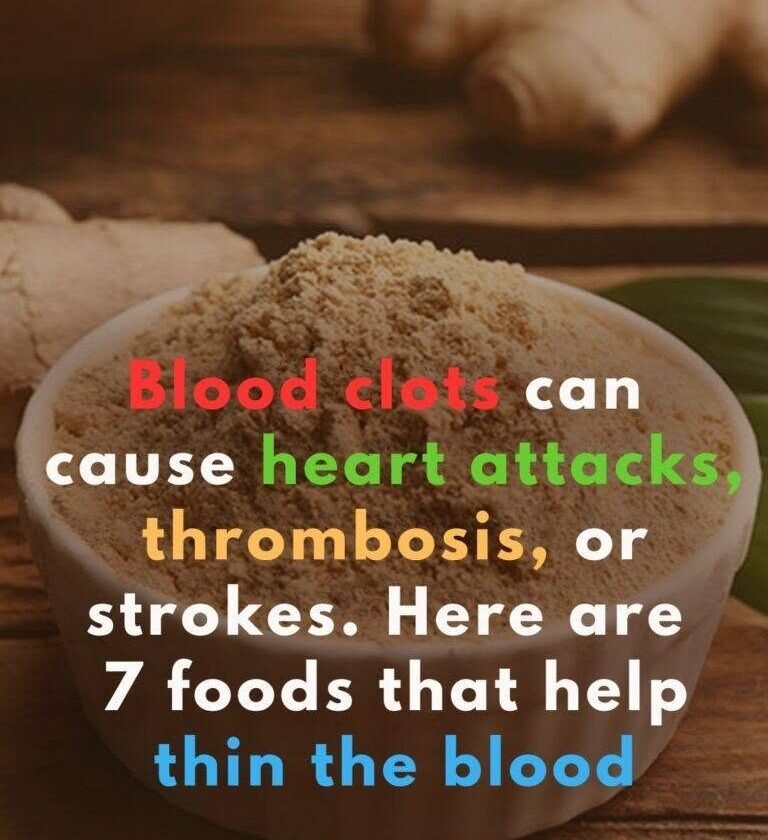
The phrase “blood-thinning foods” can be misleading. Foods don’t work like prescription anticoagulants, and there isn’t good evidence that eating particular foods can safely replace medication used to prevent or treat blood clots.
Some foods and dietary components have been studied for effects on platelets, clotting, or cardiovascular health, including:
- Garlic — compounds in garlic may affect platelet activity, although food amounts aren’t equivalent to an anticoagulant.
- Ginger — laboratory and limited human research suggests possible effects on platelet aggregation.
- Turmeric — curcumin has been studied for effects on inflammation and platelet function, but evidence isn’t strong enough to use it as a blood thinner.
- Fatty fish — salmon, sardines, and similar fish provide omega-3 fats and fit well into a heart-healthy diet.
- Berries — provide polyphenols and other compounds associated with cardiovascular health.
- Nuts and seeds — provide unsaturated fats and other nutrients beneficial as part of an overall healthy diet.
- Cocoa/dark chocolate — cocoa contains flavanols that have been studied for cardiovascular effects, although chocolate isn’t a treatment for blood clots.
The strongest evidence supports an overall heart-healthy dietary pattern—plenty of vegetables and fruits, whole grains, healthy protein sources, and unsaturated fats—rather than relying on a particular “blood-thinning” food. (professional.heart.org)
⚠️ Especially important if you take a blood thinner
If you’re taking warfarin, suddenly changing your intake of vitamin-K-rich foods such as spinach, kale, broccoli, and other leafy greens can alter the medication’s effect. You generally don’t need to eliminate these foods; the important point is keeping your vitamin K intake reasonably consistent. (mayoclinic.org)
Garlic, ginger, ginkgo, vitamin E, fish oil, and several other supplements can also interact with anticoagulants or increase bleeding risk. (mayoclinic.org)
Bottom line: Eat these foods as part of a balanced diet, but don’t use them to replace prescribed blood-thinning medication or deliberately combine large amounts of them with anticoagulants without medical advice.