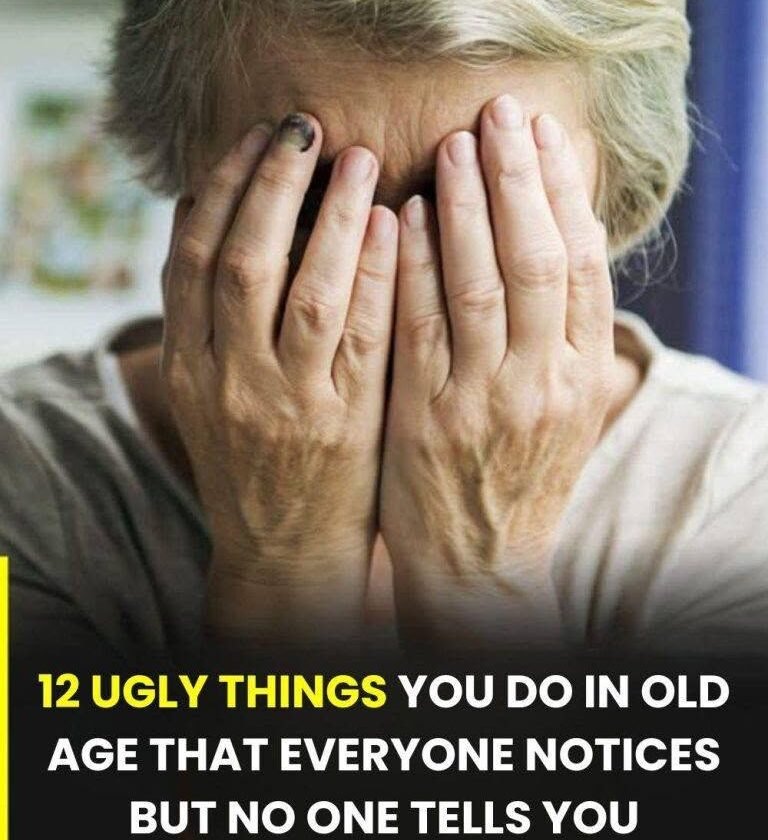
That headline—“12 nasty things you do in old age that everyone notices, but no one dares to tell you”—is peak internet cruelty disguised as social advice. It preys on deep-seated insecurities about aging, physical decline, and social isolation, weaponizing fear of judgment to drag readers into a shame-inducing slideshow.
While bodies and sensory perceptions change as we grow older, framing natural physiological shifts as “nasty” social failures is both inaccurate and unkind.
Let’s look at the actual science behind the most common age-related shifts that spark these kinds of tactless internet claims—and why understanding them replaces judgment with empathy.
The Physiological Realities Behind Age-Related Shifts
Many of the changes people notice in older adults aren’t bad habits or lack of hygiene; they are direct results of how our sensory systems and metabolism evolve:
-
Olfactory Decline (Changes in Sense of Smell):
-
The Reality: As we age, the nerve endings in our nasal passages and the brain’s processing centers for smell naturally lose sensitivity (presbyosmia). Older adults may not realize they are wearing stronger perfume, using more garlic in cooking, or failing to notice minor household odors simply because their own internal smoke detector (their nose) isn’t as sharp as it used to be.
-
-
Skin and Sebaceous Gland Changes:
-
The Reality: Oil-producing glands in the skin become less active with age, leading to drier skin. At the same time, older adults often use different skincare products, specialized barrier creams, or ointments for joint pain or dryness, which have distinct scents that younger family members might not be used to.
-
-
Changes in Taste Buds and Dietary Habits:
-
The Reality: Taste buds decrease in number and sensitivity over time, particularly for salty and sweet flavors. This is why older adults might heavily season their food or prefer certain comforting textures. What seems unusual to a visitor is often just an adaptation to a muted palate.
-
-
Mobility and Environmental Maintenance:
-
The Reality: Keeping a home pristine requires significant physical stamina, balance, and fine motor skills. When joints ache from arthritis or energy wanes due to chronic fatigue, deep-cleaning tasks become genuinely exhausting. Clutter or deferred home maintenance is often a reflection of physical limits, not a personal failing.
-
Cultivating Empathy Over Judgment
Instead of looking at aging through a lens of harsh social criticism, modern gerontology emphasizes understanding and supportive connection. Sensory accommodations—like gentle, honest communication if someone is wearing too much fragrance, or offering a helping hand with heavy household chores—go infinitely further than anonymous clickbait shaming.