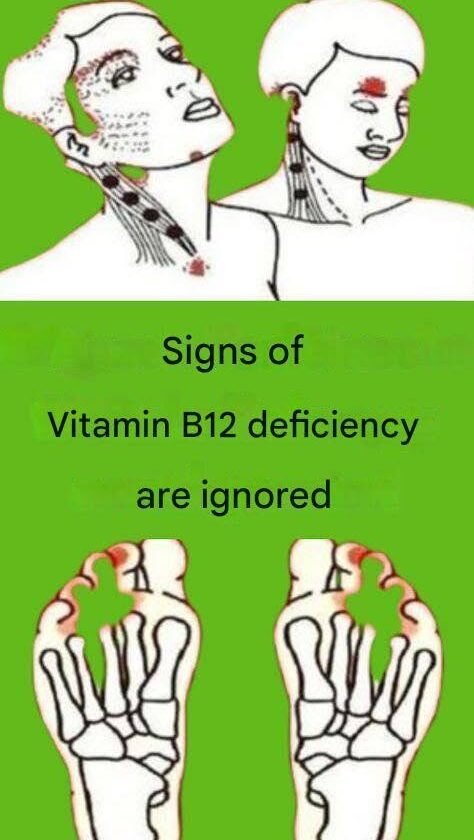
Signs of Vitamin B12 Deficiency That Are Easy to Ignore
Vitamin B12 deficiency can develop gradually, and you don’t necessarily have anemia before neurological symptoms appear. Recognizing it matters because prolonged deficiency can cause nerve damage that may become permanent.
10 possible signs
- Persistent fatigue or weakness
- Numbness or tingling in the hands or feet
- Balance problems or difficulty walking
- Memory or concentration problems (“brain fog”)
- Pale skin
- A sore, smooth, or red tongue
- Reduced appetite or unexplained weight loss
- Dizziness or headaches
- Mood changes, including irritability or depression
- Vision problems in more significant deficiency.
Who is more likely to be deficient?
Risk is higher with a strict vegan diet, problems absorbing B12, certain stomach or intestinal surgeries, pernicious anemia, and long-term use of medicines such as metformin or some acid-reducing medications. Older adults can also have difficulty absorbing B12 from food.
🩸 How to know for sure
Symptoms aren’t specific to B12 deficiency. A healthcare professional can check blood B12 (or active B12) and, when needed, additional tests such as methylmalonic acid (MMA). Importantly, a person can have B12 deficiency without anemia or enlarged red blood cells.
If you have new numbness, balance problems, weakness, or cognitive changes, don’t simply assume they’re part of aging. Get evaluated, because treating B12 deficiency promptly gives the best chance of preventing lasting nerve damage.