What’s actually new?
🩸 Blood tests: A blood-based screening test called Shield is now an FDA-approved option for average-risk adults. The American Cancer Society’s 2026 guidelines include blood testing, but do not consider it a preferred option because it is less effective at detecting precancerous growths and some early cancers.
🧪 New stool tests: At-home stool tests, including newer multi-target DNA/RNA tests, provide another non-invasive screening option. They can be done without a colonoscope, but a positive result still requires a colonoscopy.
🔬 Experimental tests: A study reported in August 2026 described an experimental blood test that detected 92% of stage I–III colorectal cancers and 81% of advanced adenomas in a study of more than 1,500 people. That’s promising, but researchers say larger studies are needed.
Why colonoscopy still matters
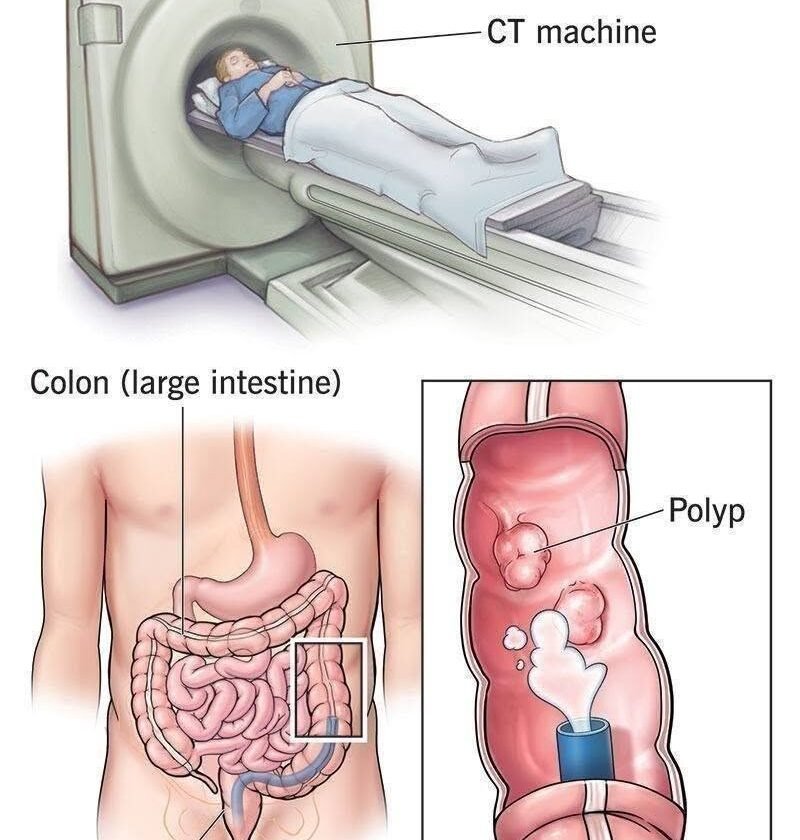
Colonoscopy has an important advantage: doctors can find and remove precancerous polyps during the same procedure. Blood and stool tests can identify people who may need further investigation, but they can’t remove a polyp. The American Gastroenterological Association continues to describe colonoscopy as the strongest screening option.
So the more accurate headline would be:
“New Blood and Stool Tests Could Reduce the Need for Some Colonoscopies—But Colonoscopy Remains the Gold Standard.”
And importantly, don’t cancel a recommended colonoscopy solely because you saw this headline. If you’re considering a less-invasive screening option, discuss which test is appropriate for your age, risk factors, symptoms, and previous screening history.