The headline “10 Early Warning Signs of a Stroke Everyone Should Know to Take Prompt Action” is designed with a sense of urgency, but unlike the pure clickbait myths we’ve debunked, stroke awareness is one area where knowing the real warning signs can literally save a life.
However, clickbait articles often muddy the waters by mixing genuine neurological emergencies with vague everyday annoyances—like a mild headache, a twitching eyelid, or general fatigue—making it hard to recognize a true medical crisis.
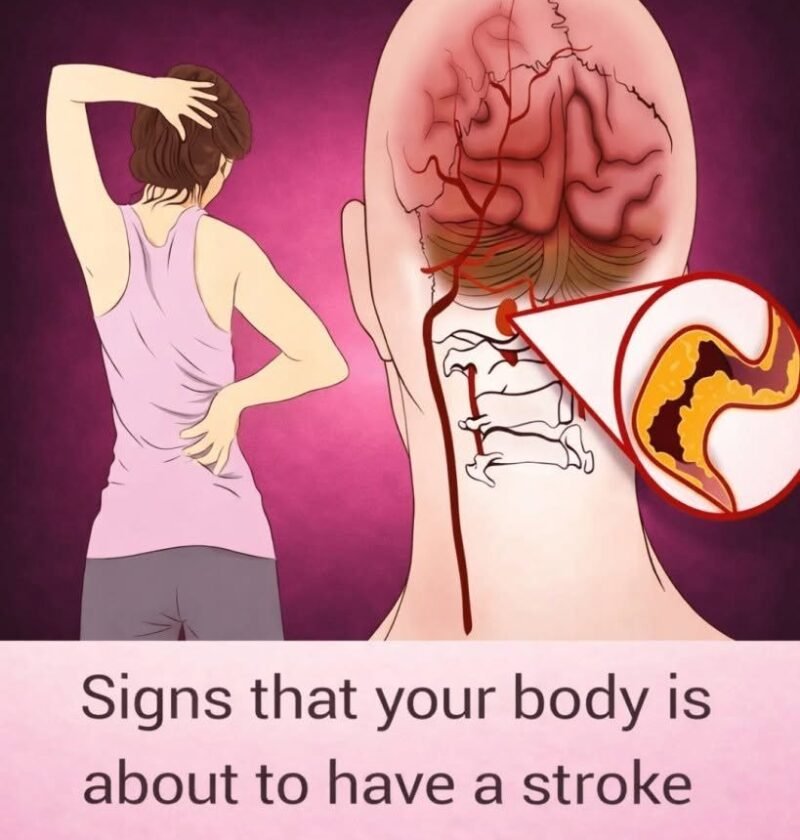
In clinical neurology, a stroke is a true medical emergency: either a blood vessel supplying the brain is blocked (ischemic) or it bursts (hemorrhagic), cutting off oxygen to vital brain tissue. Because brain cells die rapidly without oxygen, recognizing the real, core signs of a stroke immediately is critical.
The Recognized Standard: FAST
To make stroke recognition simple and fast in high-pressure moments, emergency medical professionals rely on the FAST acronym. It captures the most common, reliable early warning signs of a stroke:
-
F – Face Drooping: Does one side of the face droop, or is it numb? If the person smiles, is the smile uneven or lopsided?
-
A – Arm Weakness: Is one arm weak or numb? If the person tries to raise both arms, does one drift downward?
-
S – Speech Difficulty: Is their speech slurred? Are they unable to speak, or are they hard to understand? Ask them to repeat a simple sentence (e.g., “The grass is green”).
-
T – Time to Call Emergency Services: If you observe any of these signs—even if they go away—call emergency services immediately. Note the exact time the symptoms first appeared, as this dictates what emergency treatments doctors can administer.
Other Critical Warning Signs of a Stroke
Beyond the FAST acronym, a sudden stroke can present through other specific neurological deficits depending on which part of the brain is affected:
-
Sudden Confusion: Trouble understanding speech, sudden disorientation, or difficulty processing thoughts.
-
Sudden Vision Changes: Sudden trouble seeing in one or both eyes, double vision, or a dark blur in your field of vision.
-
Sudden Trouble Walking, Dizziness, or Loss of Balance: Sudden unsteadiness, a feeling of spinning (vertigo), or sudden loss of coordination.
-
Sudden Severe Headache: A blinding, “worst headache of your life” with no known cause, which is particularly characteristic of a hemorrhagic stroke (bleeding in the brain).
Why Prompt Action Matters
When a stroke occurs, millions of neurons are lost every minute. Recognizing these distinct signs and acting instantly to get a patient to a hospital allows medical teams to administer clot-busting medications or perform procedures to restore blood flow, drastically improving the chances of recovery and reducing long-term disability.