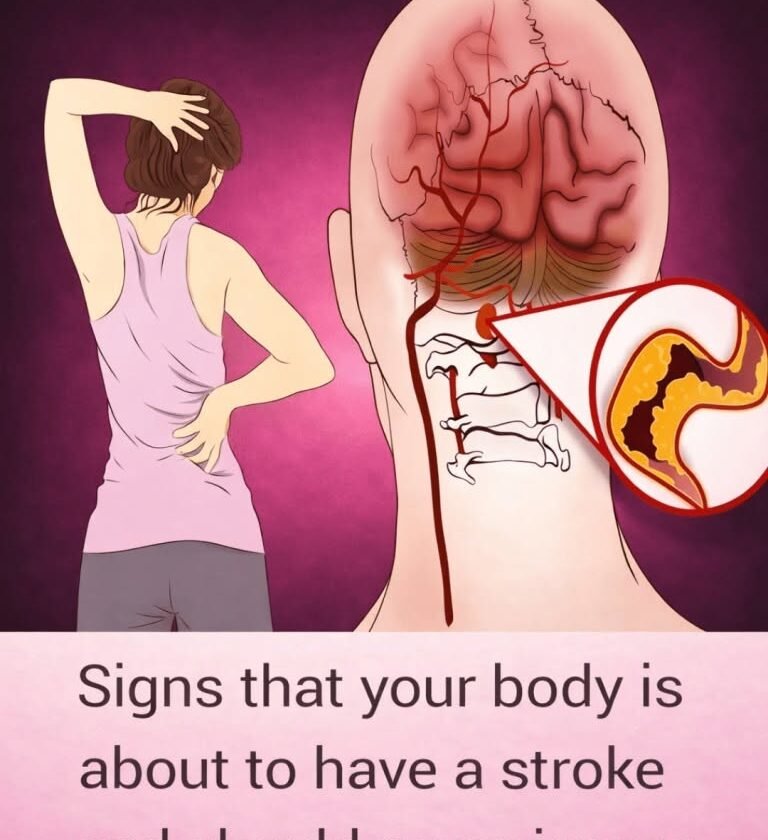
Recognizing a stroke early is critical because prompt medical intervention can drastically reduce brain damage, long-term disability, and the risk of fatal complications. While a Transient Ischemic Attack (TIA) is a temporary “mini-stroke,” a full stroke occurs when blood flow to part of the brain is permanently blocked or a blood vessel bursts.
Ten early warning signs of a stroke that everyone should know include:
1. Sudden Facial Drooping or Numbness
-
What it looks like: One side of the face suddenly droops or feels numb. If you ask the person to smile, the smile is uneven or one corner of the mouth refuses to lift.
-
Why it happens: Sudden lack of blood flow to the specific area of the motor cortex controlling facial muscles.
2. Sudden Weakness or Numbness in One Arm or Leg
-
What it looks like: Sudden loss of strength, heaviness, or complete numbness down one entire side of the body. A person might struggle to lift both arms evenly, or find that one arm drifts downward involuntarily.
-
Why it happens: Damage to the brain’s hemisphere that controls movement on the opposite side of the body.
3. Slurred, Garbled, or Inappropriate Speech
-
What it looks like: Speech becomes slurred, thick, or difficult to understand. The person may struggle to find the right words, repeat themselves, or talk in confusing, jumbled sentences.
-
Why it happens: Disruption in the brain’s language centers (such as Broca’s or Wernicke’s areas).
4. Sudden Confusion or Trouble Understanding Speech
-
What it looks like: The person suddenly seems disoriented, blank, or unable to comprehend simple questions or commands given to them.
-
Why it happens: Cognitive processing regions of the brain are starved of oxygen.
5. Sudden Vision Changes in One or Both Eyes
-
What it lookslike: A sudden blurring, double vision, blacking out, or partial loss of sight in one or both eyes—often described as a shade or curtain falling over the field of vision.
-
Why it happens: Interruption of blood flow to the brain’s visual cortex or optic pathways.
6. Sudden Loss of Balance, Coordination, or Dizziness
-
What it looks like: A sudden, unexplained loss of balance, stumbling, unsteadiness, or a severe spinning sensation (vertigo) that makes walking or standing impossible.
-
Why it happens: Disruption in the cerebellum, the brain structure responsible for balance and motor coordination.
7. Sudden, Unusually Severe Headache
-
What it looks like: A blinding, intensely painful headache that strikes completely out of nowhere—often described as the “worst headache of your life”—sometimes accompanied by neck stiffness, vomiting, or altered consciousness.
-
Why it happens: This is a classic hallmark sign of a hemorrhagic stroke (caused by a burst blood vessel bleeding into or around the brain).
8. Sudden Difficulty Swallowing (Dysphagia)
-
What it looks like: An unexpected struggle to swallow saliva, water, or food, often leading to drooling or coughing when trying to drink.
-
Why it happens: Nerve signals controlling the throat and swallowing muscles are abruptly impaired.
9. Sudden Unexplained Nausea or Vomiting
-
What it looks like: A sudden wave of queeziness, stomach upset, or vomiting that occurs without any apparent cause like food poisoning or a stomach bug.
-
Why it happens: Increased pressure within the skull (common in hemorrhagic strokes) or disruption to the brainstem.
10. Sudden Brief Loss of Consciousness or Fainting
-
What it looks like: A sudden blackout, fainting spell, or a brief period of unresponsiveness.
-
Why it happens: Severe compromise to areas of the brainstem or widespread disruption of electrical activity.
🚨 Remember the FAST Test:When seconds count, use the FAST acronym to spot the most common stroke signs and take immediate action: