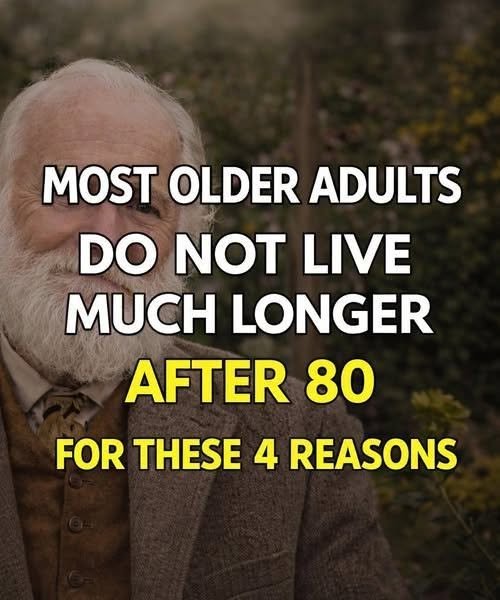
While global life expectancy has risen significantly, crossing the threshold into the 80s and beyond involves navigating a complex web of physiological changes and health vulnerabilities. Rather than a single switch turning off, longevity past 80 is heavily influenced by four primary physiological and medical frontiers:
1. Cumulative Cardiovascular Decline
-
The Reality: Cardiovascular diseases—including heart failure, coronary artery disease, and stroke—remain the leading cause of mortality in adults over 65.
-
The Mechanism: Over decades, blood vessels naturally lose their elasticity, arterial walls accumulate plaque (atherosclerosis), and the heart muscle undergoes structural changes. By the time a person reaches their 80s, even minor systemic stresses can push a compromised cardiovascular system past its tipping point.
2. Cellular and Genetic Vulnerability to Cancer
-
The Reality: Cancer is the second-leading cause of death for older adults.
-
The Mechanism: Cancer is fundamentally a disease of aging. Every time a cell divides over a lifetime, there is a small chance of a replication error or genetic mutation. While the body has robust DNA repair mechanisms, these systems grow less efficient with advanced age. Decades of cumulative exposure to environmental factors, combined with a declining immune surveillance system (immunosenescence), make it harder for the body to detect and destroy mutated cells.
3. Progressive Immune Weakness (Infectious Vulnerability)
-
The Reality: Minor infections that are easily cleared in youth—such as influenza, bacterial pneumonia, or urinary tract infections—can rapidly escalate into life-threatening systemic crises in older age.
-
The Mechanism: The immune system undergoes “aging” as well, a process called immunosenescence. The thymus gland shrinks, production of new, naive T-cells drops, and the body mounts a slower, weaker antibody response to vaccines and pathogens. Furthermore, chronic low-grade inflammation (“inflammaging”) wears down organ resilience over time.
4. Loss of Physiological Reserve and Severe Frailty
-
The Reality: Unintentional injuries (such as severe falls leading to hip fractures) and multi-organ system failure are major barriers to living past 80.
-
The Mechanism: “Physiological reserve” refers to the extra capacity organs have to handle sudden stress, trauma, or illness. As people age past 80, this reserve dwindles across the board—kidney function, lung capacity, muscle mass (sarcopenia), and bone density all hit critical thresholds. A single acute event, like a bad fall or a bout of dehydration, can trigger a cascade of secondary complications (like blood clots or hospital-acquired infections) that the body lacks the reserve to bounce back from.
💡 The Silver Lining: While these biological factors define the broad statistical trends, modern medicine, targeted management of chronic conditions (like blood pressure and cholesterol), active lifestyles, and optimal nutrition continue to help growing numbers of older adults live active, vibrant lives well past 80.