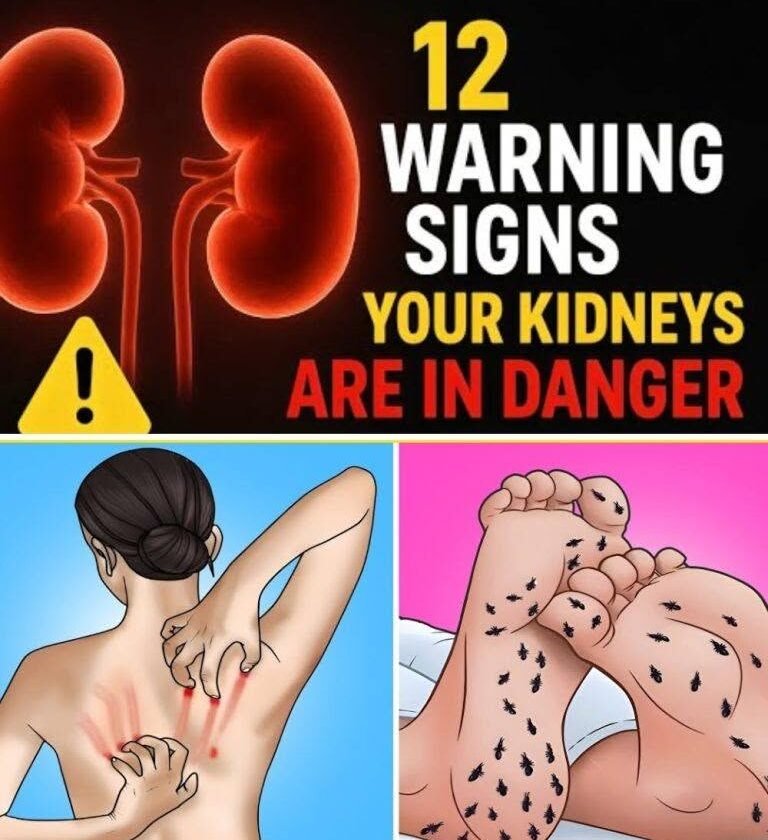
🚨 7 Possible Signs of Kidney Problems
Kidney disease can be surprisingly quiet. Many people have no symptoms in the early stages, which is why blood and urine tests are important for people at increased risk.
Possible warning signs include:
- Swelling in the feet, ankles, or around the eyes — impaired kidney function can cause the body to retain excess fluid.
- Changes in urination — noticeably more or less urine, increased nighttime urination, or difficulty urinating can warrant evaluation.
- Foamy or persistently bubbly urine — can sometimes indicate excess protein in the urine.
- Blood in the urine — pink, red, or cola-colored urine should be medically assessed.
- Persistent fatigue or weakness — advanced kidney disease can contribute to anemia and buildup of waste products.
- Itching, nausea, or poor appetite — these can occur with more advanced kidney dysfunction.
- Shortness of breath or difficulty concentrating — can occur when kidney disease becomes significant, particularly if fluid accumulates or anemia develops.
🩺 Don’t rely on symptoms alone
These signs aren’t specific to kidney disease. Heart, liver, urinary-tract, medication, and other conditions can cause similar symptoms.
If you’re at increased risk because of diabetes, high blood pressure, cardiovascular disease, or a family history of kidney disease, ask your healthcare professional about kidney screening. Common tests include eGFR (from a blood test) and urine albumin testing.
🚑 Seek urgent care when necessary
Sudden severe shortness of breath, confusion, chest pain, very little or no urine, or rapidly worsening swelling can require urgent medical attention.
Bottom line: Your kidneys don’t literally “cry for help,” and there isn’t a reliable symptom checklist for detecting kidney disease early. Testing is often the only way to catch kidney problems before they become advanced.