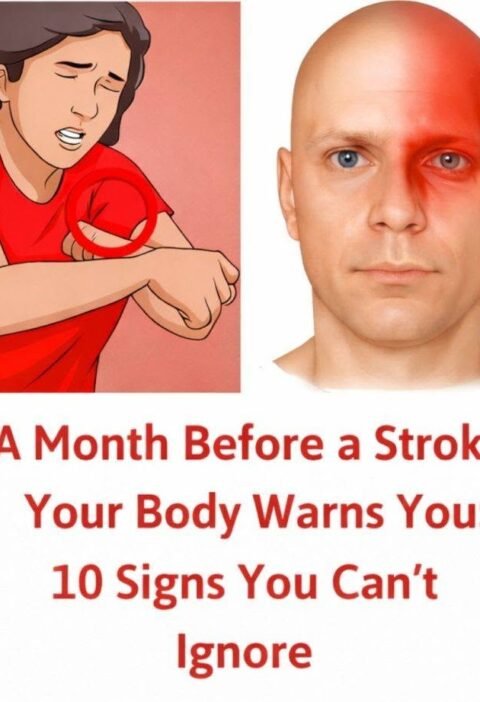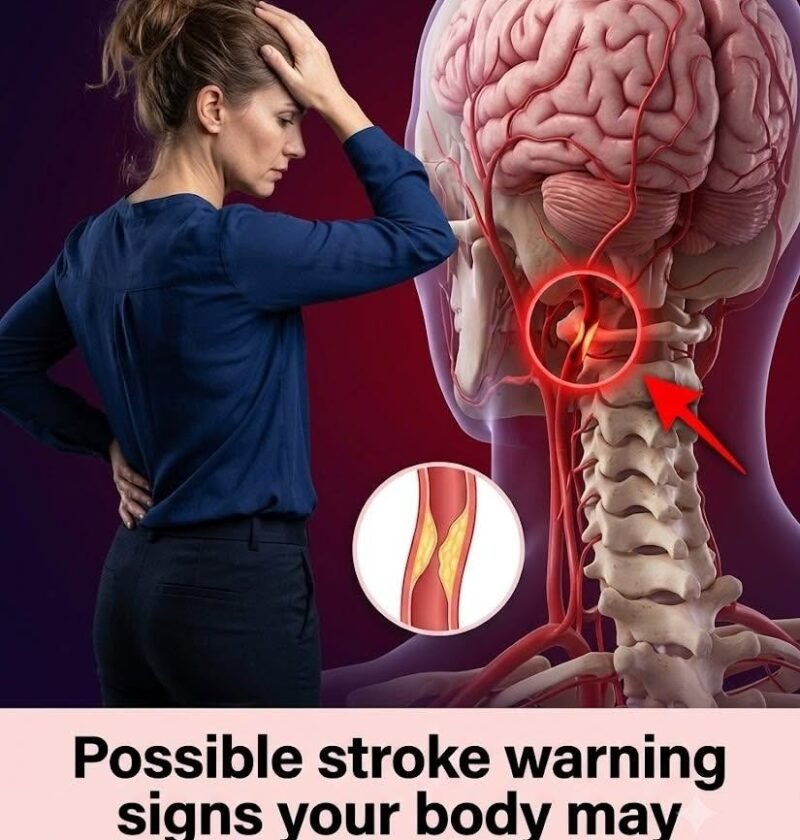
Recognizing the early warning signs of a stroke and acting immediately is critical. Because a stroke cuts off vital blood supply to parts of the brain, every minute counts—prompt medical intervention can prevent permanent brain damage or save a life.
The most universally recognized acronym for stroke detection is FAST, but strokes can manifest in several other ways as well. Here are 10 early warning signs of a stroke everyone should know:
1. Sudden Facial Droop (The ‘F’ in FAST)
A sudden loss of muscle control on one side of the face can occur when brain cells controlling facial movements are deprived of blood.
-
What to look for: Ask the person to smile. Does one side of the face droop, or does it feel uneven, numb, or heavy?
2. Sudden Arm Weakness or Numbness (The ‘A’ in FAST)
Motor pathways running from the brain down the spinal cord can be disrupted, causing sudden weakness or paralysis.
-
What to look for: Ask the person to raise both arms. Do they drift downward, or is one arm unable to stay up? Sudden clumsiness or dropping objects is also a key indicator.
3. Slurred Speech or Difficulty Speaking (The ‘S’ in FAST)
When the brain’s language centers are affected, a person may lose the ability to articulate words clearly or comprehend what is being said.
-
What to look for: Ask the person to repeat a simple sentence (like “The sky is blue”). Listen for slurred words, strange phrasing, or complete inability to speak.
4. Sudden Confusion or Trouble Understanding Speech
Beyond slurring, a stroke can impair cognitive processing regarding language.
-
What to look for: The person may look bewildered, struggle to find words, answer questions inappropriately, or seem completely unable to understand basic instructions.
5. Sudden Trouble Seeing in One or Both Eyes
If the stroke affects the occipital lobe or visual pathways in the brain, visual disturbances can occur instantly.
-
What to look for: Sudden blurred vision, double vision, shadowing, or a sudden loss of vision in one or both eyes.
6. Sudden Trouble Walking, Dizziness, or Loss of Balance
A stroke targeting the cerebellum (the brain’s balance and coordination center) can disrupt physical equilibrium.
-
What to look for: Sudden stumbling, unsteadiness, vertigo, severe dizziness, or a sudden feeling of being pulled to one side while trying to walk.
7. Sudden Severe Headache with No Known Cause
While headaches are common, a very specific type of headache can signal a hemorrhagic stroke (bleeding in the brain).
-
What to look for: A sudden, intensely sharp headache often described by survivors as the “worst headache of my life,” sometimes accompanied by vomiting, confusion, or a brief loss of consciousness.
8. Sudden Numbness or Tingling on One Side of the Body
Sensory processing centers in the brain can misfire, leading to localized sensory loss.
-
What to look for: Sudden numbness, a “pins and needles” sensation, or a total loss of feeling strictly confined to one side of the face, arm, or leg.
9. Sudden Weakness or Heaviness in a Leg
Similar to arm weakness, a localized ischemic event can selectively impair lower-limb function.
-
What to look for: A sudden inability to lift the foot, a heavy dragging sensation in one leg, or buckling of the knee when standing.
10. Sudden Memory Loss or Disorientation
If regions responsible for short-term memory or spatial awareness are impacted, a person may become disoriented regarding time and place.
-
What to look for: Suddenly not knowing where they are, what day it is, or failing to recognize familiar surroundings or people.
CRITICAL EMERGENCY ACTION:If you or someone nearby exhibits any of these signs—even if the symptoms fluctuate or disappear after a few minutes (which may indicate a Transient Ischemic Attack, or TIA)—call emergency services immediately. Note the exact time the symptoms first appeared, as this information is vital for emergency medical teams when determining treatment options.
Are you looking into stroke signs out of personal precaution, or is there a specific symptom you’d like to understand better?