How to Get Rid of Milia: Those Annoying “Fat Cysts”
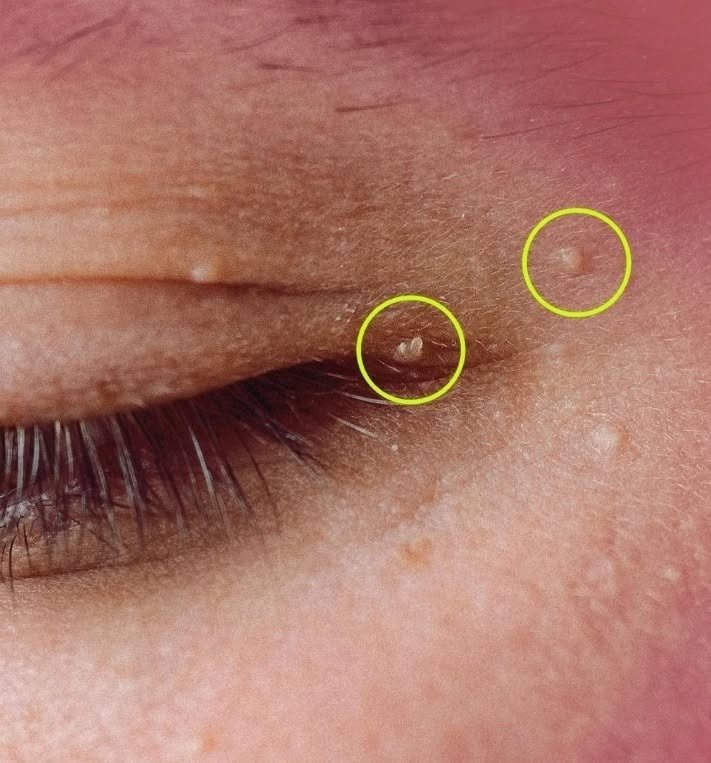
First, a correction: milia aren’t fat cysts. They’re tiny, harmless cysts containing keratin, a protein naturally found in the skin. They’re especially common around the eyes, cheeks, nose, and forehead.
What you can do
- Don’t squeeze or pop them. Milia don’t have the opening that ordinary pimples do, so squeezing can cause inflammation, infection, or scarring.
- Use gentle skincare. Wash with a mild cleanser and avoid harsh scrubs.
- Try a retinoid if appropriate. Topical retinoids may help prevent and clear some milia, but they can irritate the skin and aren’t suitable for everyone.
- Wear sunscreen. Regular sun protection helps limit skin damage that can contribute to some forms of milia.
- Have them professionally removed. A dermatologist can safely extract individual milia using sterile instruments, often with minimal downtime.
🚫 Avoid DIY “removal”
Don’t puncture milia with a needle or try to scrape them away, particularly around the eyes. Home extraction can lead to infection, scarring, and skin injury.
Lemon juice, vinegar, baking soda, toothpaste, and other harsh household ingredients also aren’t safe or proven treatments.
When should you get a bump checked?
If a supposed milium is painful, rapidly changing, bleeding, inflamed, or doesn’t resemble the typical tiny white bump, have it examined. Other skin conditions can look similar.
Bottom line: Milia are usually harmless and don’t need treatment. If you want them removed quickly, professional extraction is safer than trying to pop or puncture them yourself.