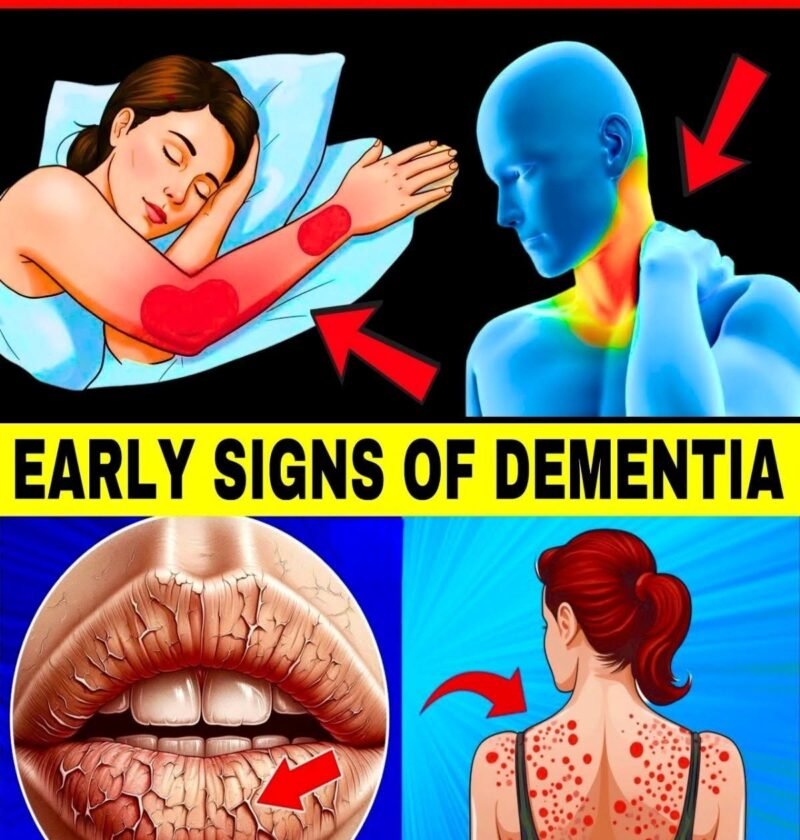
10 Early Warning Signs Recognized by Neurologists
-
Memory loss that disrupts daily life: Forgetting recently learned information, important dates, or asking the same questions repeatedly, rather than occasionally forgetting a name and remembering it later.
-
Difficulty planning or solving problems: Trouble following a familiar recipe, tracking monthly bills, or concentrating on tasks that involve numbers and multi-step planning.
-
Trouble completing familiar tasks: Getting confused about the rules of a favorite game, struggling to drive to a well-known location, or forgetting how to operate everyday appliances.
-
Confusion with time or place: Losing track of dates, seasons, or the passage of time, or forgetting where they are and how they got there.
-
Visual and spatial perception changes: Difficulty judging distance, reading printed text, or distinguishing contrast and color—not caused by eye conditions like cataracts.
-
New problems with words in speaking or writing: Stopping mid-conversation with no idea how to continue, repeating stories, or calling everyday objects by the wrong name (e.g., calling a watch a “hand-clock”).
-
Misplacing things and losing the ability to retrace steps: Putting items in unusual places (like keys in the freezer) and being unable to backtrack to find them—sometimes accusing others of stealing.
-
Decreased or poor judgment: Uncharacteristic decisions with money (such as falling for obvious scams or giving away large sums) or paying noticeably less attention to personal grooming.
-
Withdrawal from work or social activities: Stepping back from hobbies, social gatherings, or projects because following conversations or keeping up feels overwhelming.
-
Changes in mood and personality: Becoming unusually suspicious, depressed, fearful, anxious, or easily upset when out of a familiar routine.
Normal Aging vs. Early Dementia
-
Normal aging: Forgetting which word to use occasionally, missing a monthly payment once, or needing help setting up a new phone.
-
Concerning pattern: Multiple signs appearing together, worsening over months, and noticed consistently by family members or close friends.