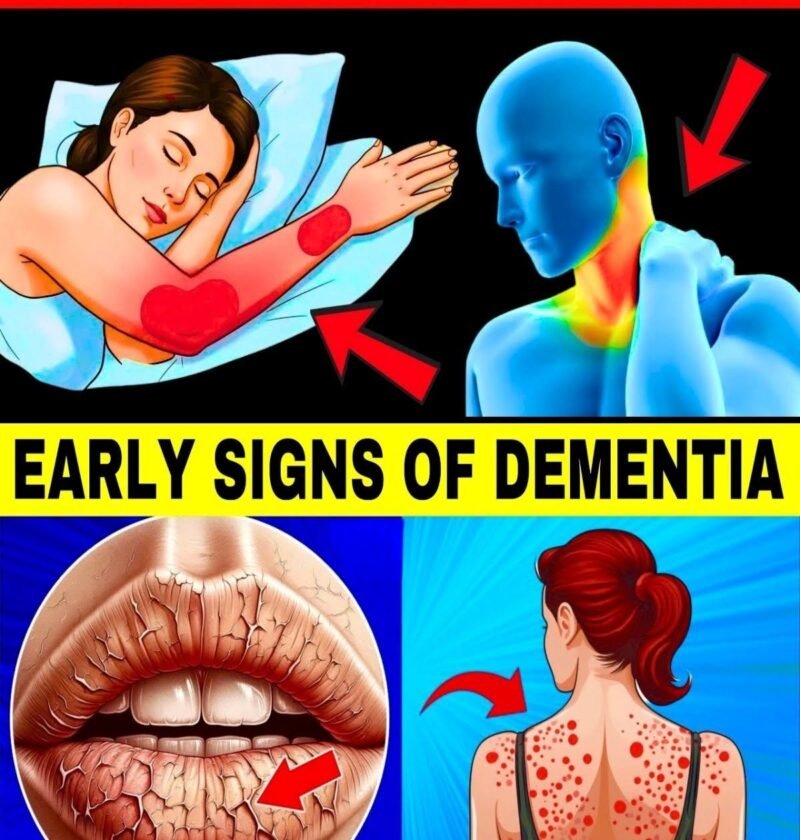
Articles warning about the “10 early signs of dementia” are everywhere online. While the headlines use dramatic punctuation to capture attention, the actual list of symptoms is rooted in real neurological medicine.
Distinguishing normal, occasional forgetfulness from true cognitive decline involves recognizing specific, persistent changes in behavior and memory. The ten most widely recognized early warning signs of dementia, along with how they differ from normal aging, are detailed below.
1. Memory Loss That Disrupts Daily Life
-
The Sign: Forgetting recently learned information, important dates, or events, and asking for the same information over and over again.
-
Normal Aging: Occasionally forgetting names, appointments, or why you walked into a room, but remembering them later.
2. Challenges in Planning or Solving Problems
-
The Sign: Struggling to follow a familiar recipe, keep track of monthly bills, or concentrate on tasks that used to be easy. Making errors with numbers or financial management.
-
Normal Aging: Making an occasional mistake when balancing a checkbook or managing household finances.
3. Difficulty Completing Familiar Tasks
-
The Sign: Trouble driving to a familiar location, managing a budget at work, or remembering the rules of a favorite game.
-
Normal Aging: Occasionally needing help to set up the microwave, program the TV remote, or use a new smartphone.
4. Confusion with Time or Place
-
The Sign: Losing track of dates, seasons, and the passage of time. Forgetting where you are or how you got there.
-
Normal Aging: Briefly getting confused about what day of the week it is, but figuring it out shortly after.
5. Trouble Understanding Visual Images and Spatial Relations
-
The Sign: Difficulty reading, judging distance, or determining color or contrast, which can cause problems with driving or balance.
-
Normal Aging: Vision changes strictly related to cataracts, aging eyes, or needing new glasses.
6. New Problems with Words in Speaking or Writing
-
The Sign: Stopping midway through a conversation with no idea how to continue, struggling to find the right vocabulary, or calling things by the wrong names (e.g., calling a watch a “hand-clock”).
-
Normal Aging: Occasionally struggling to find the exact right word to use.
7. Misplacing Things and Losing the Ability to Retrace Steps
-
The Sign: Putting items in unusual places (e.g., putting car keys in the refrigerator or a wallet in the pantry) and accusing others of stealing them because they cannot find them.
-
Normal Aging: Misplacing keys or glasses temporarily, but being able to retrace your steps to find them.
8. Decreased or Poor Judgment
-
The Sign: Experiencing changes in decision-making, such as giving large amounts of money away to telemarketers or showing poor grooming and hygiene habits.
-
Normal Aging: Making a questionable or poor decision once in a while, like putting off fixing a leaky roof.
9. Withdrawal from Work or Social Activities
-
The Sign: Pulling away from hobbies, social projects, sports, or favorite social gatherings because it has become hard to keep up with what is happening.
-
Normal Aging: Feeling occasionally weary of work, family obligations, or social socializing.
10. Changes in Mood and Personality
-
The Sign: Becoming easily confused, suspicious, depressed, fearful, or anxious. Getting upset easily at home, with friends, or when out of one’s comfort zone.
-
Normal Aging: Developing very specific routines and becoming irritable if that routine is disrupted.
The Takeaway: When to See a Doctor
It is completely normal to experience occasional brain fog, fatigue, or memory slips as you age. However, if these 10 signs are persistent, worsening over time, and beginning to interfere with daily independence, it is important to schedule a medical evaluation.
Many conditions that mimic dementia—such as severe vitamin deficiencies, thyroid disorders, sleep apnea, chronic infections, or adverse medication side effects—are fully treatable and reversible.
Are you or a loved one currently noticing any of these specific memory or behavioral shifts