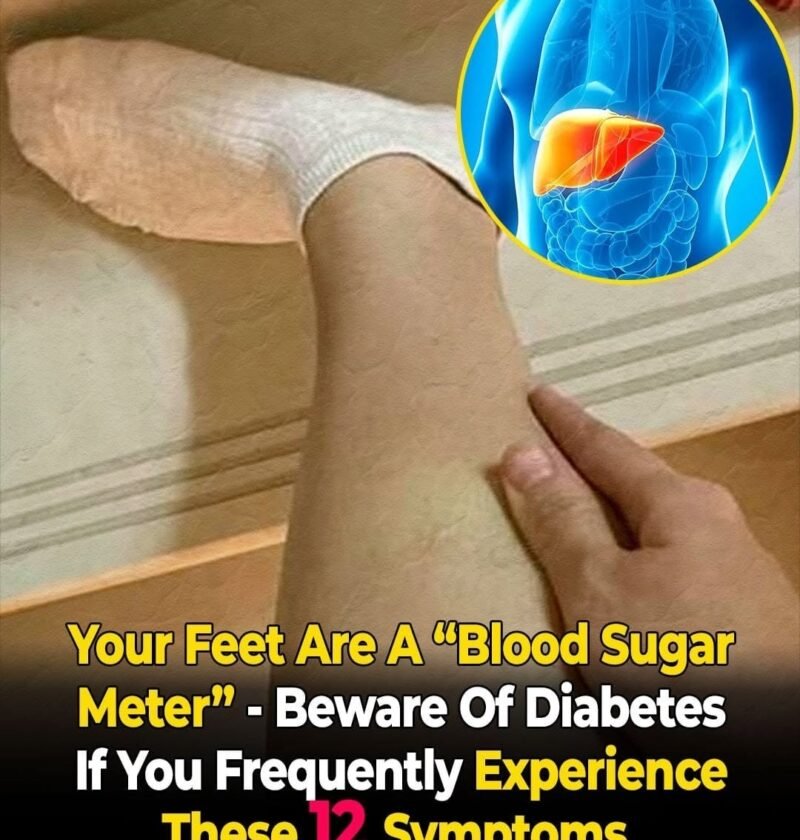
While the human foot is not a literal digital blood sugar meter, it can act as an early warning system. Chronically high blood sugar levels gradually damage both the peripheral nerves (neuropathy) and the small blood vessels (vascular disease), which frequently manifests through symptoms in the feet.
Key physical warning signs to watch out for include:
1. Neu Nerve & Sensation Changes
-
Numbness or Loss of Feeling: A reduced ability to feel pain, pressure, or hot and cold temperatures. This is dangerous because minor injuries can go unnoticed.
-
Tingling or “Pins and Needles”: A persistent prickling sensation, often caused by early nerve irritation.
-
Burning Pain or Aches: Sharp, burning discomfort that frequently flares up or worsens at night.
2. Circulation & Blood Flow Indicators
-
Cold Feet: Feet that consistently feel much colder than the rest of your body due to restricted blood flow (peripheral artery disease).
-
Skin Color Changes: Feet that appear pale, reddish, bluish, or darker/discolored due to poor oxygenation.
-
Hair Loss on Toes and Feet: A noticeable thinning or complete disappearance of hair on the toes and lower legs, signaling a lack of adequate blood circulation.
3. Skin & Structural Signs
-
Slow-Healing Wounds and Sores: Cuts, blisters, or minor scratches that take an unusually long time to heal because restricted blood flow starves the tissue of healing nutrients.
-
Severely Dry, Cracked Skin: Nerve damage can impair the body’s ability to control oil and sweat production in the feet, leading to deep cracks (especially on the heels) that act as entry points for bacteria.
-
Frequent or Severe Calluses: High pressure areas and altered biomechanics can cause hard skin buildups to form much faster than normal.
-
Fungal Infections (Athlete’s Foot or Thickened Nails): High blood sugar levels feed fungi and yeast, making stubborn fungal nail infections (yellow, brittle, or thick nails) and itchy skin between the toes much more common.
-
Unexplained Swelling (Edema): Fluid retention in the feet and ankles, which can be tied to circulation problems or systemic issues.
-
Changes in Foot Shape (Charcot Foot): In more advanced, severe cases of nerve damage, bones in the foot and ankle can weaken and fracture, altering the shape or alignment of the foot.
What You Should Do
If you frequently experience several of these symptoms—particularly numbness, slow-healing sores, or persistent skin changes—it is vital to consult a healthcare provider or a podiatrist. A simple blood glucose test (like an HbA1c test) can quickly determine if your blood sugar is out of range.
Have you noticed any of these specific foot symptoms lately, or are you looking into this for routine health awareness?