-
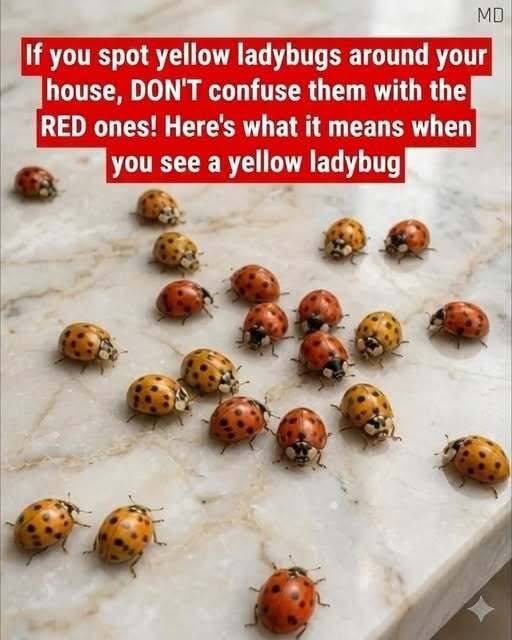
Why Yellow Ladybugs Appear in Gardens and What They Can Tell You About Your PlantsSeeing a yellow or orange ladybug in your garden can be surprising, but color alone doesn’t tell you whether the insect is beneficial or harmful. Ladybugs, also called ladybirds or lady beetles, occur in many colors and patterns.
1. Yellow ladybugs can be perfectly normal
Some lady beetle species are naturally yellow, orange, red, or even black. Their markings and colors vary considerably, so a yellow ladybug isn’t necessarily a sign that something is wrong with your garden.
2. They may be telling you that aphids are nearby
Many lady beetles are important predators of aphids, scale insects, mealybugs, and other small plant pests. Finding adult ladybugs—or their larvae—can therefore be a positive sign that your garden has a natural pest-control system at work.
3. Don’t mistake ladybug larvae for harmful insects
Ladybug larvae look very different from adults. They can be dark, elongated, and covered with small spines, which sometimes causes gardeners to kill them accidentally.
If you see these unusual-looking larvae feeding on aphids, leave them alone.
4. Check your plants for aphids
If ladybugs are gathering around a particular plant, inspect the undersides of leaves and young stems. Look for clusters of tiny insects, sticky residue called honeydew, curled leaves, or ants moving around the plant.
These signs can indicate an aphid infestation.
5. Avoid spraying beneficial insects unnecessarily
Broad-spectrum insecticides can kill lady beetles along with the pests you’re trying to control. When possible, identify the pest first and use the least disruptive control method.
6. Not every yellow-and-black beetle is a ladybug
Several unrelated beetles can resemble ladybugs. Some are plant-feeding species rather than beneficial predators. Identification by appearance, location, and behavior is more reliable than color alone.
What should you do?
If the insects are feeding on aphids or other pests, they’re generally worth protecting. Provide flowering plants and avoid unnecessary pesticide use so beneficial insects have food and shelter.
Bottom line: A yellow ladybug isn’t automatically a warning that your plants are unhealthy. In many cases, it may actually be a useful garden visitor helping control pests naturally.