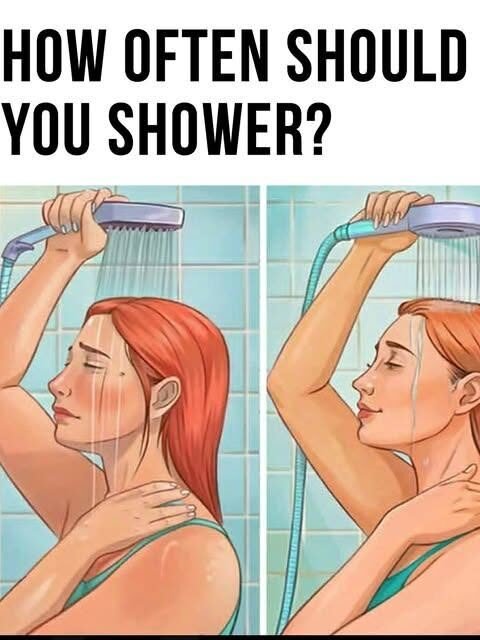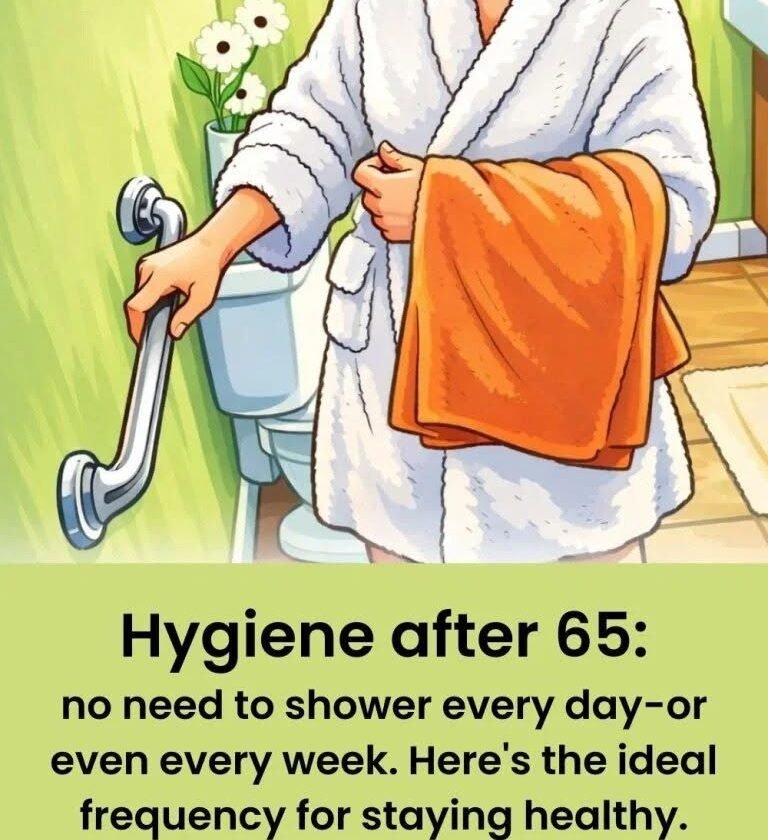
While a daily shower is a deeply ingrained hygiene habit for many, dermatologists and geriatric experts note that continuing this routine daily after age 65 can often cause more harm than good.
As the body ages, the biological composition of the skin changes significantly. Shifting away from a rigid daily shower routine is often recommended for several key reasons:
1. Stripping of Natural Oils (Secretion Loss)
-
What happens: After 65, sebaceous (oil-producing) glands slow down considerably, and the skin thins as collagen production decreases.
-
The impact: Daily washing—especially with hot water and traditional soaps—strips away the minimal natural lipids and sebum the skin manages to produce. Without these oils, the skin barrier breaks down, leading to persistent dryness, flakiness, tightness, and severe itching.
2. Increased Risk of Skin Infections
-
What happens: Severely dry and irritated skin develops microscopic cracks.
-
The impact: These tiny fissures compromise the skin’s protective barrier, creating an easy entry point for bacteria and fungi. What starts as simple winter itch or age-related dryness can turn into painful inflammation or secondary skin infections.
3. Worsening of Chronic Skin Conditions
-
What happens: Conditions like eczema, contact dermatitis, or general senile pruritus (chronic itching in older adults) become much more common with age.
-
The impact: Frequent exposure to water and surfactants (cleansers) robs the skin of its moisture-retaining capacity, frequently triggering or worsening flare-ups of chronic skin irritation.
A Healthier Routine for Aging Skin
Dermatologists and organizations like the National Institute on Aging generally recommend adjusting the hygiene routine to protect skin health without sacrificing cleanliness:
-
Reduce Frequency: For many healthy adults over 65, taking a full-body shower or bath 2 to 3 times a week is plenty.
-
Targeted “Spot” Washing: On days without a full shower, use a washcloth to clean essential areas (face, underarms, groin, feet, and skin folds) where sweat and bacteria accumulate.
-
Modify Water and Time: Keep showers short (under 5–10 minutes) and use lukewarm water rather than hot water, which aggressively strips moisture.
-
Moisturize Immediately: Apply a fragrance-free cream or ointment immediately after patting dry, while the skin is still slightly damp, to lock in hydration.
Note: These are general guidelines for healthy older adults. Individuals with specific medical conditions, high daily activity or heavy sweating, or incontinence may require adjustments to their hygiene routine.
Would you like some recommendations on choosing the right gentle cleansers and moisturizers for mature skin?