What Location Tells You
| Region | Key Organs | Common Causes |
| Upper Right (1) | Liver, gallbladder, bile ducts | Gallstones, , hepatitis |
| Upper Center / Epigastric (2) | Stomach, pancreas, duodenum | Acid reflux (GERD), gastritis, peptic ulcers, pancreatitis |
| Upper Left (3) | Stomach, spleen, pancreas | Gastritis, splenic enlargement, trapped gas in the splenic flexure |
| Middle / Umbilical (5) | Small intestine, appendix (early) | Gastroenteritis, early appendicitis, bowel obstruction |
| Lower Right / Iliac (7) | Appendix, cecum, right ovary/tube | Appendicitis, ovarian cyst, ectopic pregnancy, inguinal hernia |
| Lower Center / Hypogastric (8) | Bladder, uterus, sigmoid colon | Urinary tract infection (UTI), menstrual cramps, pelvic inflammatory disease |
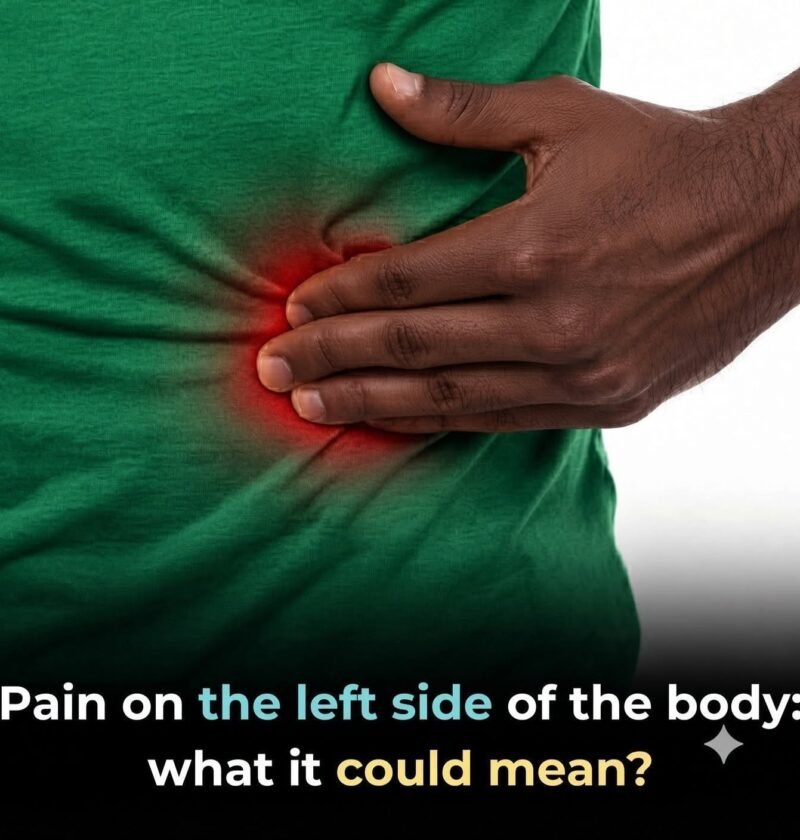
| Lower Left / Iliac (9) | Descending/sigmoid colon, left ovary | , constipation, IBS |
| Sides / Lumbar (4 & 6) | Kidneys, ureters, ascending/descending colon | Kidney stones, kidney infection () |
Sensation Clues
-
Burning or gnawing: Often points to stomach acid irritation, such as gastritis, acid reflux, or a peptic ulcer—especially if it worsens on an empty stomach or improves briefly after eating.
-
Sharp, stabbing, or cramping waves: Typical of hollow organs trying to push past a blockage, such as gallstones, kidney stones, or severe trapped gas.
-
Dull ache that sharpens and moves: Classic for appendicitis, which frequently starts as a vague ache around the navel (Region 5) before migrating and intensifying in the lower right abdomen (Region 7) over 12–24 hours.
-
Pain radiating to the back or shoulder: Upper abdominal pain radiating straight through to the upper back can indicate pancreatitis or a posterior ulcer; upper right pain radiating to the right shoulder blade suggests gallbladder involvement.
Red Flag Signs You Shouldn’t Ignore
-
Sudden, severe, or tearing pain: Pain that hits maximum intensity within seconds or minutes rather than building gradually.
-
Rigid, board-like abdomen: A belly that feels hard to the touch or hurts severely when pressure is released ().
-
Signs of internal bleeding: Vomiting blood, vomit resembling dark coffee grounds, or black, tarry, foul-smelling stools ().
-
Persistent vomiting or inability to keep fluids down: Especially if accompanied by an inability to pass gas or have a bowel movement, which can indicate a bowel obstruction.
-
High fever and chills: Signals an active infection such as appendicitis, diverticulitis, or a severe kidney/gallbladder infection.
-
Yellowing of the skin or eyes: Jaundice combined with upper right pain points to a blocked bile duct or liver condition.
-
Dizziness, fainting, or shortness of breath: Potential signs of internal blood loss, severe dehydration, or a cardiac event masquerading as upper stomach pain.
-
Pain during pregnancy or possible pregnancy: Lower abdominal pain with vaginal bleeding or dizziness requires urgent evaluation to rule out ectopic pregnancy.