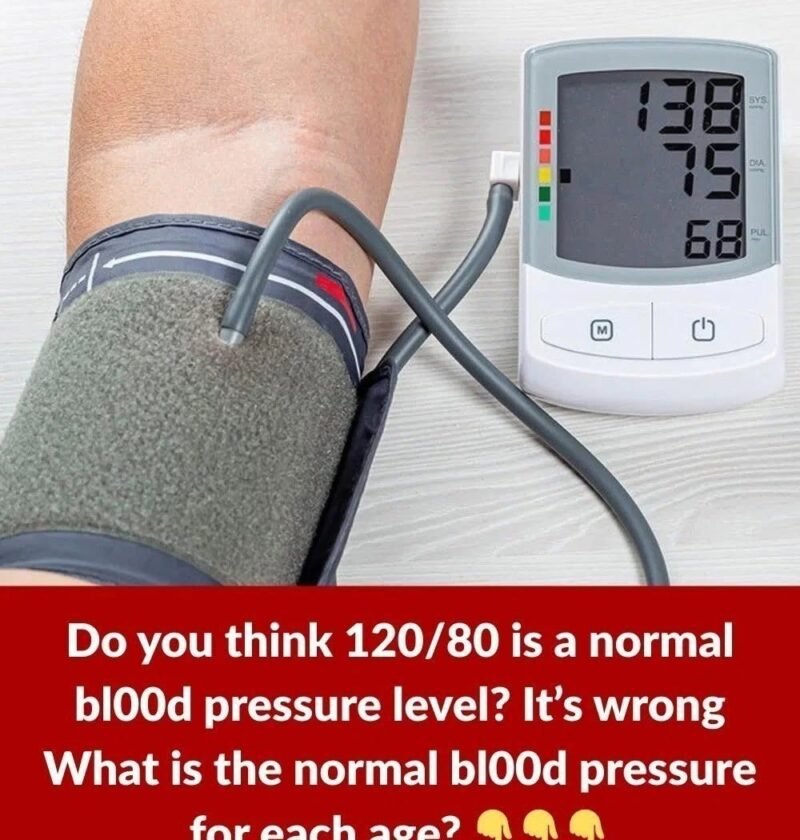
Unlike heart rate, which changes significantly depending on your age group, medical guidelines state that the ideal, normal blood pressure target for all adults (ages 18 and older) remains the same.
While it is true that average blood pressure tends to creep up as people age (due to natural stiffening of the arteries), a higher average does not mean a higher reading is healthy or acceptable.
Adult Blood Pressure Categories (Ages 18+)
According to major medical organizations like the American Heart Association (AHA):
| Category | Systolic (Top Number) | Diastolic (Bottom Number) | |
| Normal | Less than 120 | and | Less than 80 |
| Elevated | 120–129 | and | Less than 80 |
| Stage 1 Hypertension | 130–139 | or | 80–89 |
| Stage 2 Hypertension | 140 or higher | or | 90 or higher |
Blood Pressure in Children and Teens (Under 18)
Unlike adults, children’s normal blood pressure ranges depend heavily on age, height, and sex. Because pediatric ranges scale as a child grows, doctors use specialized percentile charts rather than a single fixed number. Generally, normal ranges span:
-
Newborns: Systolic 60–90 / Diastolic 20–60
-
Infants & Toddlers (1–3 years): Systolic 95–105 / Diastolic 53–66
-
School-Age Children (5–10 years): Systolic 97–112 / Diastolic 57–71
-
Adolescents (10–19 years): Systolic 112–128 / Diastolic 66–80
Why Do Readings Tend to Rise with Age?
As people move into middle age and older adulthood, structural changes happen naturally within the vascular system. Arteries gradually lose some of their elasticity and become stiffer, which causes the systolic (top) number to rise.
Even though older adults frequently register averages closer to 130 or 140 mmHg, clinicians emphasize that keeping lifestyle habits healthy (like regular movement, low sodium intake, and managing stress) helps prevent high blood pressure from overburdening the heart and kidneys over time.
Are you looking at a specific home blood pressure reading that you’d like to check?